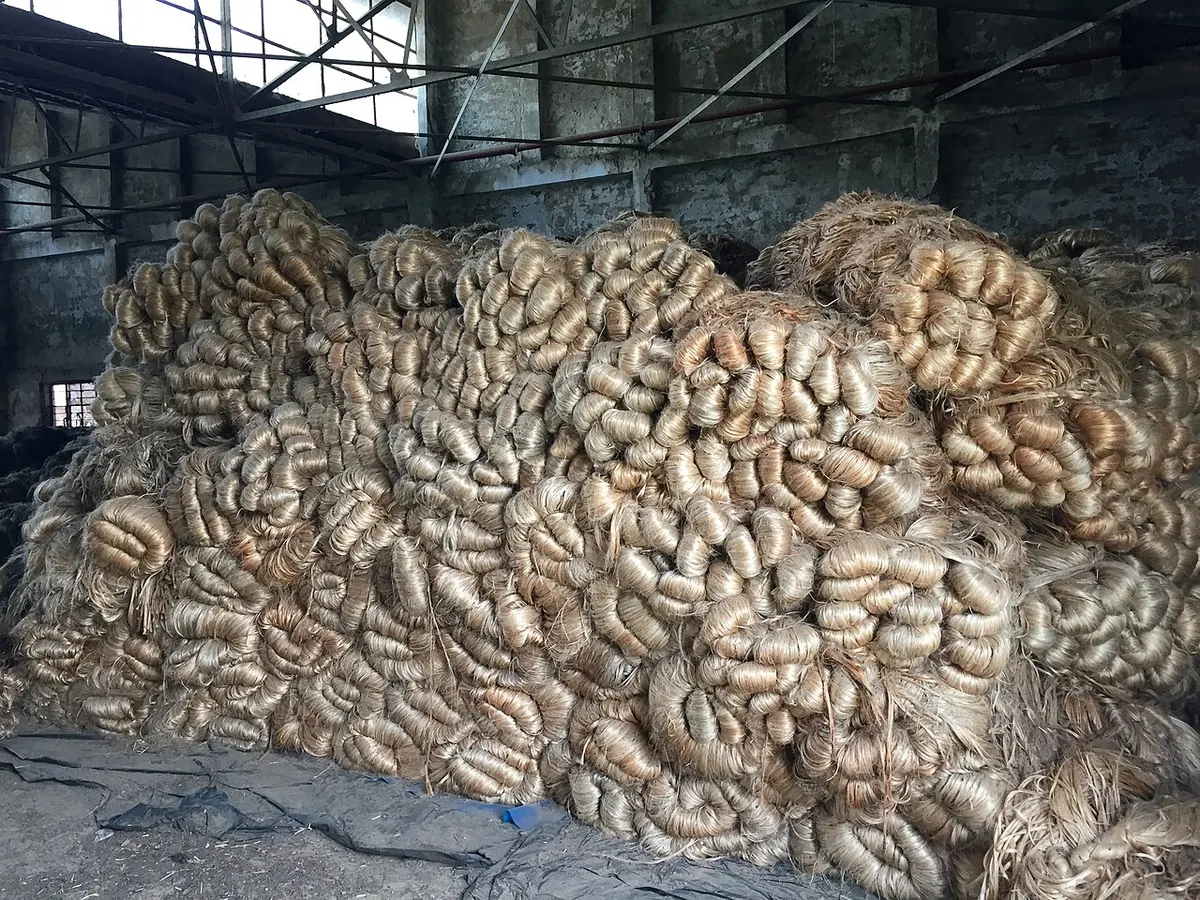
Buying jute fibre bales in Bangladesh
A jute fibre bale is raw jute pressed for transport and sale. The Jute Act 2017 separates kutcha bales, made for use inside Bangladesh, from pucca bales pressed on power-driven presses for export. A jute fibre bale exporter in Bangladesh needs a Department of Jute licence, as does the owner of every press that makes the bales.
Roptan sources baled jute from licensed exporters and press owners. We agree the bale type, grade and weight basis in writing, open bales against a sealed sample, check bale tickets and weights, test moisture at loading, and confirm the current export terms before quoting. You deal with Roptan only.
How to brief a jute fibre bale exporter in Bangladesh
- Bale type
- Kutcha for delivery within Bangladesh or pucca for export, stated on the contract with the bale weight range you accept.
- Weight basis
- Weighbridge weight in approved units. The Jute (Licensing and Enforcement) Rules 1964 bar arbitrary deductions under traditional names such as dhalta and kabari, so list any allowance in the contract.
- Quantity
- Bales or tonnes rather than maunds, since sources convert the maund differently. Trade statistics use the 180 kg bale as their unit.
- Grade per bale
- One grade per bale, shown on the bale ticket, with a sealed sample of each grade so tickets can be checked against it.
- Moisture and drying
- Your limit and test. The Rules bar jute wetter than its natural dry state; fibre baled damp can suffer heart damage, moisture left in the core.
- Storage age
- The crop year and how long the bales have been held. In 2026 traders reported long-held stocks in Bangladesh starting to spoil and rot.
Laws, licences and inspections for jute bales
- Jute Act 2017
- Defines kutcha and pucca presses and bales; under section 5 every jute trader and press owner needs a Department of Jute licence, renewed each financial year.
- Jute (Licensing and Enforcement) Rules 1964
- List seven licence types, including baler, press owner and raw jute exporter. A raw jute exporter must hold a raw jute export registration certificate.
- Department of Jute inspection
- Its stated duties include inspecting the sorting, baling, quality and moisture of export jute in exporters' godowns, and the premises of kutcha and pucca balers.
- HS 5303.10
- Baled long jute, raw or retted, is usually declared under HS 5303.10. Your customs broker confirms the line for each shipment.
Lead times and delivery
There is no standard lead time for baled jute. A lot waits for fibre of the grade, then for sorting, pressing and, for export, approval of the quantity. A seller's licences lapse at the end of each financial year, so check they cover your shipment date. Roptan confirms the dates and the minimum in the quote.
Inside Bangladesh we deliver kutcha or pucca bales to your mill with a bale list giving each bale's number, grade and weight, and the inspection result. Short weight, unagreed deductions, wet bales or a grade below the ticket are raised with Roptan, and we settle them with the seller.
Buying jute fibre bales for export
Raw jute export has needed prior approval from the Ministry of Commerce since September 2025; Roptan confirms the current terms before quoting. Indian mills now receive bales by sea: since June 2025 India admits jute from Bangladesh only through the Nhava Sheva seaport, not the Benapole, Hili and Bhomra land ports used before.
Questions buyers ask
What is the difference between a kutcha and a pucca bale?
Under the Jute Act 2017, a kutcha bale is up to 150 kg and for use inside Bangladesh; a pucca bale comes off a power-driven press for export and is ordinarily up to 182.25 kg. Trade statistics count pucca bales at 180 kg. Tell us where the bales are going.
Can a seller deduct weight for moisture or dust?
Only as your contract allows. The Jute (Licensing and Enforcement) Rules 1964 require trade in approved weights and bar arbitrary deductions under traditional names such as dhalta, kabari and namuna. Agree a moisture limit and test instead, so any adjustment follows a measured result.
Who inspects bales before export?
The Department of Jute's duties include inspecting the sorting, baling, quality and moisture of export jute in exporters' godowns. That is a regulator's check, not one against your contract, so we also open bales against your sealed sample and test moisture at loading.
Why does the bale ticket matter?
The ticket carries the grade. Under the Rules, a ticket showing a better grade than the jute inside is overgrading, and the reverse is undergrading. We open bales to compare the jute with ticket and sample, so each bale is paid for at the grade it holds.
How soon will I hear back about raw jute?
Within 48 hours of a complete requirement, with a price and a delivery date. A requirement is complete when it has the quantity, where it is needed and by when.
Who do I deal with?
With Roptan, when Roptan manages the order: we buy from the verified seller and deliver to you. With the supplier directly, when you post on the requirement board and choose a quote yourself.