Managed sourcing from Bangladesh, for export and for buyers at home
Get it sourced

Yarn, jute and textiles · Raw jute

Jute cuttings exporter in Bangladesh

Need jute cuttings for paper, rope or basic textiles? Tell Roptan the code, the source fibre, the moisture and trash you accept and the tonnage. We source them from a licensed jute cuttings exporter in Bangladesh and check each lot against a sealed sample.

  • Verified sellers
  • Checked before it ships
  • Delivered by Roptan

Get jute cuttings sourced

Prefer to deal with suppliers yourself? Post it on the requirement board

Buying jute cuttings in Bangladesh

Jute cuttings are the hard, barky root ends cut off long jute when it is graded with the roots removed. Tossa cuttings trade as BTCA and BTCB, white as BWCA and BWCB, and mesta under its own marks. Trade reports from 2019 to 2025 name buyers in India, Pakistan and Nepal for Tossa cuttings from a jute cuttings exporter in Bangladesh.

Roptan sources cuttings from licensed sellers. We keep each code and fibre apart, have bales opened against a sealed sample, check moisture and sand at loading, and check the current export position with the seller before we quote. You deal with Roptan only.
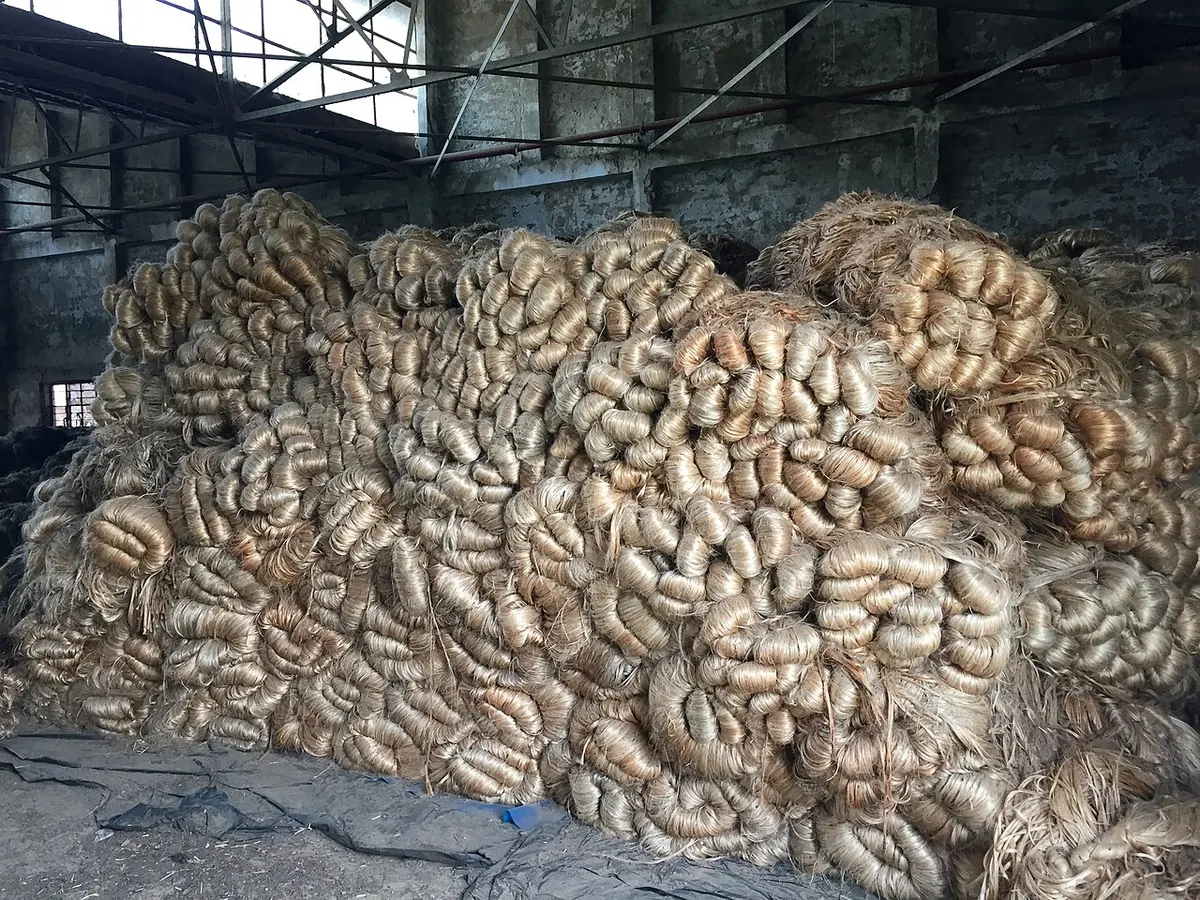
Kinds of jute cuttings

Tossa cuttings, BTCA and BTCB

Root ends cut from Tossa during grading, offered under two codes. Ask the seller what separates BTCA from BTCB, and seal a sample of each.

White cuttings, BWCA and BWCB

Root ends from white jute under the BW prefix. Choose them for white jute cuttings only; keep them apart from Tossa cuttings unless you agree a blend.

Mesta cuttings

Root ends of mesta, quoted in trade reports under marks such as SMC and OMC that are not publicly defined. Get the seller's written meaning first.

Root ends left on the fibre

Uncut BTR and BWR ship as long jute with the root ends attached. Choose them if you want long fibre and roots together and will cut them yourself.

How to brief a jute cuttings exporter in Bangladesh

Code and fibre
BTCA, BTCB, BWCA, BWCB or the mesta mark, with the fibre named on the invoice and a sealed sample, so one fibre's cuttings are not mixed with another's.
Bark and hard ends
Cuttings are the hard, barky leftover of the bundle, so judge the bark on the sample and set what your process can take.
Moisture and sand
Your own limit and test. The Jute (Licensing and Enforcement) Rules 1964 bar trading jute wetter than its natural dry state or mixed with water or sand; hold cuttings to that.
End use
Paper, rope or basic textiles. Say which, so the seller offers a code that suits it and removes the foreign matter your process cannot take.
Weight basis
Weighbridge weight per lot and an agreed adjustment for moisture above your limit, so wet bales are not paid for as fibre.
Lots and samples
Tonnes per lot and per shipment, how many bales are opened for sampling, and who keeps the sealed samples.

Codes, licences and customs line for jute cuttings

Cuttings codes
The Rules 1964 leave grades to government approval and contain no schedule, so attach the seller's written description of each cuttings code to the contract.
Department of Jute licences
Jute traders need a licence under section 5 of the Jute Act 2017, and raw jute exporters a separate one. Ask which licence the seller holds for cuttings.
HS 5303.90
Cuttings are usually declared as tow and waste of jute under HS 5303.90, a line that also holds sliver and other processed jute. Your customs broker confirms it.

What moves the price of jute cuttings

  • How much long jute leaves the country uncut: trade reports linked uncut exports to a cuttings shortage in Bangladesh in 2019.
  • The raw jute market: in 2026 trade reports described volatile prices, with stockists holding fibre back.
  • The fibre: Tossa, white and mesta cuttings trade under separate codes and are quoted separately.
  • Moisture, sand and trash, which add weight you would otherwise pay for at the cuttings price.

Lead times and delivery

There is no standard lead time for cuttings. They come off long jute as it is graded, so supply follows the grading season and how much fibre leaves uncut. A lot also waits for sorting, your inspection and, for export, confirmation of its position under the export rules. Roptan confirms the dates and the minimum in the quote.

Inside Bangladesh we deliver cuttings to your mill with a bale list by code and weight and the inspection result. Wet bales, sand or one code mixed into another are raised with Roptan, and we take them up with the seller.

Buying jute cuttings for export

Raw jute export has needed prior approval from the Ministry of Commerce since September 2025; in January 2026 machine-processed sliver-cut jute was reportedly excluded. We found no public ruling on cuttings, so the supplier and Roptan confirm the current position before quoting. Your customs broker confirms the HS line.

What we check for this order

  • Licence for the goodsThe seller's Department of Jute licence, current and in the quoting name, and which licence it holds for trading cuttings.
  • Export position confirmedWhether, and on what terms, cuttings may ship now under the Ministry of Commerce rule, confirmed with the supplier before we quote.
  • Code against the sampleBales opened and compared with the sealed sample for the code, bark and hard ends, and no other fibre mixed in.
  • Moisture and sandBales checked at loading for excess moisture, added water and sand, which the Department of Jute treats as wet-jute malpractice.

Questions buyers ask

What is the difference between BTCA and BTCB?

Both are codes for Tossa cuttings, and BWCA and BWCB are the white jute equivalents. The Jute Rules contain no schedule that separates A from B, so ask the seller to describe each code in writing and seal a sample of it. Buy on the sample, not the letter.

Why are cuttings sometimes hard to find?

Because they depend on long jute being cut at home. When it is exported uncut, the root ends go with it: a 2019 trade report linked uncut BTR and BWR exports to an acute local shortage of cuttings, and exports of uncut BTR and BWR were banned from January 2018 to June 2019.

Do the raw jute export rules cover cuttings?

We found no public ruling either way. Raw jute export has needed Ministry of Commerce approval since September 2025, and the rule names raw jute. The supplier and Roptan confirm the current position before quoting, so you know before you commit.

Should I buy cuttings or uncut long jute?

Buy uncut BTR or BWR if you want long fibre and will cut the roots yourself. Buy cuttings if you want only the hard root ends, which one textile source lists for bags, rope, paper products and basic textiles. If you are unsure, we quote both on their own samples.

How soon will I hear back about raw jute?

Within 48 hours of a complete requirement, with a price and a delivery date. A requirement is complete when it has the quantity, where it is needed and by when.

Who do I deal with?

With Roptan, when Roptan manages the order: we buy from the verified seller and deliver to you. With the supplier directly, when you post on the requirement board and choose a quote yourself.

Other raw jute products

Each product type has its own page as it is published; until then its card opens the category form.

All raw jute