Managed sourcing from Bangladesh, for export and for buyers at home
Get it sourced

Yarn, jute and textiles · Raw jute

Bangla White (BWR) exporter in Bangladesh

Buying white jute sold as BWR? Tell Roptan the root, colour and moisture limits, the tonnage and the shipment month. We source it from a licensed Bangla White (BWR) exporter in Bangladesh, open bales against a sealed sample and confirm the export terms.

  • Verified sellers
  • Checked before it ships
  • Delivered by Roptan

Get bangla white (bwr) sourced

Prefer to deal with suppliers yourself? Post it on the requirement board

Buying bangla white (bwr) in Bangladesh

Bangla White Rejection, coded BWR, is long white jute from Corchorus capsularis, traded under the grade the trade calls rejection. It usually ships uncut, with the root ends on. White jute is usually described as brighter in colour than Tossa and, in a comparison of fibre grown at BJRI stations, tested lower in bundle strength. A Bangla White (BWR) exporter in Bangladesh trades it under Department of Jute licences.

Roptan sources BWR from licensed exporters. We put the root, colour and moisture limits in writing, seal a sample, open bales at loading to compare them with it, and confirm the current export terms before quoting. You deal with Roptan only.
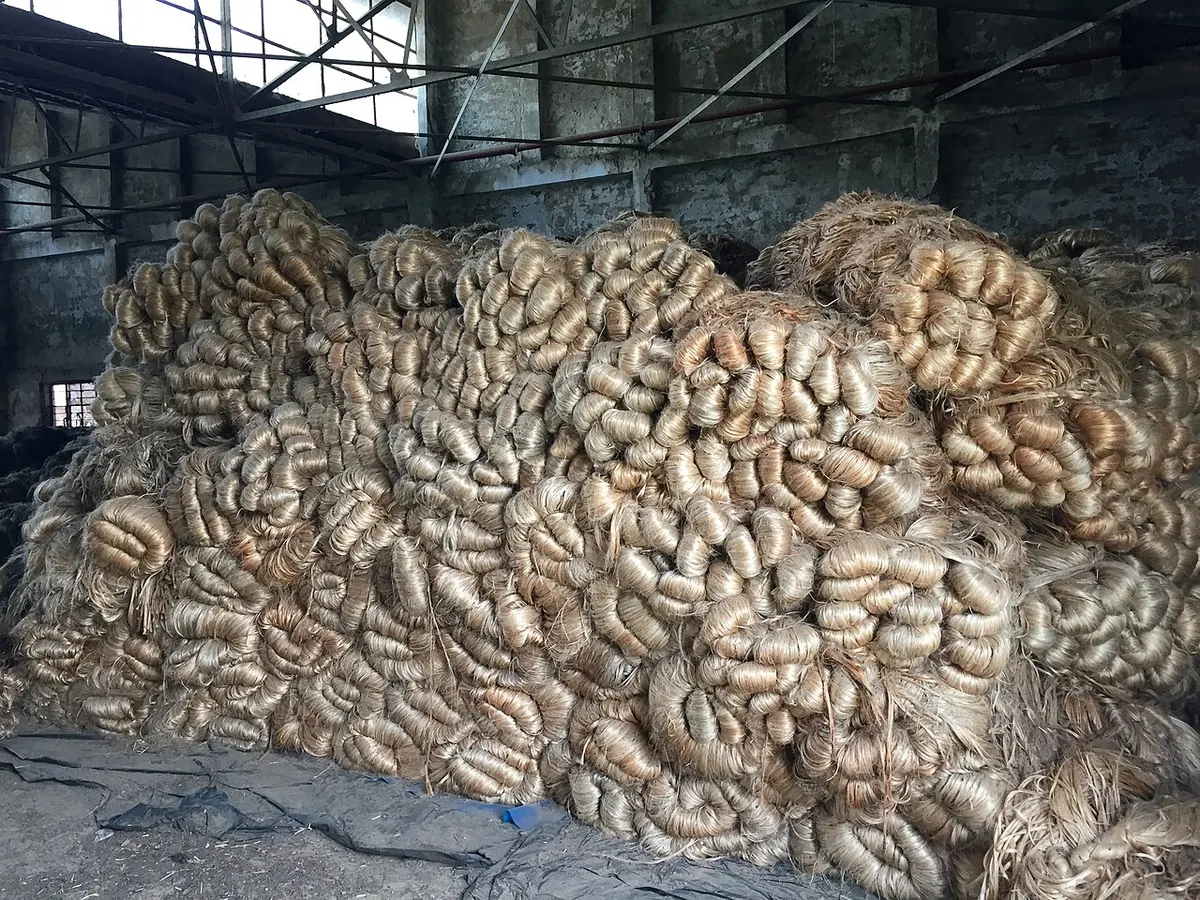
BWR and the white jute grades beside it

Uncut BWR

Long white jute pressed with its root ends attached, the form BWR usually takes. It suits a mill that cuts the roots itself; set how much root a bale may hold.

Lettered white grades

White jute graded after the roots are cut usually trades as BW Special and lettered BW grades. Choose one when you want root-free fibre on arrival.

Early-crop white jute

White jute is sown first, from mid-March in lower-lying districts, and reaches the market before Tossa; in 2026 the first early lots came in June. Choose them when you need fibre before the Tossa harvest.

How to brief a Bangla White (BWR) exporter in Bangladesh

Code and sample
BWR and any letter mark after it, with a sealed sample both sides keep. The Jute Rules contain no grade schedule, so the sample settles disputes.
Root content
The share of root and hard barky end you accept, and how any excess is deducted. Rooty fibre usually lowers spinning efficiency.
Colour
The shade you accept, judged in the same light against a sealed white jute sample, not a Tossa one, since white jute is usually brighter.
Fineness
Ask for a test. One BJRI study measured white jute at 37.02 to 37.74 microns by air-flow and found fineness unrelated to commercial grade.
Moisture and sand
State a limit and test. Under the Jute (Licensing and Enforcement) Rules 1964, jute may not be traded wetter than its natural dry state or with water or sand added.
Crop year
White jute comes to market before Tossa; in 2026 the main harvest was expected in the second half of July. Name the crop year: that July, floods forced an early harvest in some areas.

Grading rules, licences and tests for BWR

Jute (Licensing and Enforcement) Rules 1964
Grading follows the trade grades the government approves from time to time. A bale ticket showing a better grade than the jute is overgrading; a worse one, undergrading.
Department of Jute licences
A trader's licence under section 5 of the Jute Act 2017, which runs to the end of the financial year, and a separate raw jute exporter licence.
Fineness and bundle strength tests
Air-flow fineness and bundle strength are the measures published comparisons use for white and Tossa jute. White usually tests lower in strength; ask for both on your lot.

What moves the price of BWR

  • Quality: in 2026 trade reports said high-quality white jute was scarce and traded at clear premiums over standard grades.
  • Care in harvest, retting, washing, drying and sorting, which the same reports linked to better prices.
  • Root content and defects, which usually cut the yarn a tonne of fibre gives.
  • The crop: early floods in July 2026 forced an early harvest and cut yields in some areas.
  • Ministry of Commerce approval for raw jute exports, granted as set quantities for named firms since September 2025.

Lead times and delivery

Roptan does not quote a standard lead time for BWR. White jute is sown from mid-March, cut about four months later and retted for about 20 days, so most new-crop fibre follows the July harvest; in 2026 the first early lots came in June. Export shipments also wait for approval of their quantity. Roptan confirms the dates and the minimum in the quote.

Inside Bangladesh we deliver BWR to your spinning mill with a list of bales by number, grade and weight, and the inspection result. Bales are weighed at delivery against the list. Short weight, wet bales or fibre below the sample are raised with Roptan, and we resolve them with the seller.

Buying bangla white (bwr) for export

Raw jute export has needed prior approval from the Ministry of Commerce since September 2025; Roptan confirms the current terms before quoting. Uncut BWR has been restricted before: trade reports say a 2018 ban on exports of uncut BTR and BWR was lifted in June 2019. Raw or retted jute is usually declared under HS 5303.10; your customs broker confirms it.

What we check for this order

  • Licences in dateThe seller's trader and raw jute exporter licences from the Department of Jute, current and in the quoting name.
  • Sample matchBales opened at random and compared with the sealed sample for colour, root content and the defects in the contract.
  • Moisture, water and sandBales checked at loading for excess moisture and added water or sand, the wet-jute fault the Department of Jute polices.
  • Ticket against the baleEach bale ticket compared with the jute inside, since a ticket showing a better grade than the bale holds is overgrading.

Questions buyers ask

Is BWR the same as BW grade jute?

No. BW is the prefix for every Bangla White grade. White jute graded with the roots cut usually trades as BW Special and lettered BW grades, while BWR is usually sold uncut. Each has its own sample and price, so name the one you want.

Does the variety of white jute matter?

It can. A comparison of fibre grown at BJRI stations found the white variety CVL-1 better for spinning quality than BJC-2197. Bale tickets show the grade, so test fineness and strength on a sample from your lot rather than relying on a name.

When does new-crop white jute arrive?

Before Tossa. In 2026 the first early-crop lots came in June, the main harvest was expected in the second half of July, and July floods forced an early harvest in some areas. Higher white qualities can be gone by November, so book early in the season.

What defects should a BWR contract name?

The trade's usual terms: specky jute, with bark specks from poor washing or uneven retting; croppy jute, with hard black tops; rooty jute, whose root remnants cut spinning efficiency; runners, tangled long strands; and hunka, hard barky fibre. List those you refuse.

How soon will I hear back about raw jute?

Within 48 hours of a complete requirement, with a price and a delivery date. A requirement is complete when it has the quantity, where it is needed and by when.

Who do I deal with?

With Roptan, when Roptan manages the order: we buy from the verified seller and deliver to you. With the supplier directly, when you post on the requirement board and choose a quote yourself.

Other raw jute products

Each product type has its own page as it is published; until then its card opens the category form.

All raw jute