Buying laminated fabric in Bangladesh
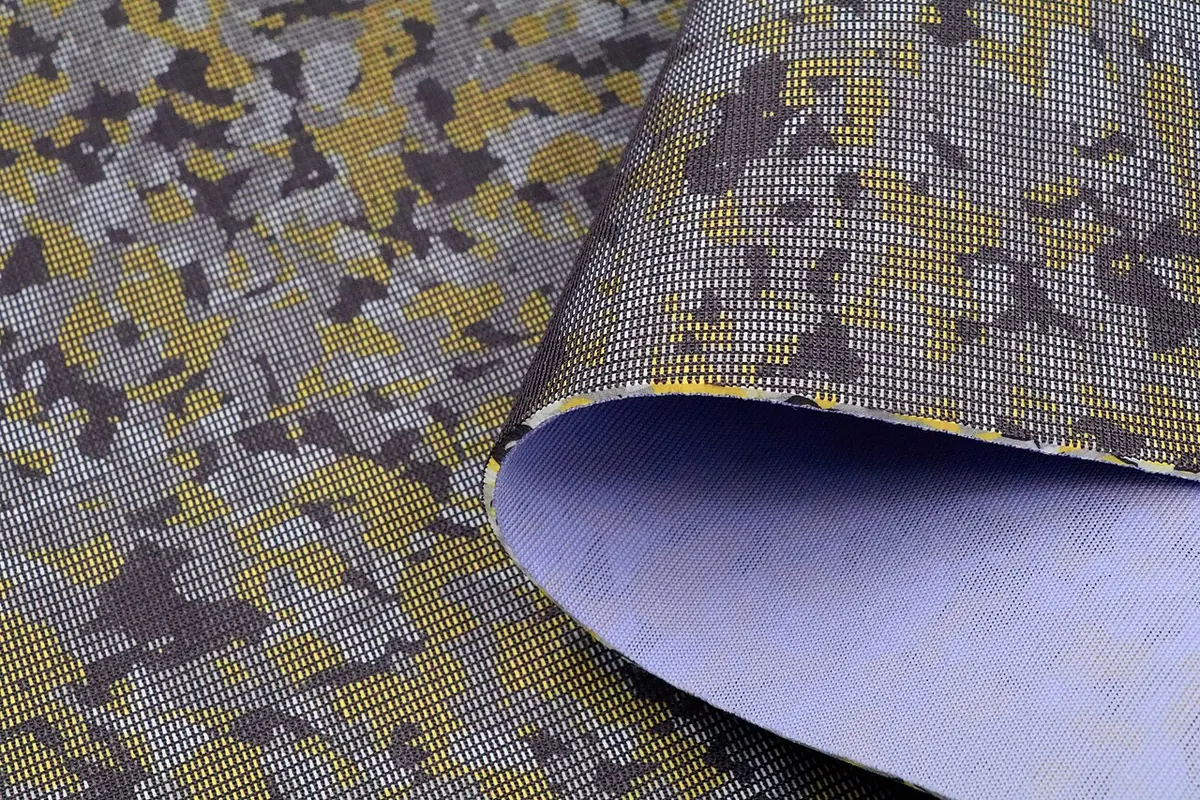
A laminated fabric joins cloth to a film, a membrane or a second cloth by heat and pressure, often with an adhesive, so the layers form a single ply. It is bought where cloth must keep water out and often let vapour through: rainwear, outerwear, bags, covers and soft goods. Makers of these goods buy it by the roll.
Laminates usually fail where the layers part. So Roptan asks every laminated fabric manufacturer in Bangladesh it approaches for the same figures, hydrostatic head, vapour resistance and peel strength, before and after the washing your product will see. We compare offers on those figures and check the lot report.
How to brief a laminated fabric manufacturer in Bangladesh
- Build
- Face cloth fibre, construction and weight; film or membrane type; how many layers. Ask whether a film is bonded or a polymer spread on, since both get called laminated.
- Water resistance
- Hydrostatic head in millimetres of water, with the method: ISO 811 for textiles, ISO 1420 for coated fabric. Seller head figures are orientation, so set your own minimum.
- Breathability
- Name the method: ISO 11092 gives water-vapour resistance on a sweating guarded hotplate, cup methods give grams per square metre per 24 hours. Quotes must use the same one.
- Bond strength
- ISO 2411, written for coated fabric adhesion, can serve as the peel method. State the strip width, test speed and whether the figure is before or after washing.
- Damp heat
- PU films and PU adhesives can hydrolyse in humid air. Ask for an ageing or wash-cycle result with delamination checked afterwards, not a grade name.
Tests and rules for laminated fabric
- EN ISO 24232
- Protective clothing against rain: requirements and tests for materials and finished garments, in force since November 2025. The garment spray test is EN ISO 24231.
- ISO 11092 and ISO 15496
- ISO 11092 measures thermal and water-vapour resistance of fabrics and multilayer assemblies but sets no comfort limits. ISO 15496 is a simpler quality control test, not for classing a fabric against comfort values.
- ISO 4920, ISO 14419 and ISO 6330
- Spray rating for surface wetting, which does not predict rain penetration; oil repellency grade; and the domestic washing procedure used before each retest.
- REACH Annex XVII entry 51
- Its phthalate limit, 0.1% of the plasticised material, covers PU films, coatings and adhesives as well as PVC. The open-air exemption does not help a garment worn against skin.
Lead times and delivery
Time depends on whether the face cloth and the film or membrane are held locally or imported, on new colours, and on test rounds: peel and water results after washing take lab days. A stock build in a running colour is quicker. Roptan confirms the dates and the minimum in the quote.
Roptan delivers rolls anywhere in Bangladesh, wrapped against damp and labelled with lot, colour, width and length, with the packing list, the lab report on your lot and a VAT invoice (Mushak 6.3). A garment or bag exporter can pay for the laminate by back-to-back letter of credit.
Questions buyers ask
What is the difference between laminated and coated fabric?
A coated fabric has a polymer spread on the cloth; a laminated fabric has a film or membrane bonded to it. Customs usually puts both under heading 5903, whether or not the film shows in cross section, but cloth fully covered on both sides goes to Chapter 39. So ask the seller which process and build.
Is a higher hydrostatic head always better?
Not on its own. Some garments made from high-head fabric have leaked at zips, hoods and seams, so the garment matters as much as the cloth. Ask for the fabric head after washing and a spray test on the finished garment to EN ISO 24231.
Do the PFHxA limits apply to laminated rainwear?
Yes, if the water-repellent finish uses that chemistry. REACH entry 79 limits PFHxA in clothing, related accessories and footwear for the public, rain jackets included, from 10 October 2026, and in other consumer textiles from 10 October 2027. Goods placed on the EU market earlier are exempt; construction textiles are excluded.
Why do laminates come apart?
The bond fails, for example after repeated washing or in damp heat, in which PU films and adhesives can hydrolyse. A good bond also decides seam strength. Set the peel method, wash cycles and acceptance figure in the order, and test the bulk lot, not only the approval sample.
How soon will I hear back about coated and technical textiles?
Within 48 hours of a complete requirement, with a price and a delivery date. A requirement is complete when it has the quantity, where it is needed and by when.
Who do I deal with?
With Roptan, when Roptan manages the order: we buy from the verified seller and deliver to you. With the supplier directly, when you post on the requirement board and choose a quote yourself.