Buying knitted beanies in Bangladesh
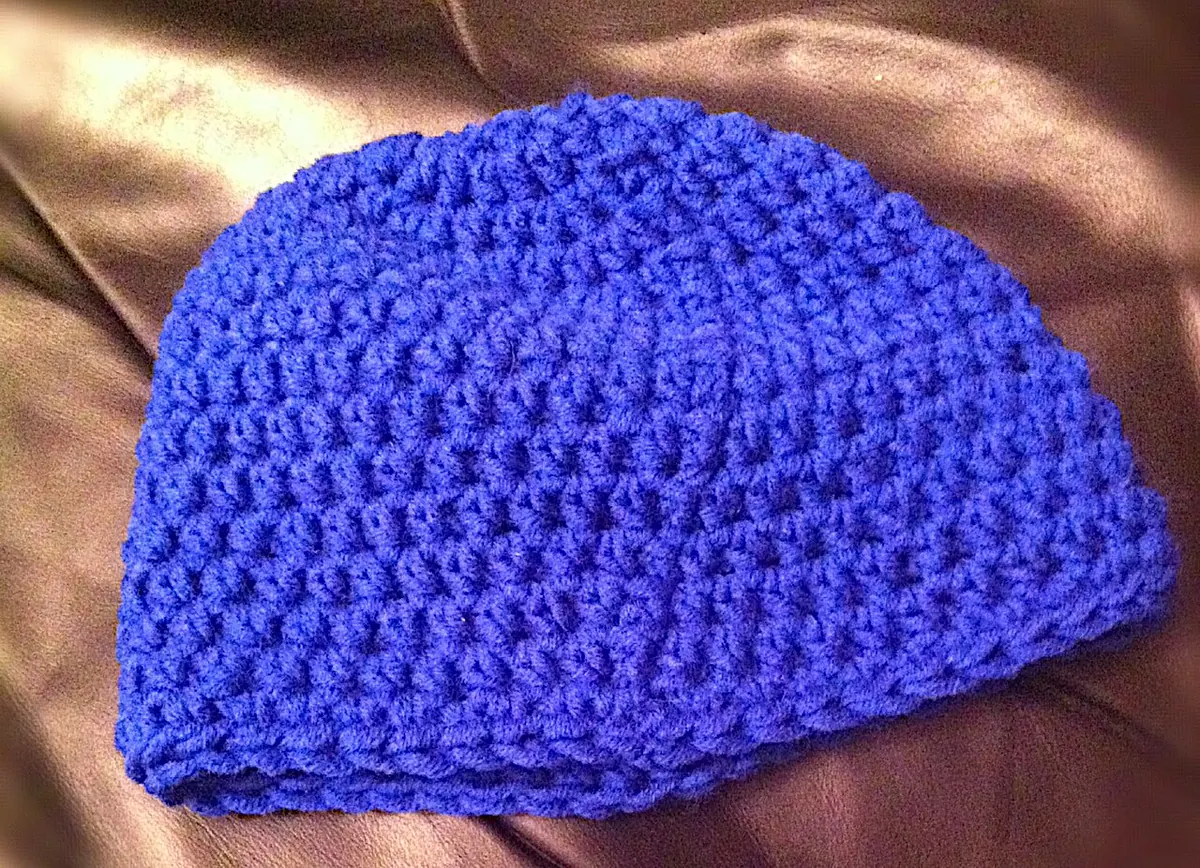
A knitted beanie is a close-fitting knit cap, usually tapered, held on by the stretch of the knitting, with or without a cuff, a pom-pom or ear flaps. Once mostly wool, it is now often acrylic or another synthetic. Write 'knitted' in the order: in parts of North America, 'beanie' can also mean a seamed cloth cap.
Acrylic can pill and wool can felt and shrink, and both faults usually show after wear and washing. Roptan places your order with a verified knitted beanie manufacturer in Bangladesh, writes pilling and shrinkage limits into it, checks a washed sample and inspects the bulk before it ships.
How to brief a knitted beanie manufacturer in Bangladesh
- Fibre content
- Each fibre to the percentage: acrylic, wool, cotton or a blend. It drives the wash instruction and, for the US, which labelling rules apply.
- Gauge, yarn and weight
- Gauge in stitches per inch or centimetre, the yarn and the finished weight in grams; a finer gauge knits smoother. Send a beanie you like so the seller can match all three.
- Knitting route
- Flat-knitted pieces sewn up, a circular-knitted tube, or complete-garment knitting with no seams: the route sets where seams sit and the fit.
- Wool finish
- Wool fibres hook together and felt when agitated, which shrinks the beanie, so ask for a treated yarn or a blend that suits your wash instruction.
- Lining, trims and logo
- Fleece lining weight in grams per square metre, pom-pom material and fixing, and the logo: embroidery on knit usually needs a cutaway stabiliser.
Tests and labels for knitted beanies
- ISO 12945 pilling tests
- Part 1 pilling box, Part 2 modified Martindale, Part 3 random tumble, Part 4 visual assessment. Name the part, the cycles and the grade you accept.
- ISO 5077 wash shrinkage
- Measures dimensional change in washing and drying. Write the wash programme and the shrinkage you accept into the order, above all for wool and wool blends.
- ISO 105-X12 and ISO 105-C06
- Colour fastness to rubbing and to washing. They matter most for bright acrylic shades and for pale cuffs on dark bodies.
- REACH Annex XVII entry 43
- Have dyed acrylic, wool or cotton yarn in an EU beanie tested for amines from azo dyes, limit 30 mg/kg; the entry names hats among its examples.
Lead times and delivery
Western buyers usually place winter headwear orders towards the end of summer, so sample beanies early. As a general garment figure, not one for beanies, a September 2026 press report put orders from Bangladesh at 60 to 95 days from order to fulfilment. A washed sample is checked before bulk knitting. Roptan confirms the dates and the minimum in the quote.
Roptan delivers beanies anywhere in Bangladesh, sorted by design and colour, with a carton list, the inspection report and a Mushak 6.3 VAT invoice. Say whether each beanie needs its own bag and hangtag, and when the stock must be in hand.
Buying knitted beanies for export
Knitted beanies fall under HS heading 6505, which covers knitted headgear; the US schedule gives knitted hats their own lines, and your customs broker confirms the subheading. Roptan quotes FOB Chattogram; the papers are the commercial invoice, packing list and bill of lading, plus the test and inspection reports.
Questions buyers ask
Acrylic or wool: which should we choose?
Acrylic is light and soft with a wool-like feel and serves as a lower-cost alternative to cashmere, but it may pill; low-pilling types exist. Wool felts and shrinks under agitation, so ask for a treated yarn or a blend. Set pilling and shrinkage limits either way.
Do knitted beanies need a US flammability test?
No, for a plain beanie: 16 CFR Part 1610 exempts hats that do not cover the neck, face or shoulders. A balaclava or neck tube does cover them, so it likely falls outside the exemption. Fabrics wholly of acrylic, nylon, polyester or wool are exempt from the testing anyway.
How is a beanie labelled for the US?
A beanie containing wool follows the wool labelling rules, 16 CFR Part 300; others follow the textile rules, 16 CFR Part 303. Both need fibre content and the country of origin. The care labelling rule excludes hats, so a care label is your choice; ISO 3758 sets the international care symbols.
Can you supply children's beanies?
Yes. In the US, a beanie for children 12 and under is a children's product: buttons and plastic or metal trims need a lead report from an accredited third-party lab, with a certificate. For hats with ties, ask the lab which cord rules apply.
How soon will I hear back about caps and hats?
Within 48 hours of a complete requirement, with a price and a delivery date. A requirement is complete when it has the quantity, where it is needed and by when.
Who do I deal with?
With Roptan, when Roptan manages the order: we buy from the verified seller and deliver to you. With the supplier directly, when you post on the requirement board and choose a quote yourself.