Buying headbands in Bangladesh
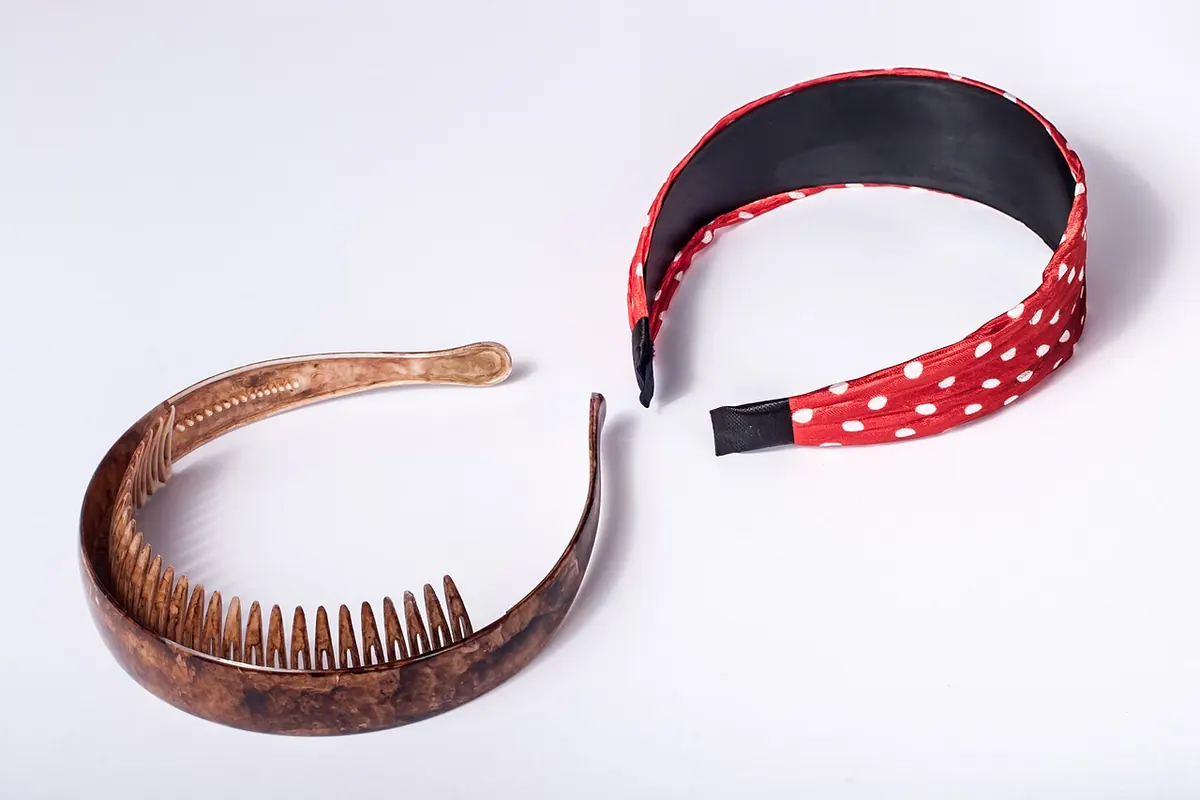
A headband, also called a hairband or sweatband, holds hair back or catches forehead sweat. It is generally a textile loop of elasticised, sometimes absorbent or padded material, or a horseshoe of flexible plastic or metal, sometimes called an Alice band in the UK. In Bangladesh, headbands are made alongside hats, beanies and caps in a mainly export-oriented headwear trade.
A headband specification is mostly stretch, size and skin contact. Roptan matches your band to a verified headband manufacturer in Bangladesh, has stretch measured before and after washing, checks colour and chemical reports for your market and inspects the bulk. You deal with Roptan only.
Details to give a headband manufacturer in Bangladesh
- Elastane share
- Elastane stretches up to five times its length and is usually a small share of a cotton or polyester blend. State the percentage you want.
- Width and circumference
- Band width, and relaxed and stretched circumference, in centimetres. Send a band you like if you have one, and the seller can match it.
- Fabric
- Terry for sweatbands, a knit or woven fabric with elastic for fashion bands, heavy knit for ear warmers, neoprene for swim bands, each with fibre content.
- Elastic tape
- For an elastic insert, give its width and whether it is woven or knitted; elastic tape is tested as a narrow fabric.
- Decoration and hardware
- Embroidery, prints, glued trims, metal clasps, charms or plastic gems: list each, since metal, printed and glued parts bring their own tests.
Tests and rules for headbands
- ISO 20932-1 and ISO 20932-3
- Elasticity of fabrics: Part 1 covers strip and loop tests, so a knitted band can be tested as a loop; Part 3 covers narrow fabrics such as elastic tape. No pass level is set.
- ISO 105-E04, ISO 105-X12 and ISO 105-C06
- Colour fastness to perspiration, rubbing and washing: a band sits on the forehead and in the hair, so write a grade for each into the order.
- ISO 5077 shrinkage
- Terry and knitted bands can shrink and lose stretch in washing. Set a shrinkage limit with the wash programme, and recheck stretch after the same wash.
- REACH entries 43 and 27
- The EU limits amines from azo dyes in dyed textile in prolonged skin contact and nickel release from metal parts. Neither names headbands, so ask the lab whether each applies.
Lead times and delivery
Bulk starts once the washed sample keeps its stretch and size. Headband times depend on the band and the seller, so plan from a general garment figure: a September 2026 press report put orders from Bangladesh at 60 to 95 days from order to fulfilment, so allow slack. Roptan confirms your band's minimum and dates in the quote.
Inside Bangladesh, bands come to your store, gym or warehouse bagged by type and colour; the paperwork is a packing list, inspection report and Mushak 6.3 VAT invoice. Say how many bands go in each bag or on each header card.
Buying headbands for export
Roptan quotes headbands FOB Chattogram, shipping with the commercial invoice, bill of lading, packing list, test reports and inspection report. For the US, 16 CFR Part 303 covers wearing apparel and defines headwear as textile products worn on the head, so plan a label with fibres, origin and the RN or name, and have the buyer's compliance team confirm it.
Questions buyers ask
What stretch and size should we specify?
Start from a band you like and have the seller match it. State the elastane percentage, the width and the relaxed and stretched circumference in centimetres, and have stretch tested to ISO 20932 before and after washing, with your limits written into the order.
Do headbands need a US flammability test?
Ask your buyer or lab. The hat exemption in 16 CFR Part 1610 names hats, not headbands. The fibre exemption covers fabrics made entirely of acrylic, modacrylic, nylon, olefin, polyester or wool, which leaves out bands with elastane, and the plain-surface weight exemption does not cover raised-pile terry.
Which tariff line do headbands go under?
The US schedule lists worn headbands with ponytail holders and similar articles under 6117.80 when knitted and 6217.10 when not. Heading 6507 is for parts of hats, such as the bands sewn inside them, not worn headbands. Your customs broker confirms the line for each band.
Can you make children's headbands with clasps or gems?
Yes, with lab work. A US band made mainly for children aged 12 or younger counts as a children's product: plain dyed textile needs no lead test, but clasps, gems, prints and glued trims need a report and certificate. In the EU, REACH entry 63 limits lead in hair accessories, if the lab counts the band as one.
How soon will I hear back about caps and hats?
Within 48 hours of a complete requirement, with a price and a delivery date. A requirement is complete when it has the quantity, where it is needed and by when.
Who do I deal with?
With Roptan, when Roptan manages the order: we buy from the verified seller and deliver to you. With the supplier directly, when you post on the requirement board and choose a quote yourself.