Buying kitchenware in Bangladesh
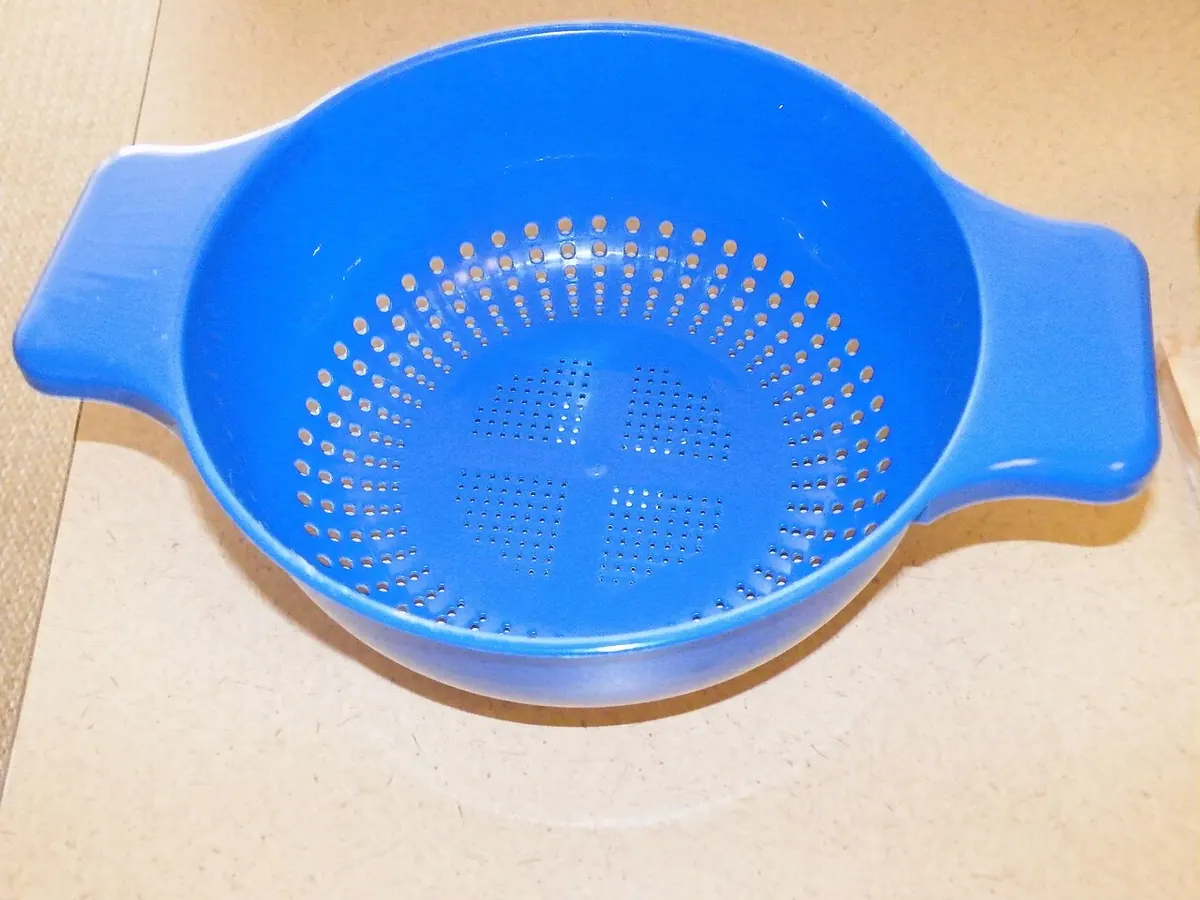
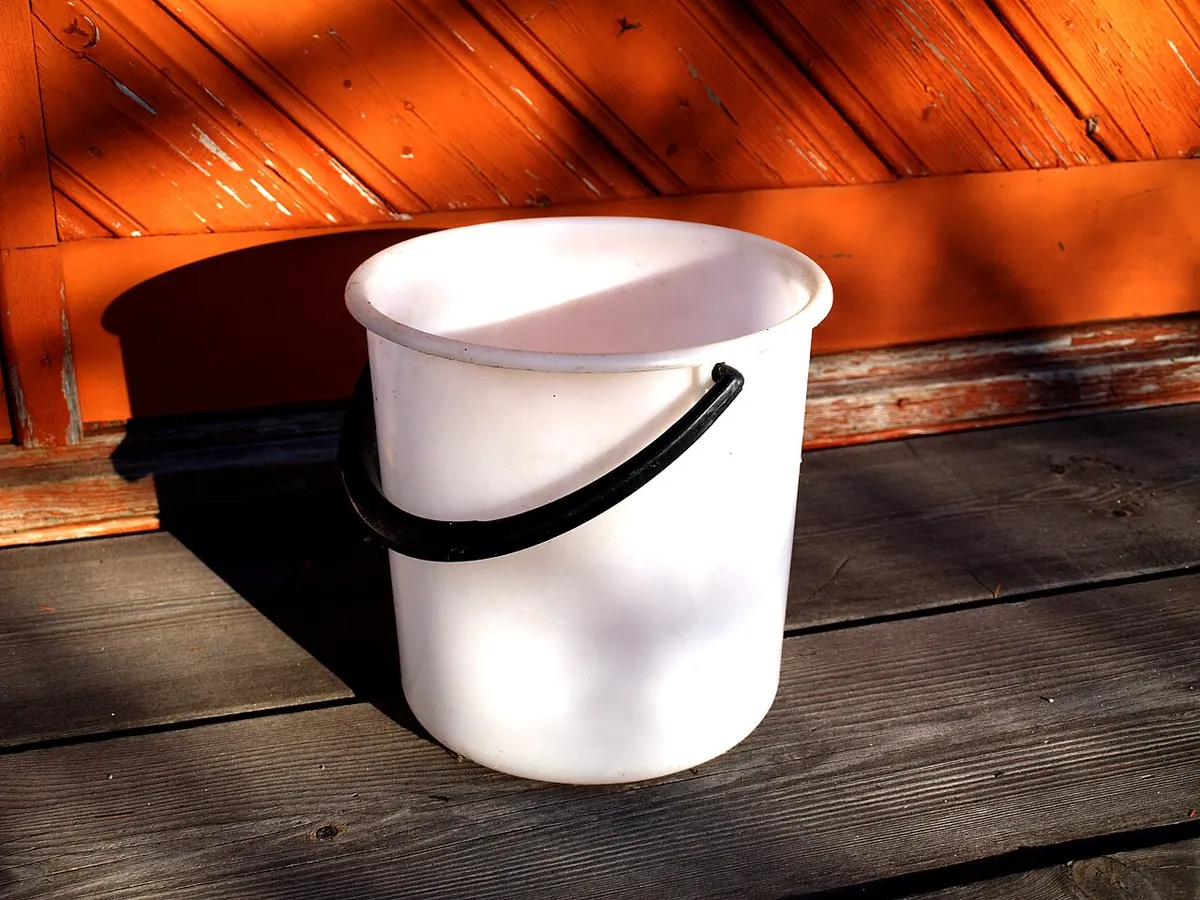
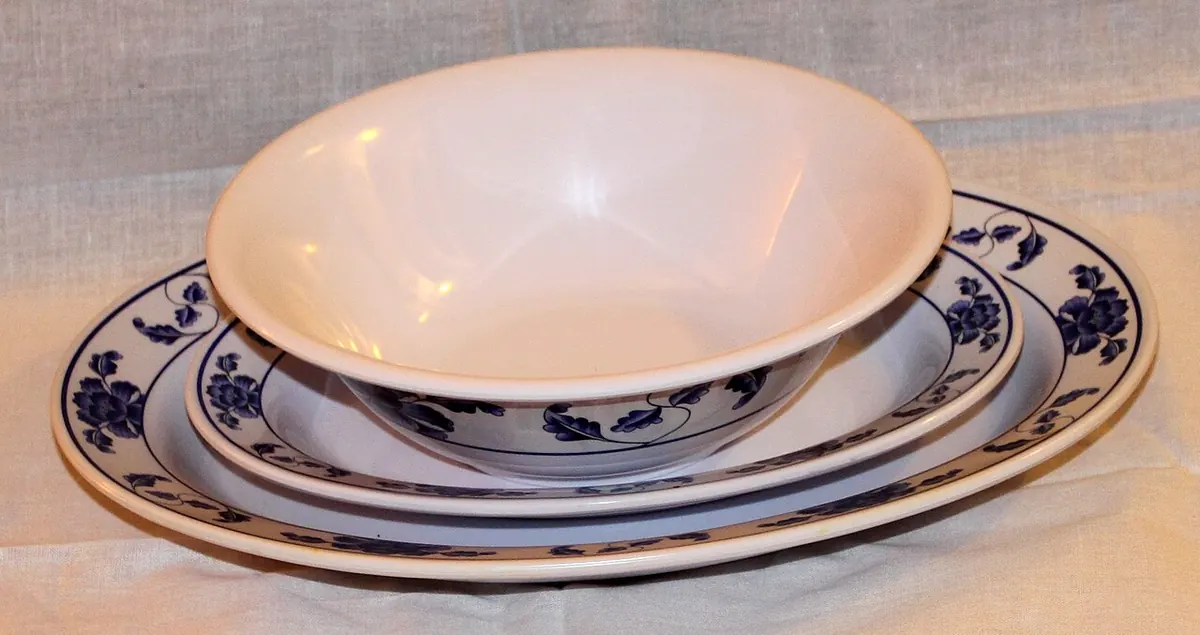
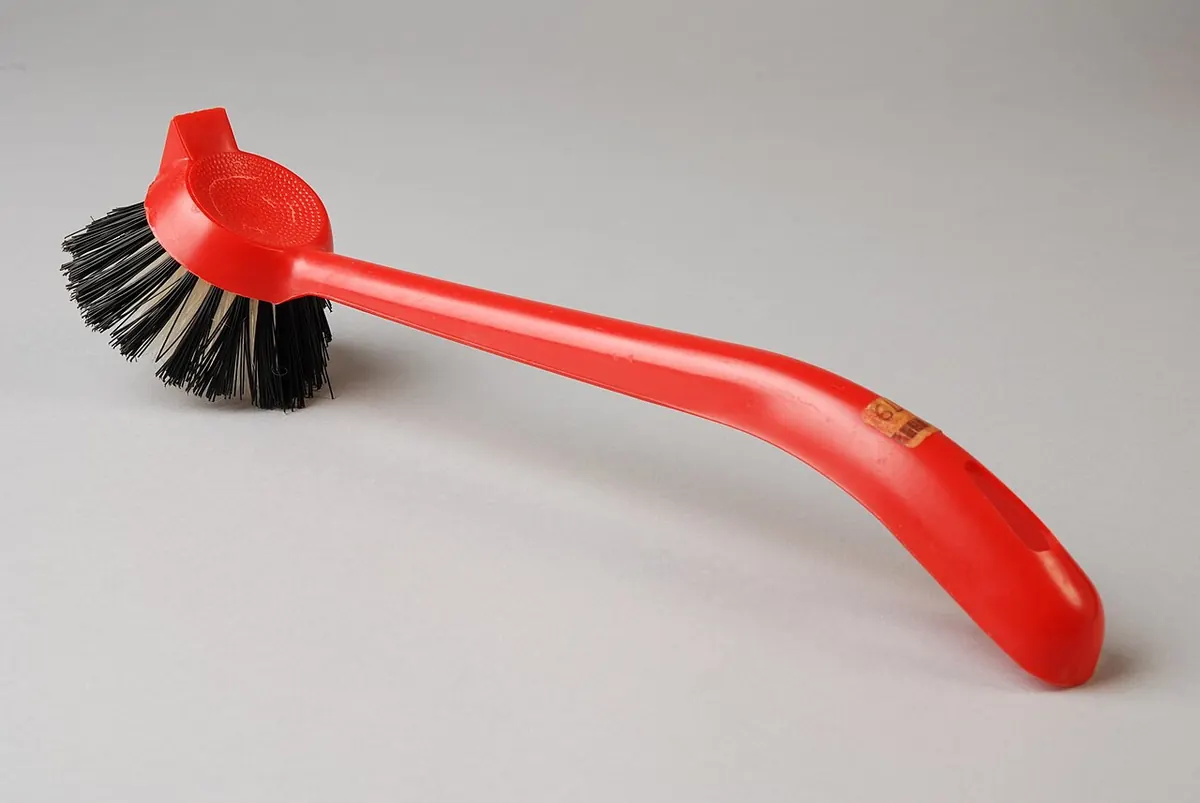
Plastic kitchenware covers the tools and serving pieces that touch food: spatulas, ladles and turners, bowls, plates and cups, serving dishes, trays, and dispensers for salt, pepper or sauce. Most are injection moulded, usually in polypropylene. Shops and hotel or restaurant kitchens buy them in Bangladesh, and importers buy them for retail abroad.
Bangladesh has about 6,000 plastic factories, most of them small or medium-sized, so mould condition, resin records and test reports vary between makers. Choosing a kitchenware manufacturer in Bangladesh turns on that paperwork as much as on samples. Roptan sources from verified moulders, puts quotes on one resin and test basis, and checks the bulk.
How to brief a kitchenware manufacturer in Bangladesh
- Resin and hottest use
- Name the resin per part and the hottest use. Commercial PP melts at about 160 to 166 °C, so boiling water and dishwasher items are usually PP, not polystyrene.
- Migration test conditions
- Under EU rules, OM3 (2 hours at 70 °C) also covers 100 °C for 15 minutes; OM5 (2 hours at 100 °C, or 1 hour at 121 °C) covers longer, hotter use.
- Repeated use
- The EU test for reusable items runs three times on one sample with fresh simulant. The third result decides, and migration must not rise from one run to the next.
- Foods it will touch
- Acid foods below pH 4.5 are tested with 3 % acetic acid, foods with surface fat with vegetable oil. Name the foods so the lab picks the simulants.
- Colours
- For the EU, cadmium must stay below 0.01 % by weight of the plastic; ask for a heavy-metal report per colour.
- Dishwasher claim
- A 'dishwasher safe' pack claim needs a report to EN 12875-1, the reference method for domestic articles, plastics included, in a domestic dishwasher.
Food-contact rules and tests for kitchenware
- Regulation (EU) 10/2011
- Caps overall migration at 10 mg per dm² of contact surface, which the Commission also gives as 60 mg/kg of food, backed by a written declaration of compliance.
- Primary aromatic amines
- Amines listed under REACH must not be detectable at 0.002 mg/kg each, and other amines must stay below 0.01 mg/kg in sum. Ask for a PAA report on dark nylon.
- 21 CFR 177.1520
- The US rule for olefin polymers, which include PP. Ask for the resin maker's letter stating that the grade meets it.
- BDS 1662:2000, BDS 1913:2016 and BDS 1976:2020
- BSTI's guides for food-contact plastics and an overall migration method. They support a lab report; they are not a product mark.
Lead times and delivery
Time depends mostly on the mould and the tests. An existing mould samples sooner than a new one, which has to be made and trialled. Imported resin, special colours and a hot migration test run three times all add time. Roptan confirms the dates and the minimum order in the quote.
Inside Bangladesh, Roptan delivers to shops, warehouses and hotel or restaurant kitchens in Dhaka, Chattogram and beyond, with the packing list, the test reports for each resin and colour, and a VAT invoice (Mushak 6.3). Retail cards follow the approved sample.
Buying kitchenware for export
For importers Roptan quotes FOB Chattogram (Chittagong). Plastic kitchenware usually enters under tariff heading 3924; your broker confirms the line. The EU's extra import checks on polyamide and melamine kitchenware cover goods from China and Hong Kong, not Bangladesh, but the same migration limits apply. Documents: the declaration of compliance, lab reports, certificate of origin and the seller's ERC.
Questions buyers ask
Why does a black nylon spatula need an extra test?
Primary aromatic amines can come from colourants used in plastics. EU rules say the amines listed under REACH must not be detectable at 0.002 mg/kg each, and any others must stay below 0.01 mg/kg together. Ask for a report on the exact colour and grade, run at cooking temperature.
Can we print 'dishwasher safe' on the pack?
Only with evidence. EN 12875-1 is the reference method for how domestic articles, plastics included, stand up to a domestic dishwasher. Ask for a report to it, or an equal method, on the same resin and colour; Roptan checks it matches the approved sample.
Is there a Bangladesh standard for plastic kitchenware?
None was found for general kitchenware. BSTI lists guides and a migration method, and its mandatory certification list covers melamine and urea tableware. For export, the importing market's rules decide which tests the order needs, and Roptan writes them into the order.
Which migration test suits a ladle used in boiling soup?
The hotter one. OM3 covers 100 °C for no more than 15 minutes, and a ladle left in simmering soup sees longer. OM5, 2 hours at 100 °C or 1 hour at 121 °C, is the worst case for PP and other polyolefins.
How soon will I hear back about plastic household goods?
Within 48 hours of a complete requirement, with a price and a delivery date. A requirement is complete when it has the quantity, where it is needed and by when.
Who do I deal with?
With Roptan, when Roptan manages the order: we buy from the verified seller and deliver to you. With the supplier directly, when you post on the requirement board and choose a quote yourself.