Managed sourcing from Bangladesh, for export and for buyers at home
Get it sourced

Water and wastewater · Filter media

Granular activated carbon supplier in Bangladesh

Roptan is your granular activated carbon supplier in Bangladesh. Tell us the base material, mesh size, iodine number and bed volume: we source from a verified seller, check the certificate for the actual lot and deliver sealed bags to your plant.

  • Verified sellers
  • Checked before it ships
  • Delivered by Roptan

Get granular activated carbon sourced

Prefer to deal with suppliers yourself? Post it on the requirement board

Buying granular activated carbon in Bangladesh

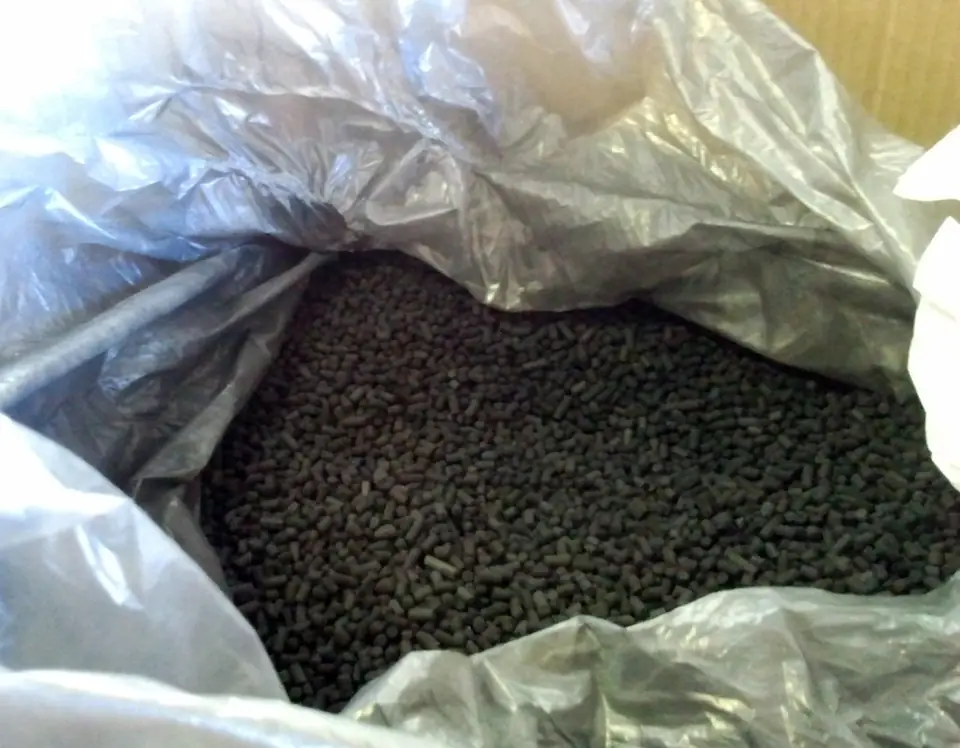
Granular activated carbon, or GAC, is carbon in grains coarse enough to stay in a fixed bed, unlike powdered carbon, which is dosed and removed. Water or air passes through the bed and the carbon takes up chlorine, organics, taste and odour. Water and RO plants replace it when it is spent; air and gas cleaning units use coarser grades.

Two carbons sold under one name can behave quite differently in the same filter. As your granular activated carbon supplier in Bangladesh, Roptan writes each value into the order with its test method, compares verified sellers on that specification and checks the certificate for your lot.
Kinds of granular activated carbon

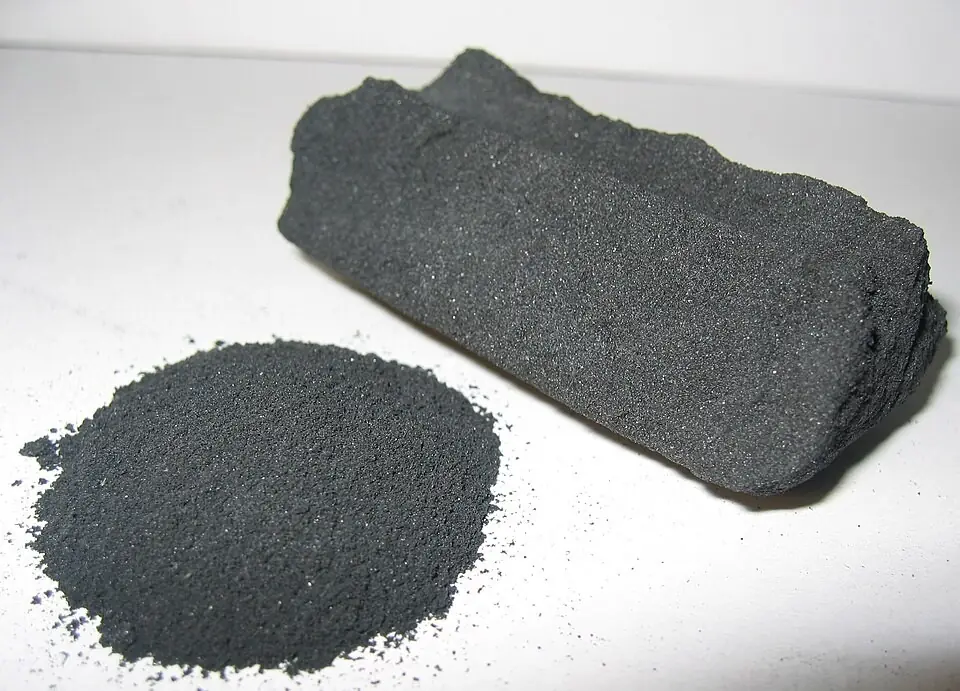
Coconut shell GAC

Made from coconut shell, one of the base materials water buyers usually compare. The raw material usually shapes the pore structure, so ask which duty the grade is made for.

Coal based GAC

Made from coal or lignite. Ash depends on the raw material, so put an ash limit in the order and ask for the result for your lot.

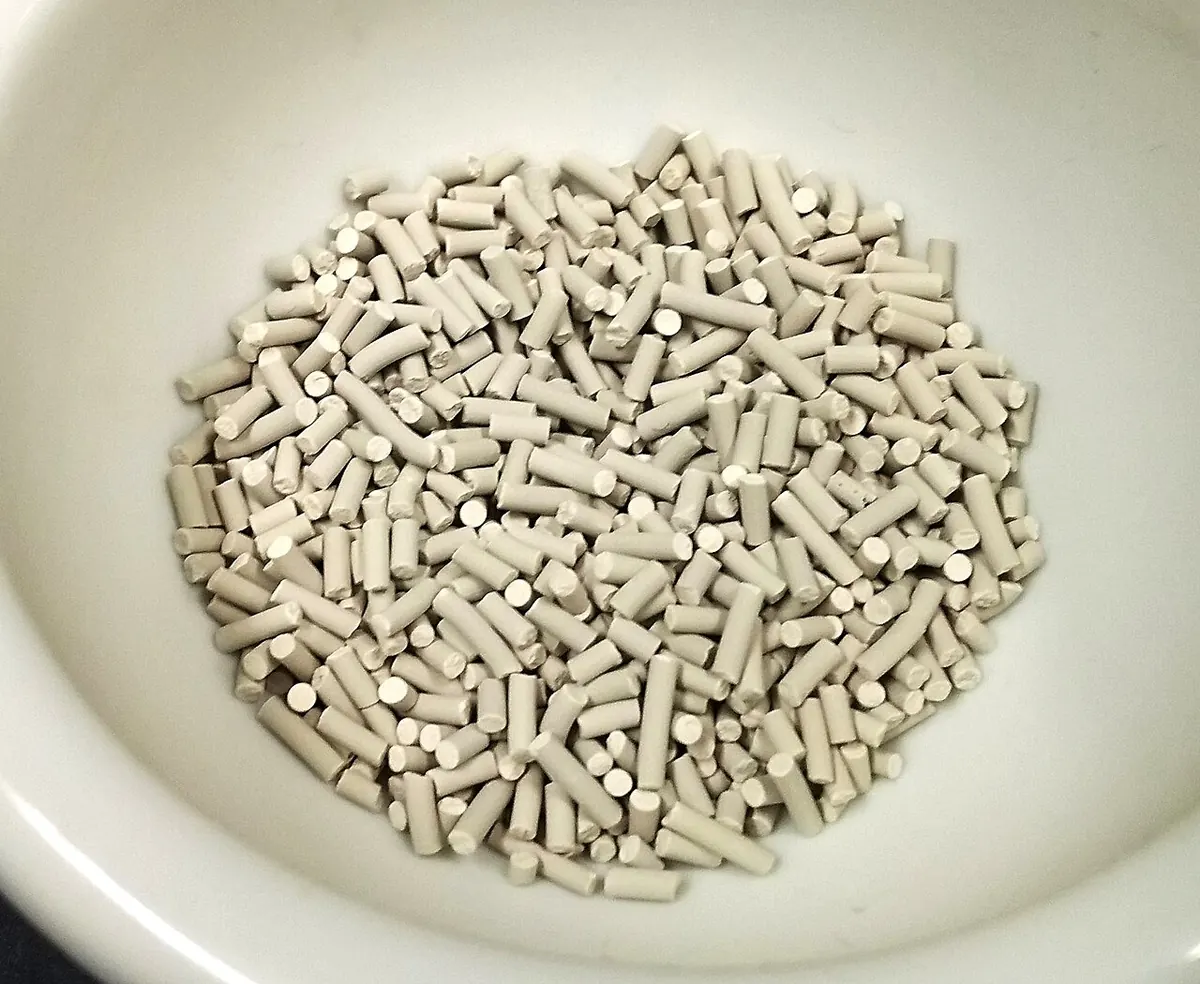
Extruded (pelleted) carbon

Carbon pressed into small cylinders, mainly for gas and air work: low pressure drop, good mechanical strength and little dust.

Reactivated GAC

Spent carbon that has been regenerated. It is a different product from virgin carbon, with its own European standard, so ask for it to be named on the quote and the certificate.

How to specify granular activated carbon

Water or gas duty
Liquid-phase grades usually come in sizes such as 8x30, 12x40 or 20x40 US mesh; vapour-phase grades are coarser, such as 4x8 or 4x10.
Size range and fines
State the mesh range and the fines you accept. Particle size changes the pressure drop across the bed and how fast it adsorbs.
Iodine number
In mg of iodine per g of carbon. Water-treatment carbons typically sit between 600 and 1,100 mg/g; a higher number means more activation.
Values for your duty
For colour or large organic molecules, ask for the molasses or methylene blue value; for chlorine ahead of RO, the dechlorination half-value length.
Packed density
Vessels are filled by volume, carbon is sold by weight. Ask for the lot's apparent density, typically about 400 to 500 kg per cubic metre.
Ash and moisture
Set both as limits. Moisture usually rises in transit and storage, so agree it as packed and check it on arrival.
Iron in the feed water
Dissolved iron is often high in oxygen-poor groundwater. Test your own well water before you choose the bed and the steps ahead of it.

Lot certificate tests from a granular activated carbon supplier in Bangladesh

ASTM D4607
Iodine number. ASTM calls it a relative indicator of porosity: use it to compare carbons, not as a promise of performance.
ASTM D2854 and ASTM D2862
Apparent density and particle size distribution of granular carbon: how many kilograms fill your vessel, and whether the lot holds to its mesh range.
ASTM D2866 and ASTM D2867
Total ash and moisture. D2867 warns that some activated carbons can ignite on their own at temperatures as low as 150 degrees Celsius when oven-dried.
EN 12915-1 and EN 12915-2
European standards for granular carbon treating drinking water: Part 1 virgin, Part 2 reactivated. Ask which part the certificate covers.

What moves the price of granular activated carbon

  • Activation: a higher iodine number means more activation, and usually a higher price per kg.
  • A narrow mesh band and a tight fines limit, which need more screening.
  • Ash, density and hardness limits tighter than the seller's standard grade.
  • Drinking-water conformity to EN 12915 and third-party testing of the lot.
  • Quantity, packing in bags, bulk bags or drums, and freight for grades brought in to order.

Lead times and delivery

Grades a seller already holds in Bangladesh usually move fastest. Grades brought in to order usually take several weeks, with sea freight to Chattogram and customs clearance first; a potable certificate or lab test adds time. The minimum depends on local stock or a fresh import. Roptan confirms the date and the minimum in the quote.

We deliver to your plant or store anywhere in Bangladesh, with the lot number on each bag matching the certificate of analysis, the safety data sheet to GHS and a VAT invoice (Mushak 6.3). Check the seals on arrival and keep the bags dry until the vessel is ready. If you need the vessel filled, we arrange it through the seller.

What we check for this order

  • Grade and test methods in writingWe write mesh range, iodine number, density, ash and moisture into the order, each with its ASTM test method, before any seller quotes.
  • Virgin or reactivatedWe confirm in writing whether the carbon is virgin or reactivated, and that the certificate says the same.
  • Lot certificate against bagsWe match the lot number on every bag to the certificate of analysis and check its values against your order.
  • Sealed, dry packingWe check that bags are sealed at dispatch, because the moisture in activated carbon usually climbs during transport and storage.

Questions buyers ask

Which mesh size should I order for an RO pre-filter?

Usually a liquid-phase size, most often 12x40 or 8x30 US mesh, because those sizes balance particle size, surface area and head loss. Your filter maker's manual or the existing charge is a reliable guide, so send us the old bag label or certificate.

Is a higher iodine number always better?

Not for every job. A higher iodine number shows more activation and micropore volume, but ASTM D4607 notes it does not necessarily measure how well a carbon takes up other substances. For colour or larger organics, compare molasses or methylene blue values, and for an unusual duty, test a sample on your own water.

How many kilograms do I need to fill my vessel?

Multiply the bed volume in cubic metres by the apparent density. At a typical 400 to 500 kg per cubic metre, a one cubic metre bed takes roughly 400 to 500 kg. Use the density on your lot's certificate and add a margin for loading losses.

Can you test a sample before the bulk is delivered?

Yes, for large or critical orders. A sample from the actual lot, not a sales sample, goes to a lab accredited to ISO/IEC 17025 for the values in your order. The bulk is released once the results match, which adds a few days.

How soon will I hear back about filter media?

Within 48 hours of a complete requirement, with a price and a delivery date. A requirement is complete when it has the quantity, where it is needed and by when.

Who do I deal with?

With Roptan, when Roptan manages the order: we buy from the verified seller and deliver to you. With the supplier directly, when you post on the requirement board and choose a quote yourself.

Other filter media products

Each product type has its own page as it is published; until then its card opens the category form.

All filter media