Buying ceramic balls in Bangladesh
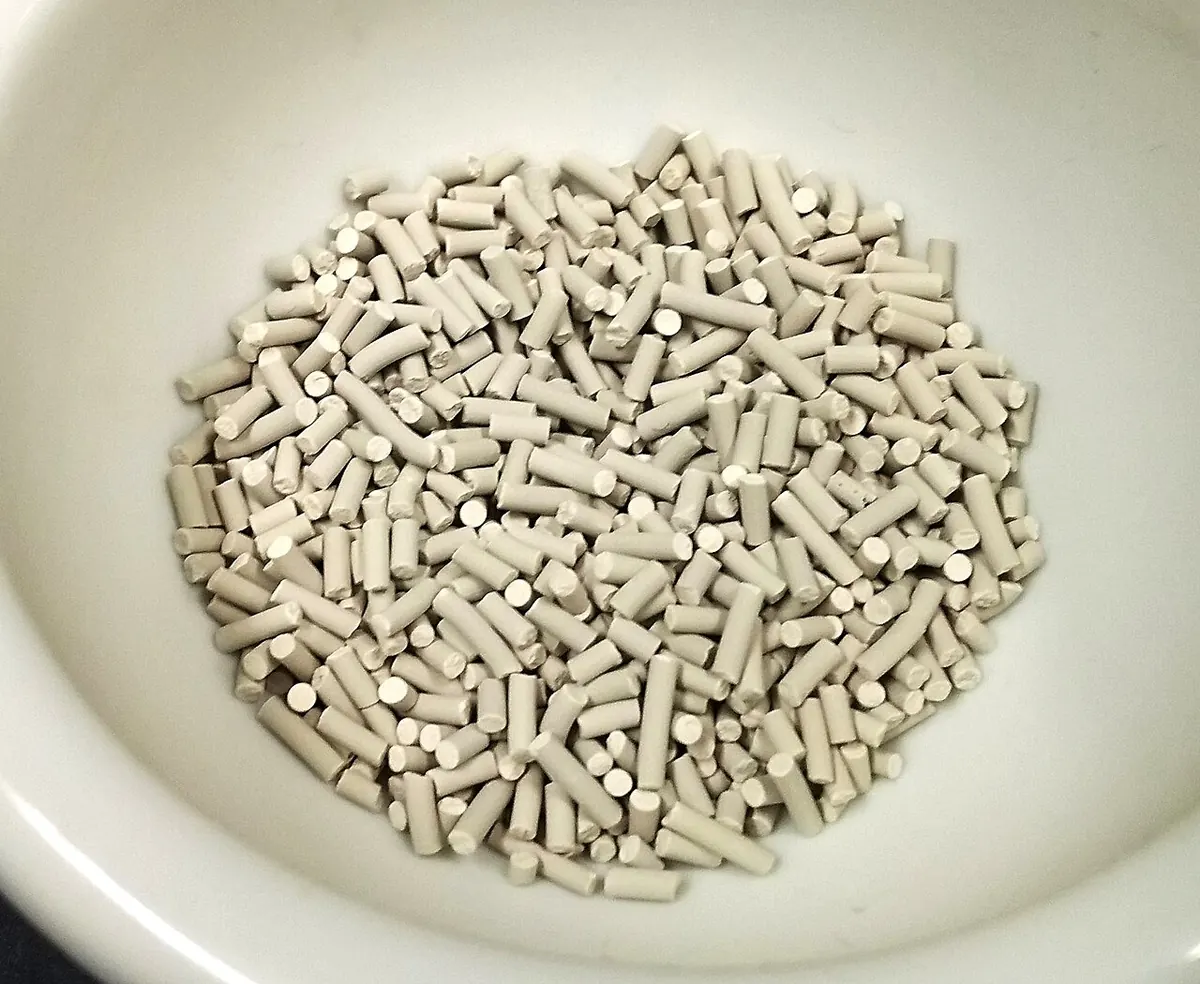
Ceramic balls, also called inert alumina balls, sit under and over catalyst, desiccant and adsorbent beds and take no part in the reaction. They spread incoming gas or liquid evenly, cushion the active bed from the flow and keep fine media in place. In columns they also serve as inert packing. Petroleum, chemical, fertiliser, gas processing and environmental plants are the usual users.
Seller specification tables differ in grade bands and units, so two offers for the same ball can be hard to compare. As your ceramic ball supplier in Bangladesh, Roptan writes the figures for each layer into the order, gets quotes from verified sellers on that basis and checks the lot results before delivery.
How to specify ceramic balls
- Diameter per layer
- Give the diameter in mm for each layer of the bed, from the vessel drawing or the old charge.
- Alumina content
- State the minimum Al2O3, and Al2O3 plus SiO2, in per cent. The band follows the process temperature and any acid or alkali in the vessel.
- Crush strength
- Ask for compressive strength with the ball size it was measured on and the unit, kilograms or newtons per piece.
- Water absorption and density
- Give a maximum water absorption in per cent and the particle density wanted; both appear on seller tables.
- Leachable iron
- Set a limit on free leachable Fe2O3. Sellers list far lower limits for high alumina grades than for low alumina ones.
- Hardness
- Ask for Mohs hardness and crush strength together, since hardness alone does not show how a ball behaves under load.
- Quantity by volume
- Vessels are filled by volume. Ask for the pour density of the exact grade and size, work out the kilograms and add a margin for loading losses.
What a ceramic ball supplier in Bangladesh should put on paper
- Seller specification table
- Sellers publish their own tables of alumina content, density, water absorption, crush strength and leachable iron. The table agreed with the seller becomes part of the order.
- Lot certificate
- Al2O3, Fe2O3, water absorption and crush strength for the delivered lot, each stated on a named ball size and test basis.
- Independent lab test
- For large or critical beds, a sample from the delivered lot tested at an ISO/IEC 17025 accredited lab against the agreed table.
Lead times and delivery
A stockist may hold common low alumina sizes; other grades and sizes are usually imported to order, which adds sea freight to Chattogram and customs clearance, and a lab test adds days. Minimums vary by seller: one seller lists a minimum order of one tonne, and some list items only as pre-order. Roptan confirms the date and the minimum in the quote.
We deliver to your plant across Bangladesh in bags or drums on pallets, each marked with grade, size and lot number to match the certificate, with a VAT invoice (Mushak 6.3). Keep sizes apart on site, because a mixed layer is hard to sort once the vessel is open. If you need the bed loaded, we arrange it through the seller.
Questions buyers ask
Which alumina content do I need?
Follow the reactor or column specification if you have one. Low alumina grades, typically about 17 to 23 per cent, suit milder service; higher alumina bands suit higher temperatures and stronger acids or alkalis. Send us the old charge's data sheet or the vessel specification, and we source to it.
Can I reuse the ceramic balls when I change the catalyst?
Often, if they are not damaged or contaminated. Sieve, wash and inspect the support layer, reload sound balls and replace cracked or fouled ones. Order the replacement share at the same grade and size, so old and new balls sit alike in the bed.
Why do crush strength figures differ so much between offers?
Sellers quote crush strength on different bases: one table gives newtons on a 13 mm ball, while other tables usually give a figure per piece on a smaller ball, in kilograms or newtons. The numbers only compare when the unit and the ball size match, so we ask every seller for the same basis.
How do I work out the quantity in tonnes?
Take the volume of each layer from the vessel drawing, multiply it by the pour density of that grade and size, and add a margin for loading losses. Pour density changes with alumina content and size, so use the seller's figure for the exact ball you are buying.
How soon will I hear back about filter media?
Within 48 hours of a complete requirement, with a price and a delivery date. A requirement is complete when it has the quantity, where it is needed and by when.
Who do I deal with?
With Roptan, when Roptan manages the order: we buy from the verified seller and deliver to you. With the supplier directly, when you post on the requirement board and choose a quote yourself.