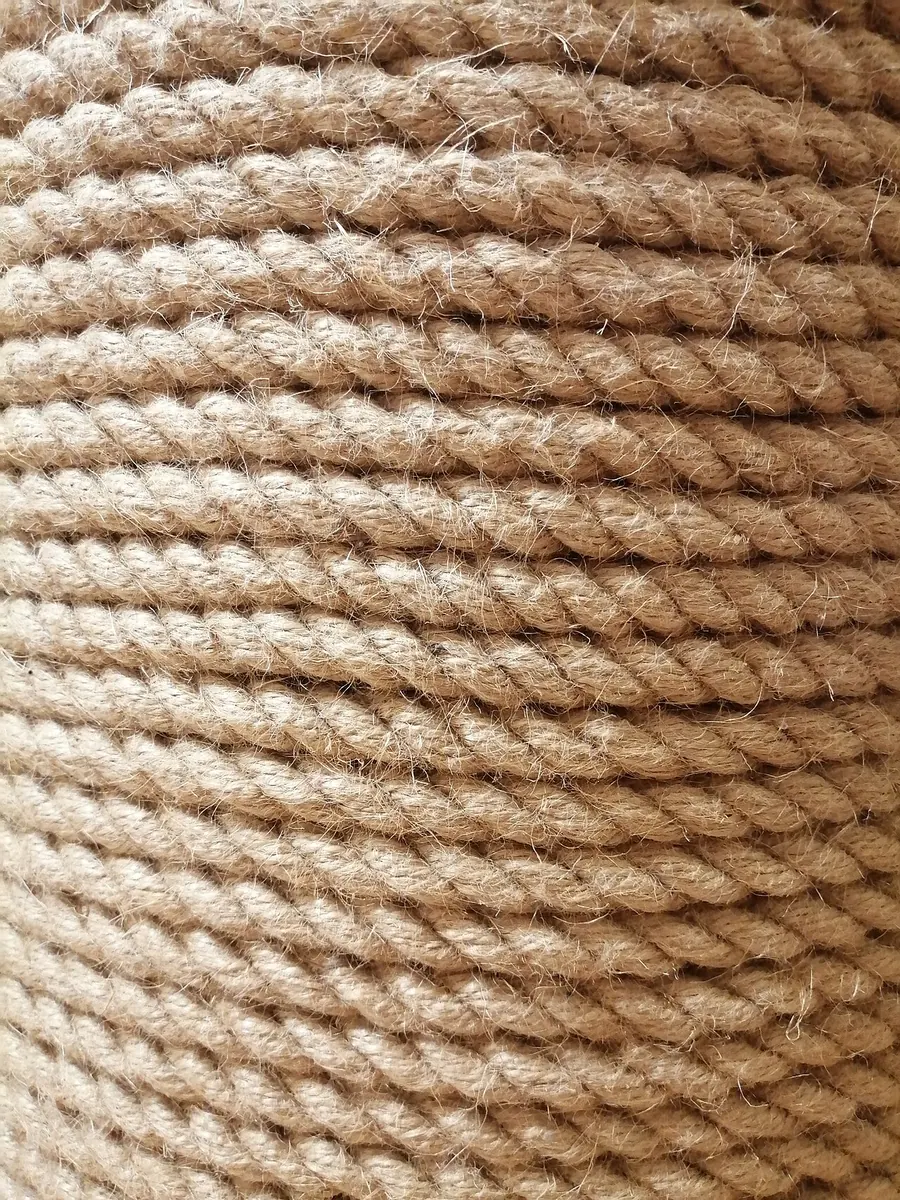
Buying carpet backing yarn in Bangladesh
Carpet backing yarn is the jute yarn woven into carpet backing cloth, CBC. Primary backing gives tufted carpet its tufting surface; secondary backing is bonded on behind it. Backing-cloth and carpet mills in Bangladesh and abroad buy the yarn. Ask a carpet backing yarn manufacturer in Bangladesh for the count and the oil content together, because spinning oil left in the backing can soil the pile.
Roptan sources carpet backing yarn from verified spinning mills. We write the count, tolerance and oil limit into the order, check the lot report and the condition of the spools, and deliver to your mill or ship it. You deal with Roptan only.
Ordering from a carpet backing yarn manufacturer in Bangladesh
- Count and tolerance
- Count in lb per spyndle with tex beside it, for example 7.5 lb, about 258 tex, and the variation you accept between spools.
- Oil content
- A maximum for extractable matter. IS 4900, the Indian backing-fabric standard, caps the cloth at 2.0 percent: above 2 percent in the yarn, oil can migrate and soil a cotton or rayon pile.
- Strength
- Single-yarn breaking load and the quality ratio, load in pounds over count in lb per spyndle, times 100, per lot with the number of specimens.
- Moisture
- Moisture at dispatch and the contract regain that invoice weight is corrected to. Tests should run on specimens conditioned to an atmosphere the contract names.
- Spools and packing
- Spool type and weight, from about 100 g to jumbo spools of about 25 kg, packed in bags, cartons or stretch-wrapped pallets that keep them clean and dry.
Standards and tests for carpet backing yarn
- IS 4900
- The Indian standard for jute carpet backing fabric, plain or sateen weave. It caps extractable oil at 2.0 percent and wants cloth free from mildew and oil stains.
- ISO 139
- The standard atmosphere for conditioning and testing textiles, with an alternative by agreement. IS 4900 lets buyers test in tropical or temperate conditions, so name one.
- ISO 2060 and ISO 2062
- Count by the skein method and breaking force from the package. Asking for both on every lot catches a lot that drifts off count or strength between shipments.
Lead times and delivery
Dates depend on whether the mill already spins your count with a low-oil emulsion or must set up a batch for it. A lab test for extractable matter and a sample approval usually add time. For export, the minimum is usually one 20-foot container, and some mills set higher minimums. Roptan confirms the dates and the minimum in the quote.
Inside Bangladesh, we deliver spools by covered truck to your backing-cloth or carpet mill, kept dry and clear of oil, with the packing list, the lot report including extractable matter, and a VAT invoice (Mushak 6.3). Report mildewed or oil-stained spools to Roptan before use, and we take them up with the mill.
Buying carpet backing yarn for export
We quote FOB Chattogram, or FOB Mongla for mills near Khulna. The yarn usually ships under HS 5307 as single yarn, 5307.10. Documents usually include the commercial invoice, packing list with lot numbers and net weights, bill of lading, certificate of origin, a count, strength and extractable-matter report per lot, and a REX statement on origin for EU GSP.
Questions buyers ask
What count is carpet backing yarn?
Usually 6.5 to 8.5 lb per spyndle, about 224 to 293 tex. Finer yarn of 3.5 to 6.5 lb goes into carpets and decorative fabric, and some 'carpet yarn' on sale is 10 to 18 lb, listed for making carpets. State the count in lb and tex.
Why does oil content matter in backing yarn?
Jute is softened with oil so it can be spun. If extractable matter in the yarn is above 2 percent, oil can migrate into the pile and visibly speed the soiling of a cotton or rayon pile, according to the Indian backing-fabric standard. Ask for extractable matter on your lot.
What is the difference between primary and secondary backing?
Primary backing is the cloth the pile is tufted into. Secondary backing is bonded to the primary backing, or laminated to the back of the carpet as an underlay. Both are woven jute cloth; tell us which you weave so the count matches.
Why name a test atmosphere in the contract?
Because jute gains and loses moisture with the air, and count and strength results move with it. ISO 139 sets a standard atmosphere and allows an alternative by agreement; the Indian backing standard allows tropical or temperate conditions. Name one, so mill and buyer results compare.
How soon will I hear back about jute yarn and twine?
Within 48 hours of a complete requirement, with a price and a delivery date. A requirement is complete when it has the quantity, where it is needed and by when.
Who do I deal with?
With Roptan, when Roptan manages the order: we buy from the verified seller and deliver to you. With the supplier directly, when you post on the requirement board and choose a quote yourself.