Buying cakes in Bangladesh
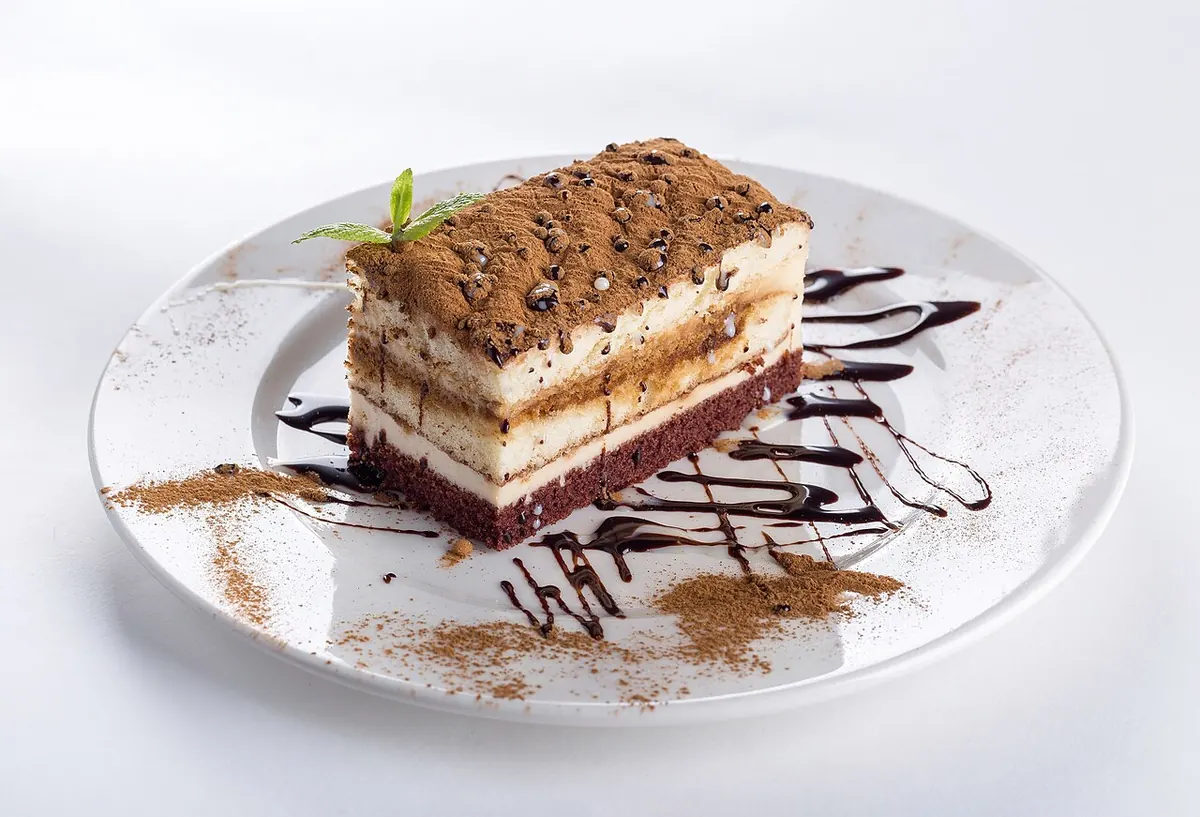
A cake is made from a batter, not a dough, and holds far more water than a biscuit. Packaged cakes are mostly sponge or butter types, wrapped one by one or sold as slabs, rolls and cupcakes. In Bangladesh shops, distributors, offices, schools and caterers buy them for tea and snack packs, and some buyers order them under their own label.
A cake that looks perfect at the plant can grow mould before its date. A cake manufacturer in Bangladesh should show how its shelf life is reached, so Roptan sources from verified, licensed plants, checks the preservation system, the additive list for your market and the storage evidence, then checks each batch before dispatch.
How to brief a cake manufacturer
- Family and format
- Sponge, butter or chiffon, and slab, cup, roll or layer, with piece weight and pieces per pack. Send a reference sample.
- Water activity
- A target for cake and filling. Cakes are intermediate-moisture foods and prone to mould, so water activity is the key number in the brief.
- Preservation system
- Which preservatives, if any, and whether an oxygen absorber goes in the pack. Propionates, sorbates and benzoates are common in bakery goods.
- Storage conditions
- Most cakes are packed in air and kept at room temperature. Ask for a storage test at your market's temperature and humidity.
- Fillings and toppings
- Cream, jam, icing, sesame or nuts, each with its water activity and allergens. A wetter filling shortens shelf life.
- Wrap and seal
- Film type, seal and how each piece is wrapped. The pack decides how much oxygen and moisture reach the cake.
Licences, rules and tests for cakes
- BSTI licence, BDS 1574:2021
- Cakes are on BSTI's mandatory certification list; decorated cake has its own entry, BDS 2008:2022, and pastry another. BSTI treats selling a listed product without the CM licence as a punishable offence.
- Additive rules of your market
- Which preservatives are allowed, and how much, differs by market. Check the recipe against your market's additive list before the trial batch.
- Allergen labelling
- Wheat, egg and milk appear in most cakes, plus sesame or nuts from toppings. The EU lists 14 allergens and the US nine.
- FSSC 22000 or ISO 22000
- Food safety certificates for the plant. FSSC 22000 builds on ISO 22000 and is GFSI approved; check that the scope covers cakes.
Lead times and delivery
Because a cake keeps for less time than a biscuit, plants usually bake close to dispatch, so dates follow your delivery plan. A new recipe takes longer: trial bakes, a storage test that needs time to run, artwork, printed film and a pre-production sample. Roptan confirms the dates and the minimum per item in the quote.
Inside Bangladesh Roptan delivers by the carton to distributors, shops, offices, schools and caterers, with batch codes and expiry dates on every carton, lab reports where ordered and a VAT invoice (Mushak 6.3). Plan stock so the earliest date sells first, and keep cartons cool and dry.
Buying cakes for export
Cakes have no export line of their own: they are classed with bread and other bakers' wares under HS 1905.90, so there is no separate cake export figure. Shelf life decides how far a cake can travel, so agree the share of shelf life left on arrival. Roptan quotes FOB Chattogram or CFR.
Questions buyers ask
Is dry cake made by the same plants?
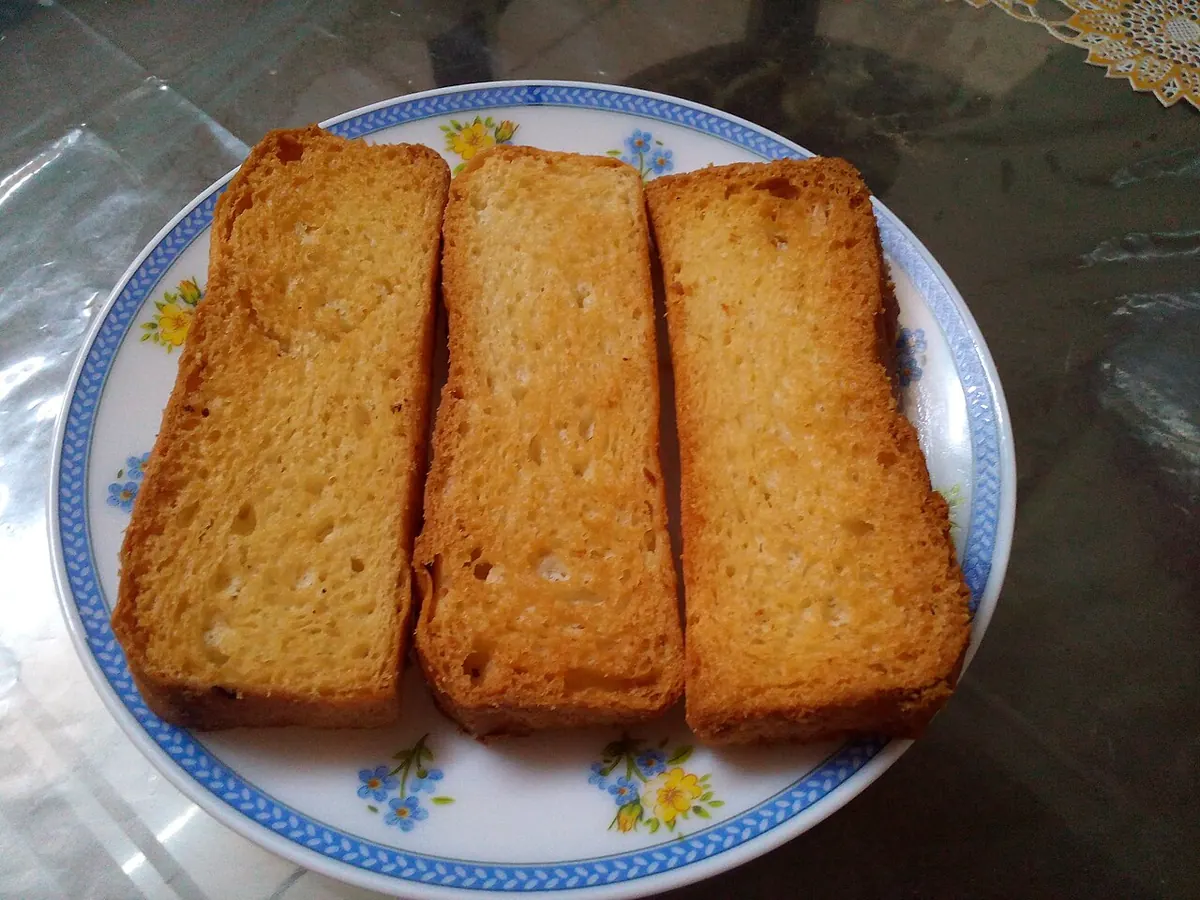
Often by bakery plants, but it is a different product. Dry cake is cake rusk: cake baked, sliced and dried in a second bake, so it keeps far longer than a soft packaged cake. We cover it with toast and rusk, and quote it with its own specification.
Why do packaged cakes go mouldy?
Cakes are intermediate-moisture foods, and mould spores can settle on them before packing. Water activity, pH and the microbial load set how fast mould grows, together with heat, humidity and the pack. Preservatives and oxygen absorbers slow it, so ask which the plant uses.
Does a decorated cake need a different BSTI licence?
BSTI's mandatory list has separate entries for cakes and for decorated cake, so a plant licensed for plain cakes may not be licensed for iced or decorated ones. Before any order, we check that the licence names the exact product you are buying.
Do cakes for the EU need acrylamide tests?
The EU acrylamide regulation lists fine bakery wares such as biscuits, rusks and wafers, and does not name cakes, so its biscuit benchmarks are not claimed for cakes. EU importers still expect HACCP, allergen control and microbiology results for each batch.
How soon will I hear back about biscuits and bakery?
Within 48 hours of a complete requirement, with a price and a delivery date. A requirement is complete when it has the quantity, where it is needed and by when.
Who do I deal with?
With Roptan, when Roptan manages the order: we buy from the verified seller and deliver to you. With the supplier directly, when you post on the requirement board and choose a quote yourself.