Managed sourcing from Bangladesh, for export and for buyers at home
Get it sourced

Footwear and leather · Rubber and plastic footwear

Rain boots manufacturer in Bangladesh

Need a rain boots manufacturer in Bangladesh? Tell us the use, height, sizes, quantity and whether you need a toe cap. We source PVC or natural rubber boots from verified makers, check the pairs and deliver to your store, farm or site.

  • Verified sellers
  • Checked before it ships
  • Delivered by Roptan

Get rain boots sourced

Prefer to deal with suppliers yourself? Post it on the requirement board

Buying rain boots in Bangladesh

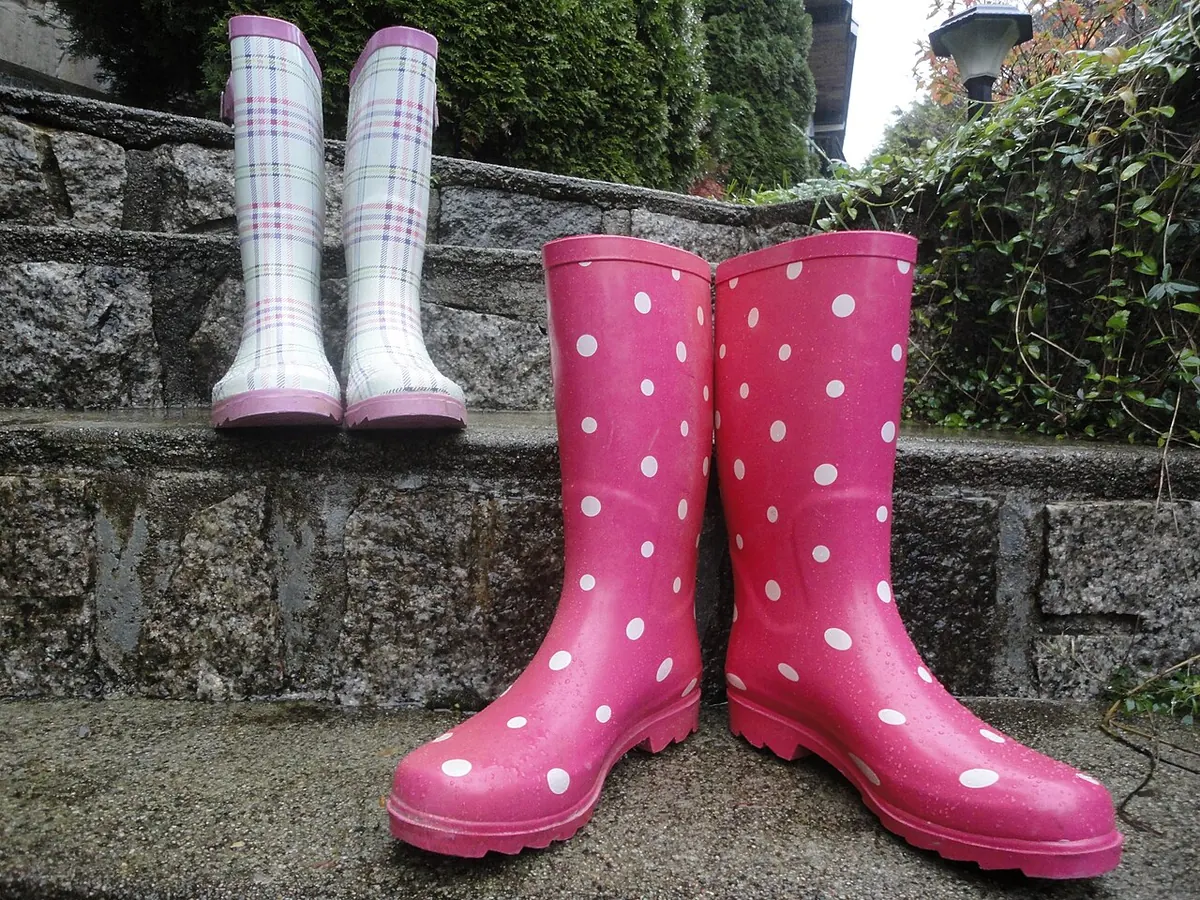
Rain boots, also called Wellington or gum boots, are waterproof boots most often made from PVC or rubber. Bangladesh has a tropical monsoon climate: the wet season runs from June to September, and large areas flood. Farms and factories buy boots for that season and for work in mud, animal waste and fertiliser. Exports are very small, so this is mainly a home market.

Roptan finds the rain boots manufacturer in Bangladesh whose material suits your use and puts quotes on the same height, sizes and lining. We approve a sample pair with you, check the papers for any safety boot, inspect sampled pairs for leaks and fit and deliver to your store or site.
Kinds of rain boot

PVC rain boots

Injection moulded from melted PVC compound, a relatively low-cost process. Lighter than natural rubber boots. A workwear comparison rates PVC well against many chemicals, oils and acids; ask for data on your own chemicals.

Natural rubber boots

Built up and vulcanised, a longer process than PVC moulding, so they usually cost more and weigh more. Rubber resists ammonia, animal waste and fertilisers, but certain oils can make it swell or break down.

PVC and rubber blend boots

Some makers mix natural rubber into PVC to make a hybrid, since PVC alone does not stretch to the foot. Ask for the blend to be named in the quote.

Ankle and knee boots

Customs splits boots that cover the ankle but not the knee from taller ones. Ankle boots suit wet streets and yards; knee boots suit flooded fields and roads. State the shaft height in millimetres.

Safety rain boots

Boots with an internal toe cap, traditionally steel but also composite or a plastic such as TPU. Under EN ISO 20345 the cap resists 200 J impact and 15 kN compression.

How to specify rain boots

Use and chemicals
Say what the boot will stand in: water, mud, fertiliser, animal waste, oil or acid. It decides between PVC and rubber, so ask for resistance data against your actual chemical.
Material
PVC, natural rubber or a blend, named in the quote with the weight per pair in one size.
Height
Shaft height in millimetres, and whether the boot covers only the ankle or reaches the knee.
Toe cap and sole
Toe cap or none, and if yes, steel, composite or plastic. For slip resistance, name the floor and test method, such as ISO 13287:2019.
Fit and sizes
PVC has no stretch, so fit depends on the mould. Give the size system and pairs per size, and approve a fit pair in each size.
Lining and heat
State whether you want a lining. Summer maxima reach 38 to 41 °C, so wear-test a lined sample pair before bulk.

Standards and papers for rain boots

EN ISO 20345:2022
Safety footwear, including boots made entirely of rubber or polymers. Only toe-capped boots need it; ask for the certificate and test report naming the style.
ISO 20344:2021 and EN ISO 20347:2022
ISO 20344 holds the test methods for protective footwear; EN ISO 20347 covers occupational footwear without a toe cap. A plain rain boot is not protective footwear.
ISO 20871:2018 and ISO 17707:2005
Outsole abrasion for any sole material, and outsole flex resistance. Neither sets a pass mark for rain boots, so state yours.

What moves the price of rain boots

  • Material: natural rubber boots are generally dearer than PVC boots.
  • Height: a knee boot uses more compound than an ankle boot.
  • Toe cap: whether there is one, and steel, composite or plastic.
  • Lining and colours: a lining adds a step, and each colour a compound batch.
  • Moulds: each size usually needs its own mould, so a new style adds tooling.

Lead times and delivery

PVC boots are moulded in one step, while rubber boots are built and vulcanised, which takes longer. Sizes the maker already has moulds for move faster than a new style, and a toe-capped boot that needs safety testing adds time. Roptan confirms the dates and the minimum per style in the quote.

We deliver across Bangladesh: to a store in Dhaka, a farm, a factory or a site. Pairs come by size in labelled cartons, with the packing list and a VAT invoice (Mushak 6.3); safety boots come with the certificate and test report. Plan delivery before the monsoon begins in June.

What we check for this order

  • LeaksWe check sampled pairs from bulk for leaks at the sole and shaft before they are packed.
  • Material and weightWe weigh pairs against the approved sample, since a rubber boot is heavier than a PVC one and a swap shows.
  • Fit in every sizeWe try bulk pairs against the approved fit pair in each size, since PVC has no stretch.
  • Safety papersFor toe-capped boots we check that the EN ISO 20345 certificate and test report name the style you are buying.

Questions buyers ask

Should I buy PVC or rubber rain boots?

Choose by what the boot stands in and the budget. PVC boots are lighter, usually cost less and are rated well against oils and acids. Natural rubber resists ammonia, animal waste and fertilisers, which suits farms, but certain oils can damage it. Ask the seller for resistance data on your chemical.

Are rain boots safety footwear?

Only if they are made and certified as such. A toe-capped boot to EN ISO 20345 is safety footwear, with a cap tested to 200 J impact and 15 kN compression. A plain rain boot keeps feet dry but is not protective footwear, so do not issue it where toes are at risk.

What height should I order?

Match it to the water. Ankle boots suit wet streets and yards; knee boots suit flooded fields and roads. State the shaft height in millimetres in the order, since no current ISO specification fixes boot heights.

Can you source rain boots for export?

Yes, though Bangladesh exports very few. For the EU, REACH limits PAHs and four phthalates in boots that touch the skin, and consumer footwear also falls under the EU limits on carcinogenic and reprotoxic substances; toe-capped boots sold as protective equipment are exempt from that last rule.

How soon will I hear back about rubber and plastic footwear?

Within 48 hours of a complete requirement, with a price and a delivery date. A requirement is complete when it has the quantity, where it is needed and by when.

Who do I deal with?

With Roptan, when Roptan manages the order: we buy from the verified seller and deliver to you. With the supplier directly, when you post on the requirement board and choose a quote yourself.

Other sandal and slipper products

Each product type has its own page as it is published; until then its card opens the category form.

All rubber and plastic footwear