Buying PP woven sacks in Bangladesh
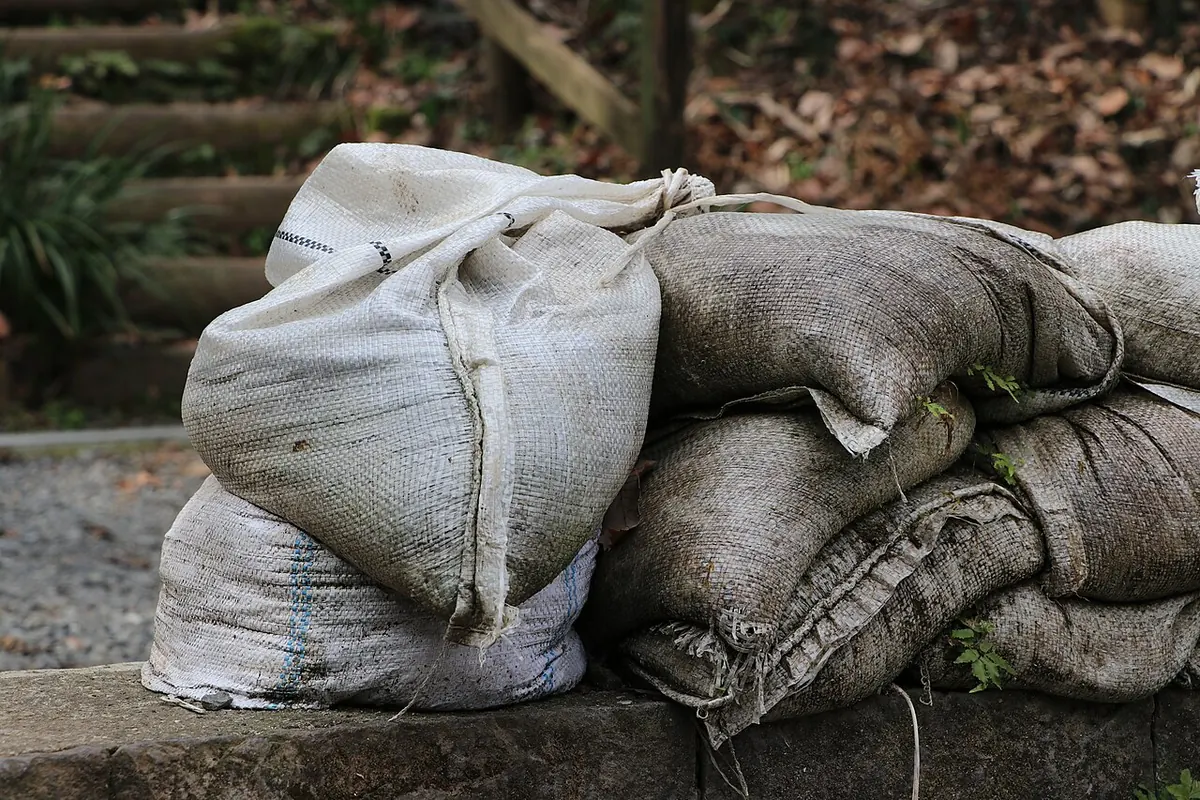
A PP woven sack is cut from tube fabric woven on a circular loom from stretched polypropylene tape, then stitched closed. Sacks for 25 or 50 kg of cereals, sugar, pulses, cement, fertiliser or polymer granules are common. The fabric stays plain, takes an extruded coating or carries reverse-printed BOPP film. Inside Bangladesh, the jute packaging rule limits some uses.
Two sacks sold as 50 kg can differ in tape, mesh and fabric weight, so a PP woven sack manufacturer in Bangladesh should quote against a written construction. Roptan sources from verified mills, puts it into every quote, checks a sample and your bales, and delivers or ships. You deal with Roptan only.
How to brief a PP woven sack manufacturer in Bangladesh
- Fill and size
- Product, fill weight and bulk density; inside length and width in millimetres; any gusset; open mouth or valve, with the valve size.
- Tape, mesh and fabric
- Tape width in mm, denier, tapes per inch, fabric g/m² and sack mass with a tolerance. Neighbouring-country cement sack standards use 900 denier tape, 2.5 or 3.0 mm wide.
- Coating and print
- Coating g/m², BOPP film or not, print colours, flexographic or rotogravure printing, and a rub test on the print.
- UV and ash
- UV stabiliser and its retained-strength test; maximum ash (mineral filler), which neighbouring-country standards cap at 2.2 to 6 percent.
- Seams and liner
- Double fold seam, stitches per decimetre, stitching tape heavier than the fabric tape; liner film and thickness if one is used.
Standards and papers for PP woven sacks
- ISO 23560:2015
- Woven polypropylene sacks of 25 or 50 kg for cereals, sugar and pulses. The 2008 edition is withdrawn, so check the year on reports.
- EN 277:1995
- The European standard for woven polypropylene food-aid sacks up to 50 kg; ask for a test to it when a buyer names it.
- EU 10/2011 and 21 CFR 177.1520
- Food-contact rules for plastics. Ask for a declaration of compliance; the EU overall migration limit is 60 mg per kg of food.
- UN codes 5H1, 5H2 and 5H3
- Dangerous goods in woven plastic bags (unlined, sift-proof or water-resistant) need a tested design and a UN mark; US rules allow up to 50 kg net.
Lead times and delivery
Time depends on what is new: a new tape, BOPP film printed first or new cylinders take longer than a running construction with simple print. Sample approval, any UV test (one neighbouring-country standard exposes fabric for 192 hours) and the quantity count too. Roptan confirms the sample and dispatch dates and the minimum per design in the quote.
Sacks come in bales wrapped in woven fabric, often 350 to 500 to a bale, marked with type, size, count, weight and month of manufacture. Roptan delivers anywhere in Bangladesh with the packing list, test reports and a VAT invoice (Mushak 6.3). Keep bales out of the sun unless the sacks are UV stabilised.
Buying PP woven sacks for export
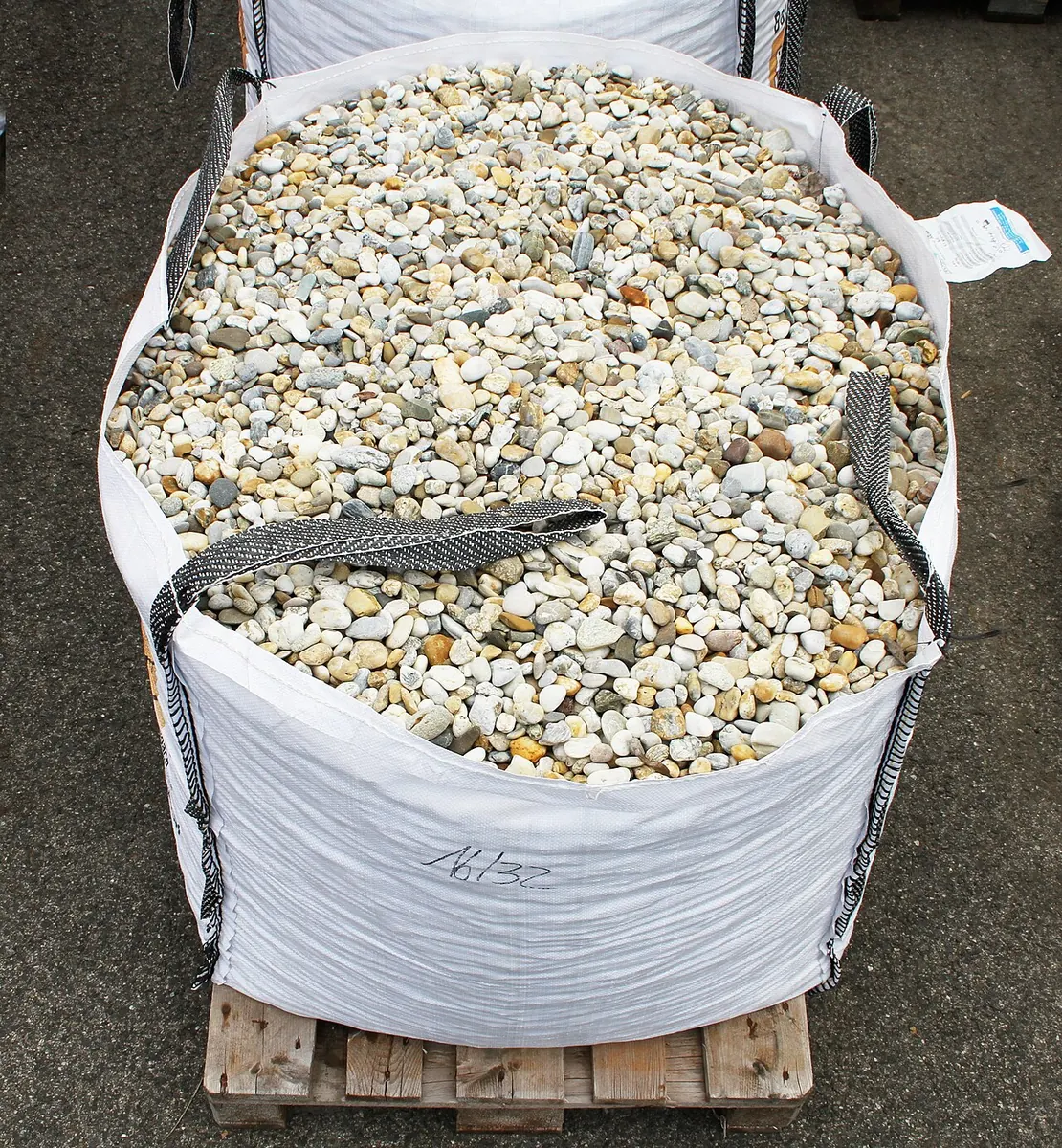
Woven PP sacks other than jumbo bags usually enter under HS 6305.33, sacks of polyethylene or polypropylene strip; a customs broker confirms it. Roptan quotes FOB Chattogram, with invoice, packing list by bale, bill of lading, certificate of origin, the reports ordered and, for food sacks, a food-contact declaration. EU importers may ask about recyclability under Regulation (EU) 2025/40, applying from 12 August 2026.
Questions buyers ask
What fabric weight should a 50 kg PP sack have?
No single figure applies. Two neighbouring-country standards for the same 50 kg cement sack differ: 79 g/m² from 2.5 mm tape at 10 x 10 per inch, or at least 63 g/m² from 3.0 mm tape at 8 x 8. Approve a sample at your weight.
Can PP woven sacks be used for rice, flour or sugar sold in Bangladesh?
The Mandatory Jute Packaging Act 2010 and its rules require jute packaging for listed goods sold in Bangladesh, among them rice, wheat, maize, sugar, flour, pulses, fertiliser and poultry and fish feed; cement is not listed. The Rules also say exported goods may be packed as the importing country requires. Confirm the rule for your goods with Roptan before ordering.
Do PP woven sacks need a UV stabiliser?
Yes, if they will see the sun: polypropylene degrades outdoors, with cracks and crazing. One neighbouring-country standard asks for at least 50 percent of the original breaking strength after UV exposure; the report should name the method, such as ISO 4892-2 or 4892-3, and the hours.
How do I compare quotes for PP woven sacks?
Put every quote on one construction: size, tape, mesh, fabric, coating, film, sack mass, ash, UV, seams and print. Sack mass and ash reveal lighter fabric or more filler. We found no BSTI standard for PP woven sacks, so your written construction is the yardstick.
How soon will I hear back about FIBC jumbo bags and woven sacks?
Within 48 hours of a complete requirement, with a price and a delivery date. A requirement is complete when it has the quantity, where it is needed and by when.
Who do I deal with?
With Roptan, when Roptan manages the order: we buy from the verified seller and deliver to you. With the supplier directly, when you post on the requirement board and choose a quote yourself.