Managed sourcing from Bangladesh, for export and for buyers at home
Get it sourced

Yarn, jute and textiles · FIBC jumbo bags and woven sacks

Cement and fertiliser bag manufacturer in Bangladesh

Filling cement or fertiliser in 50 kg sacks? Send the product, packer type, sack and valve size, lamination, print and quantity. Roptan orders from a verified cement and fertiliser bag manufacturer in Bangladesh, checks sacks from your lot, and delivers to your plant.

  • Verified sellers
  • Checked before it ships
  • Delivered by Roptan

Get cement and fertiliser bags sourced

Prefer to deal with suppliers yourself? Post it on the requirement board

Buying cement and fertiliser bags in Bangladesh

PP woven sacks for cement and fertiliser usually hold 50 kg and are built around the filling line. Neighbouring-country cement sack standards describe valve sacks, closed at both ends and filled through a valve by a packing machine. Fertiliser sacks come laminated or plain, with or without a loose liner, and filled sacks are drop tested.

A cement and fertiliser bag manufacturer in Bangladesh has to match your packer and, for fertiliser, the label law. Roptan sources from verified mills, writes valve size, perforation, coating and print into the order, has filled sacks drop tested, and delivers to your plant or ships. You deal with Roptan only.
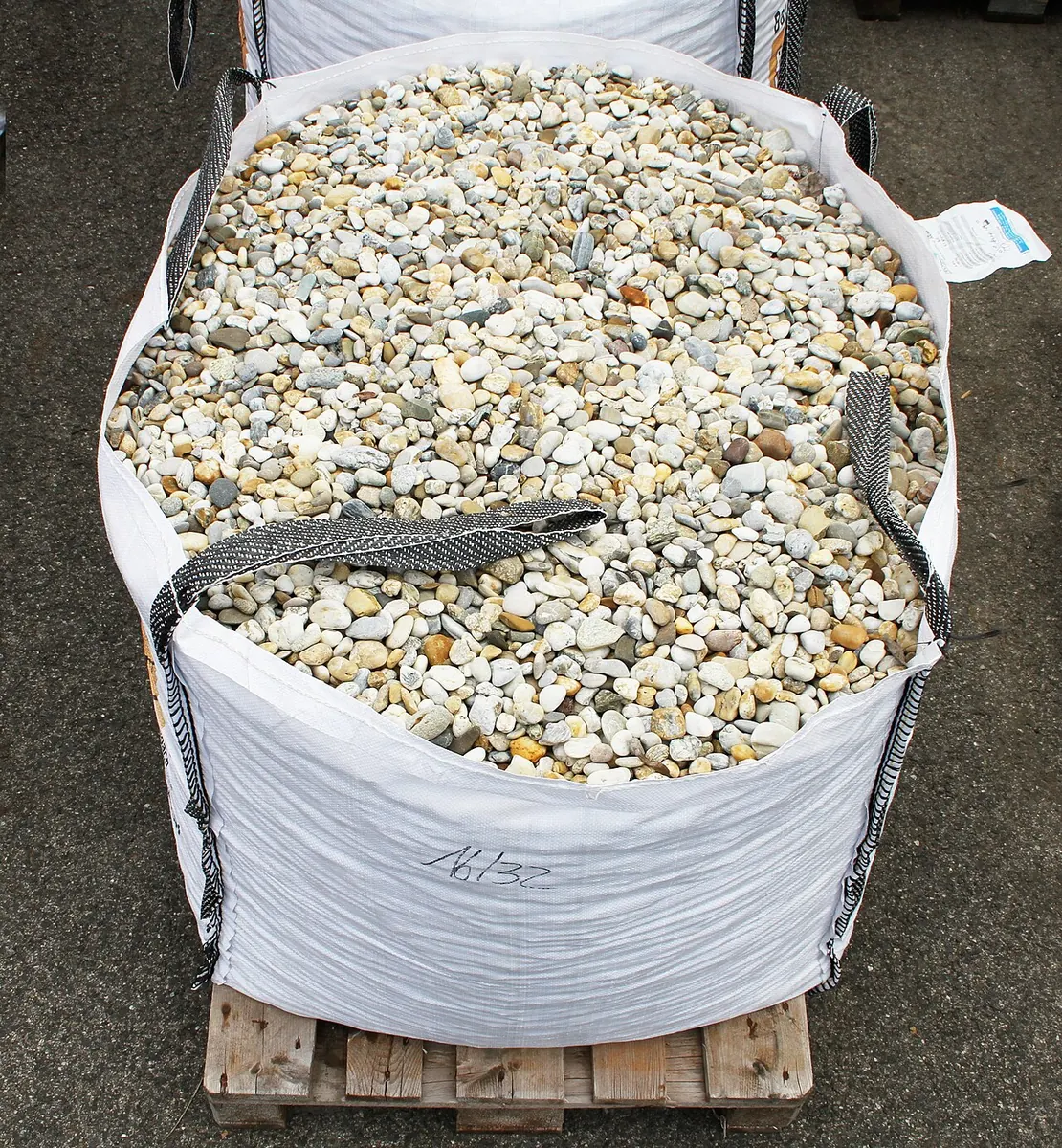
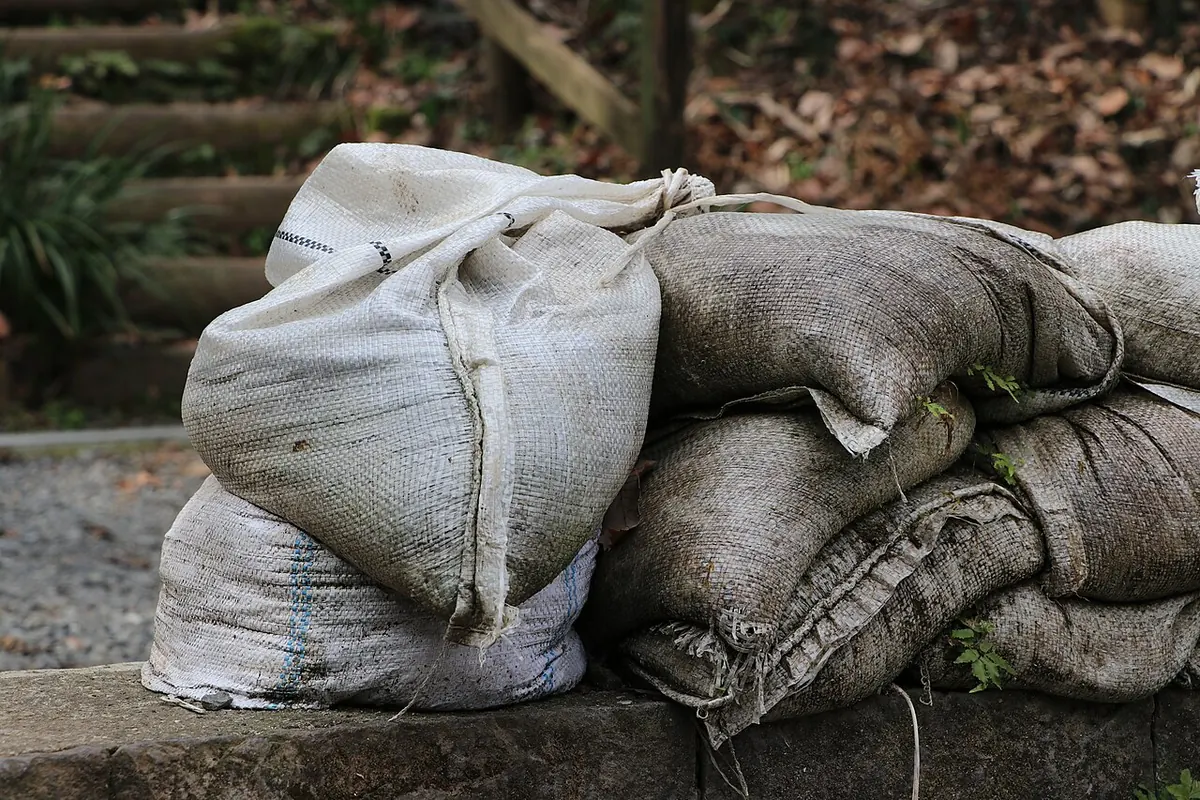
Kinds of cement and fertiliser bag

Stitched valve sacks

A laminated tube closed at both ends by stitching, with a filling valve at a top corner, perforated so air escapes during filling. Choose it for cement on a valve packer.

Block-bottom valve sacks

Laminated PP woven sacks with a block bottom and a valve, covered by their own neighbouring-country standard. Choose it when your packer is set up for it, and ask for air permeability.

Open-mouth fertiliser sacks

Laminated or plain sacks closed at the bottom and filled through a specified mouth, with or without a loose film liner. Choose it for fertiliser lines that weigh and close each sack.

UN-marked sacks

Woven plastic bags of a tested, approved design (5H1, 5H2 or 5H3) for fertilisers that are dangerous goods, such as ammonium nitrate types. Choose it when the safety data sheet gives a UN number.

How to brief a cement and fertiliser bag manufacturer in Bangladesh

Sack and valve size
Inside length, width, gusset, and valve width and depth; one neighbouring-country standard sets 710 x 480 mm with a 100 mm valve for 50 kg of cement.
Perforation
For laminated valve sacks, the perforation and the tested air permeability in m³/h at 50 mbar; Nepal's standard asks for 70 to 100 m³/h.
Fabric, coating and mass
Fabric g/m², coating g/m², any BOPP film, and sack mass in grams with its tolerance, which also sets the bale weight.
UV and ash
Outdoor stacks need a UV stabiliser and a named retained-strength test; not every sack standard includes one. Set an ash limit too.
Liner
For fertiliser, the liner film, thickness, fit and bottom seam, and whether it is loose.
Print and label
Colours and artwork; for fertiliser, every item the Fertilizer Management Act 2006 requires on the bag or its label.

Laws and standards for cement and fertiliser sacks

Fertilizer Management Act 2006
Section 13 sets what a fertiliser bag or its label must state; section 19 makes a pack more than 0.50 percent under its labelled weight a breach.
BSTI mandatory certification
Cement (BDS EN 197-1:2023) and urea (BDS 217:2011) need BSTI certification as products. BSTI lists jute sack standards for both; we found no BSTI standard for PP woven sacks.
Neighbouring-country sack standards
India's IS 11652, IS 16709 and IS 9755 and Nepal's NS 592 set constructions and tests for these sacks: useful examples, not Bangladesh rules.

What moves the price of cement and fertiliser bags

  • Polymer, largely imported at world prices, so its rises lift the maker's cost.
  • Sack mass: fabric weight, tape denier and coating weight set the grams of resin per sack.
  • BOPP film, UV masterbatch and the perforation needed for valve filling.
  • A loose liner for fertiliser, and the number of print colours.

Lead times and delivery

Time depends on what must be proven. A repeat sack moves faster than a new valve size needing trial fills on your packer, new print cylinders, or new fertiliser artwork to check against the label law. Drop tests and quantity count too. Roptan confirms the sample and dispatch dates and the minimum per design in the quote.

Bales usually hold 350 to 500 sacks, wrapped in woven fabric or hessian and marked with type, size, count and weight. Roptan delivers to your cement mill or fertiliser plant anywhere in Bangladesh with the packing list, test reports and a VAT invoice (Mushak 6.3). Store bales under cover.

Buying cement and fertiliser bags for export

Woven PP cement and fertiliser sacks usually enter under HS 6305.33. Roptan quotes FOB Chattogram with the construction sheet, drop test and air permeability reports and, for dangerous fertilisers, the UN design certificate. Where you export bagged fertiliser, your importer confirms the label and packing rules of the destination.

What we check for this order

  • Valve and size against your packerValve width and depth and sack size measured against the drawing, so the sacks fit your packer's spout.
  • Drop test with your productFilled sacks dropped from the agreed height and pattern, with your product or a same-density filler, and no rupture allowed.
  • Air permeability and ashThe lab report for air permeability on perforated sacks and for ash content, against the limits in the order.
  • Label proof and bale weightFertiliser artwork checked item by item against section 13 before printing, and bales weighed against count times sack mass.

Questions buyers ask

Do cement and fertiliser have to be packed in jute in Bangladesh?

The Mandatory Jute Packaging Act 2010 and its rules require jute packaging for listed goods sold in Bangladesh; fertiliser is on the list and cement is not. So PP cement sacks are not caught by this Act. The Rules also say exported goods may be packed as the importing country requires. Confirm the rule for your goods with Roptan before ordering.

What must a fertiliser bag label show in Bangladesh?

Section 13 of the Fertilizer Management Act 2006 asks for, in clear Bangla or English: the fertiliser's name, nutrient names and percentages, net weight, maker and country, guaranteed analysis, the importer's name, address and registration number, production date and maximum retail price. Roptan checks your artwork against this list before printing.

How does the 0.50 percent rule affect sack choice?

Under section 19, a fertiliser pack more than 0.50 percent under its labelled weight is a breach: 250 g on a 50 kg sack. The Act's net weight excludes the sack, so if your packer weighs gross, fix sack mass and its tolerance in the order and check bales against it.

How are cement sacks drop tested?

In Nepal's standard, sacks filled with the intended product or a same-density material drop from 1.8 m: twice on the face, twice on the back and once on each edge, with no rupture or loss of contents. One buyer's specification drops from 3 m, so agree the height.

How soon will I hear back about FIBC jumbo bags and woven sacks?

Within 48 hours of a complete requirement, with a price and a delivery date. A requirement is complete when it has the quantity, where it is needed and by when.

Who do I deal with?

With Roptan, when Roptan manages the order: we buy from the verified seller and deliver to you. With the supplier directly, when you post on the requirement board and choose a quote yourself.

Other FIBC jumbo bag products

Each product type has its own page as it is published; until then its card opens the category form.

All FIBC jumbo bags and woven sacks