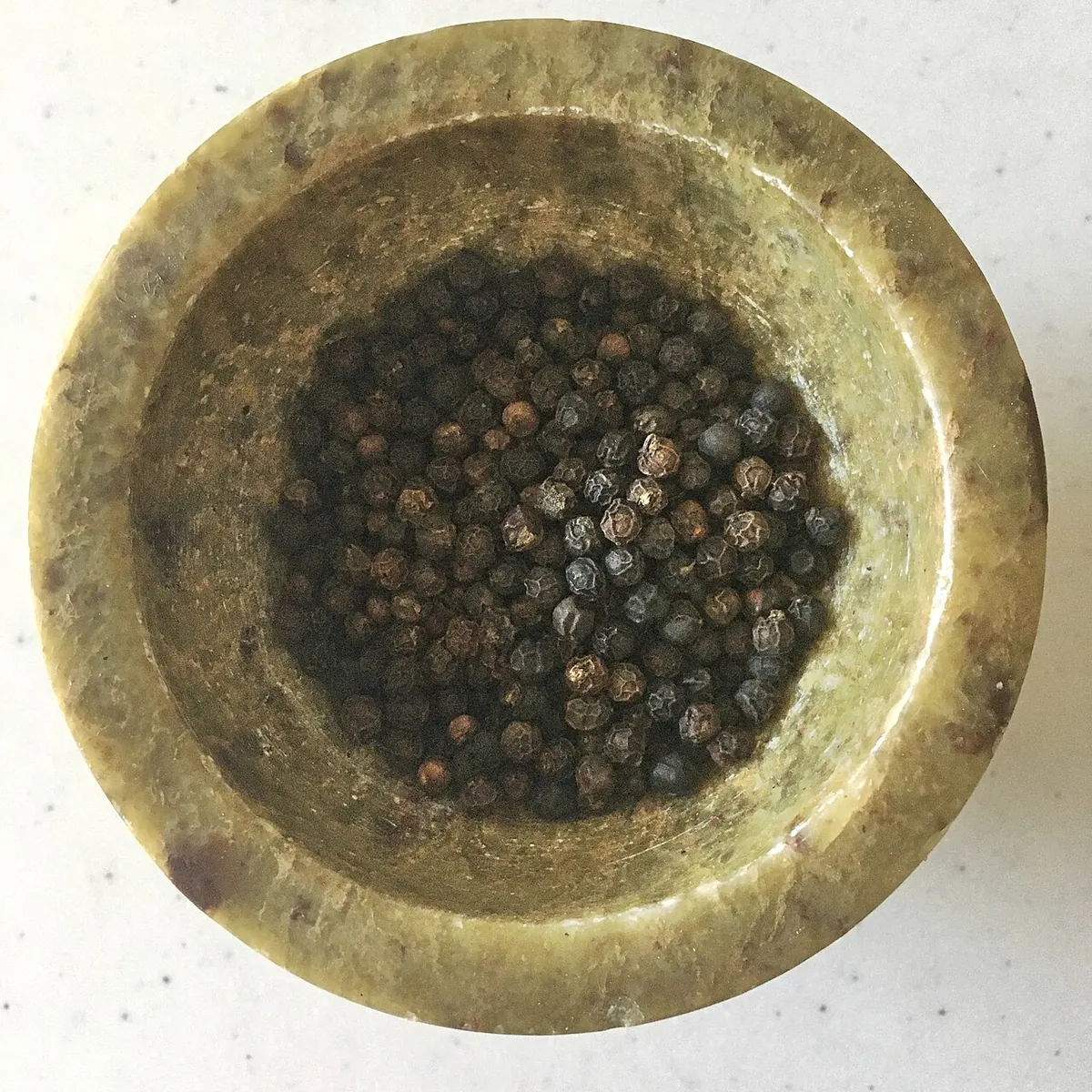
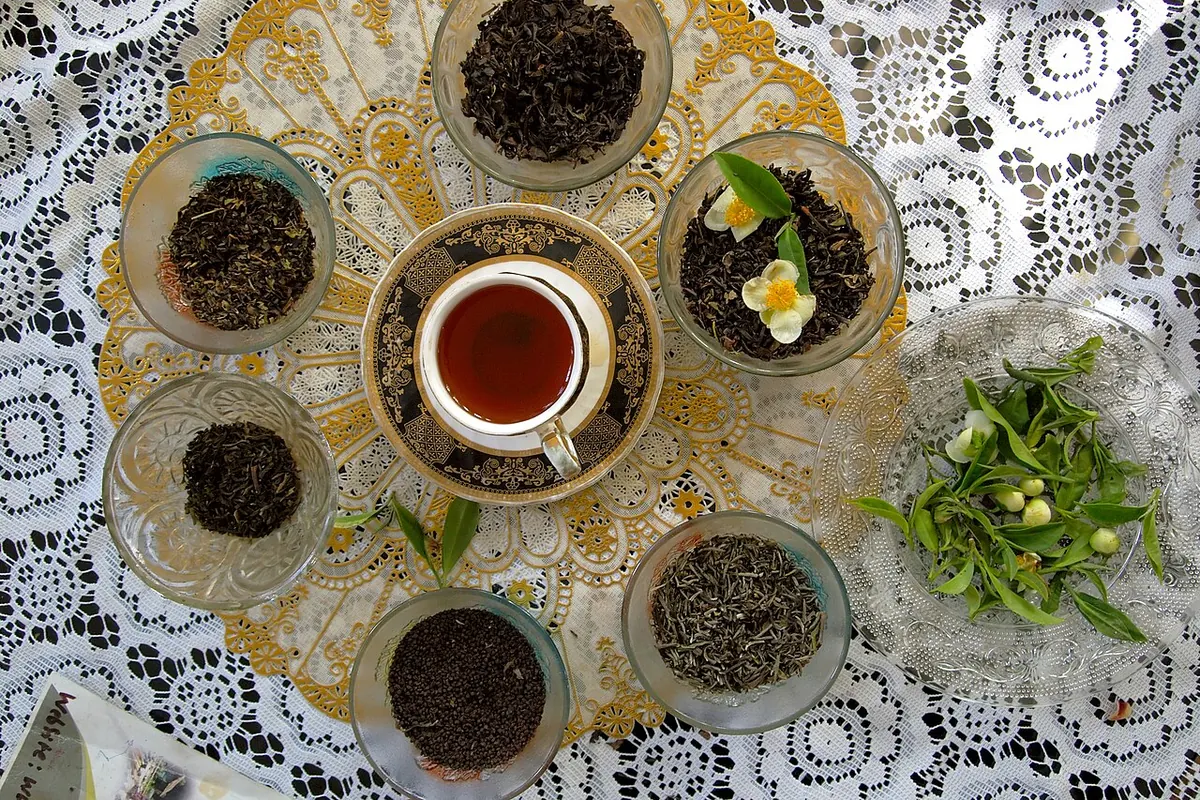
Buying mixed spices in Bangladesh
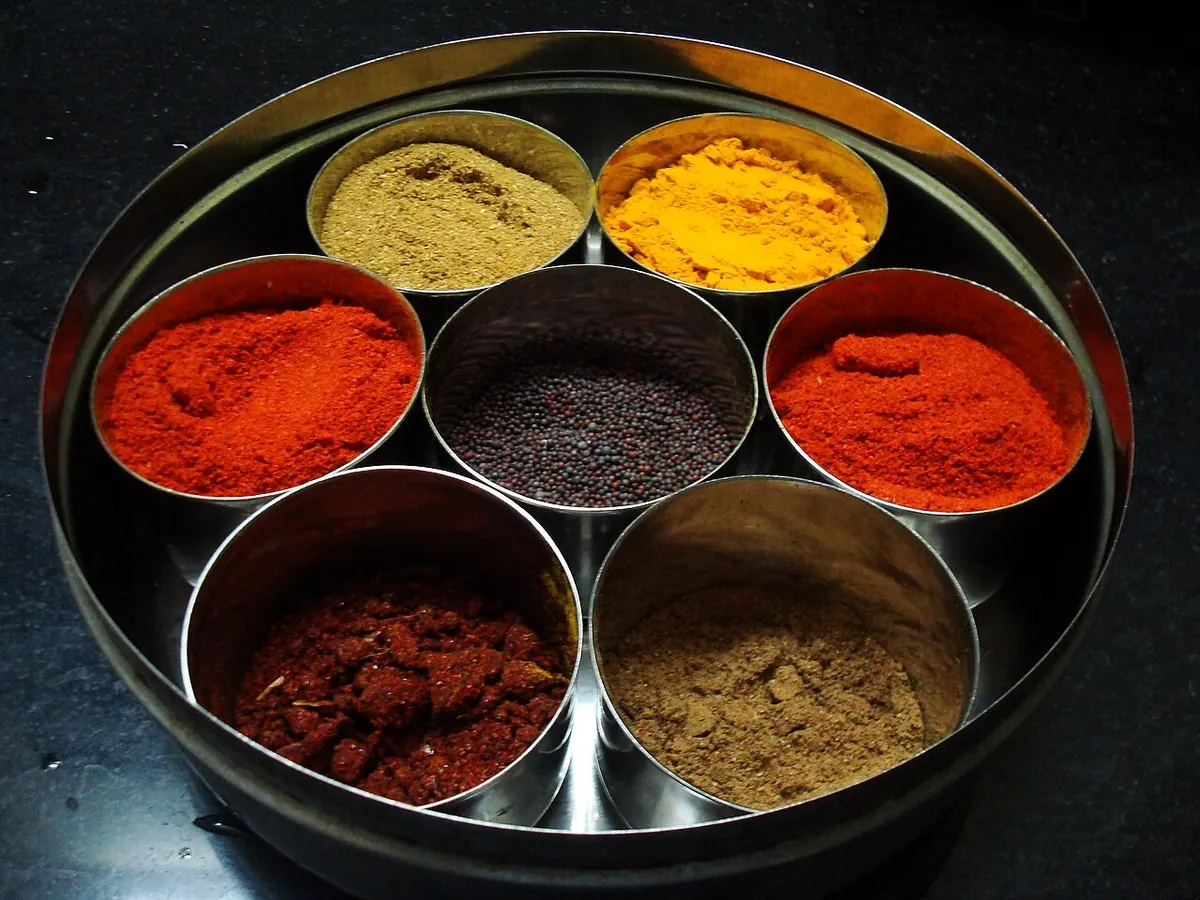
A mixed spice is a dry blend made to one recipe. Curry powder is usually built on coriander, turmeric, cumin and chilli; garam masala changes from region to region. Food makers, caterers and retailers in Bangladesh buy blends in bulk. Importers abroad mostly buy consumer packs: almost all the spice mixtures Bangladesh exported in FY2025-26 were in packs of 2.5 kg or less.
A mixed spice exporter in Bangladesh has two jobs: keep the recipe steady and keep every ingredient clean. Roptan sources from verified grinders and packers, writes the recipe, tests and pack into the order, reads the lab report on each lot and compares the lot with your reference sample before it leaves.
How to brief a mixed spice exporter in Bangladesh
- Recipe and names
- List each ingredient with its Latin name as given in ISO 676, so cassia is not swapped for cinnamon, and give each share, or seal a reference sample.
- Grind and roast
- Fine powder, coarse grind or whole; the particle size; and whether spices are roasted first, since roasting changes colour and aroma.
- Moisture and cleanliness
- Set limits with the method named: ISO 939 for moisture, ISO 928 and ISO 930 for total and acid-insoluble ash, ISO 927 for extraneous matter.
- Aroma
- A volatile oil value by ISO 6571 shows whether the seed and bark spices kept their aroma through grinding and storage.
- Microbiology
- Salmonella by ISO 6579-1 and yeasts and moulds by ISO 21527-2 on each lot, with the treatment of each ingredient stated.
- Market limits
- Name your destination. Contaminant limits usually follow the ingredients, so a blend holding chilli or turmeric is tested much as those spices are.
Tests and licences for spice blends
- ISO 948 and ISO 2825
- How a spice lot is sampled and how the ground sample is prepared. A report describes only what was sampled, so ask which method was used.
- BSTI CM licence
- Curry powder is on BSTI's mandatory certification list. A Bangladeshi packer selling it at home needs the CM licence, valid three years after a factory inspection and lab tests.
- Regulation (EU) 2023/915
- EU aflatoxin limits are usually written to cover mixes that contain chilli, pepper, ginger, nutmeg or turmeric, and an ochratoxin A limit covers spice mixtures. Test the blend against them.
Lead times and delivery
No fixed lead time can be given for spice blends. A first order under your own label takes longer, because the trial batch, artwork and printed film are approved first; repeat orders of an agreed recipe move faster. Imported ingredients out of stock and lab tests on each lot add time. Roptan confirms the dates and the minimum order in the quote.
Inside Bangladesh, Roptan delivers blends to food makers, caterers, restaurants and retailers in sealed cartons or lined sacks marked with the lot and packing date. You receive the packing list, the lab reports you ordered and a VAT invoice (Mushak 6.3).
Buying mixed spices for export
Roptan quotes blends FOB Chattogram, or CFR or CIF to your port, with samples by air from Dhaka. Agree the label language, ingredient list and date marking before film is printed. Documents: commercial invoice, packing list, bill of lading, a REX origin statement for EU GSP where it applies, and the lot's lab reports.
Questions buyers ask
Can you match the curry powder we sell now?
Usually, yes. Send a sealed sample and the ingredient list if you have it; you approve a trial batch before bulk. A curcumin test cannot confirm the match, because curry powder carries far less curcumin than turmeric, so recipe, colour, aroma and grind are compared instead.
How long does a ground blend keep?
Roughly six months, against about two years for whole spice, because grinding exposes more surface to air and aroma is lost faster. The packing date and the barrier of the pack therefore matter more for a blend. For long routes, pack close to shipment in a barrier pouch or lined carton.
Why test a dry blend for Salmonella?
Because spices can carry it: a US regulator's sampling of spice shipments in 2007 to 2009 found Salmonella in about 7 percent of them, and some ingredients, pepper in particular, are often eaten uncooked. A blend is only as safe as its least-treated ingredient, so ask for a result on each lot and how each ingredient was treated.
Is a Bangladeshi blend made only from local spices?
Not always. Bangladesh was reported in 2023 to import about 15 percent of the spices it uses, and cumin and pepper are largely imported, so a blend often mixes local and imported ingredients. Roptan asks the seller for the origin of each one before ordering.
How soon will I hear back about spices and tea?
Within 48 hours of a complete requirement, with a price and a delivery date. A requirement is complete when it has the quantity, where it is needed and by when.
Who do I deal with?
With Roptan, when Roptan manages the order: we buy from the verified seller and deliver to you. With the supplier directly, when you post on the requirement board and choose a quote yourself.