Buying dried chilli and chilli powder in Bangladesh
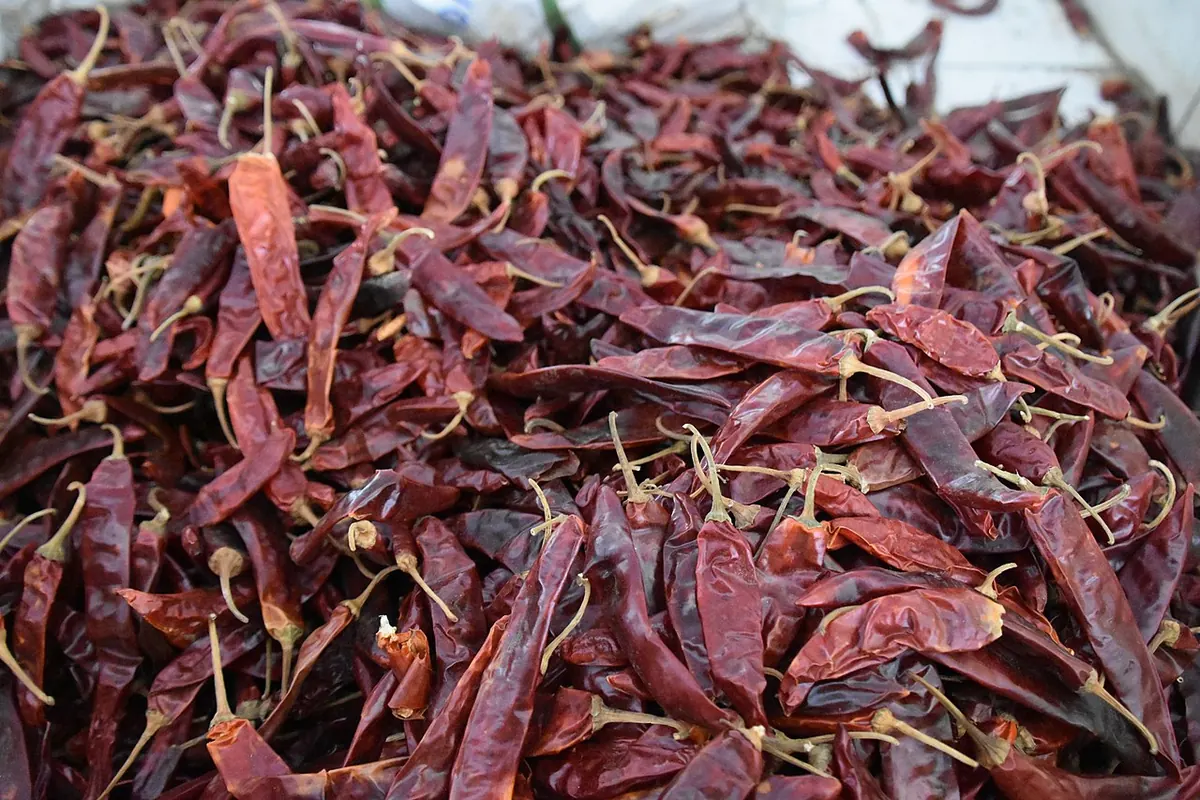
Dried chilli is the dried fruit of the capsicum plant, traded whole, as flakes or as powder. Bangladesh is a large grower: FAO figures for 2024 reportedly place it beside China and Thailand, each above 300,000 tonnes of dry chillies and peppers. Spice packers, food makers and caterers buy at home, and in FY2025-26 about two thirds of the country's capsicum exports went whole rather than ground.
A dried chilli and chilli powder exporter in Bangladesh should sell heat and colour by number and prove the lot is clean. Roptan sources from verified processors, writes the heat, colour and contaminant limits into the order, has each lot tested by an accredited lab and checks the pack before loading.
How to brief a dried chilli and chilli powder exporter in Bangladesh
- Form
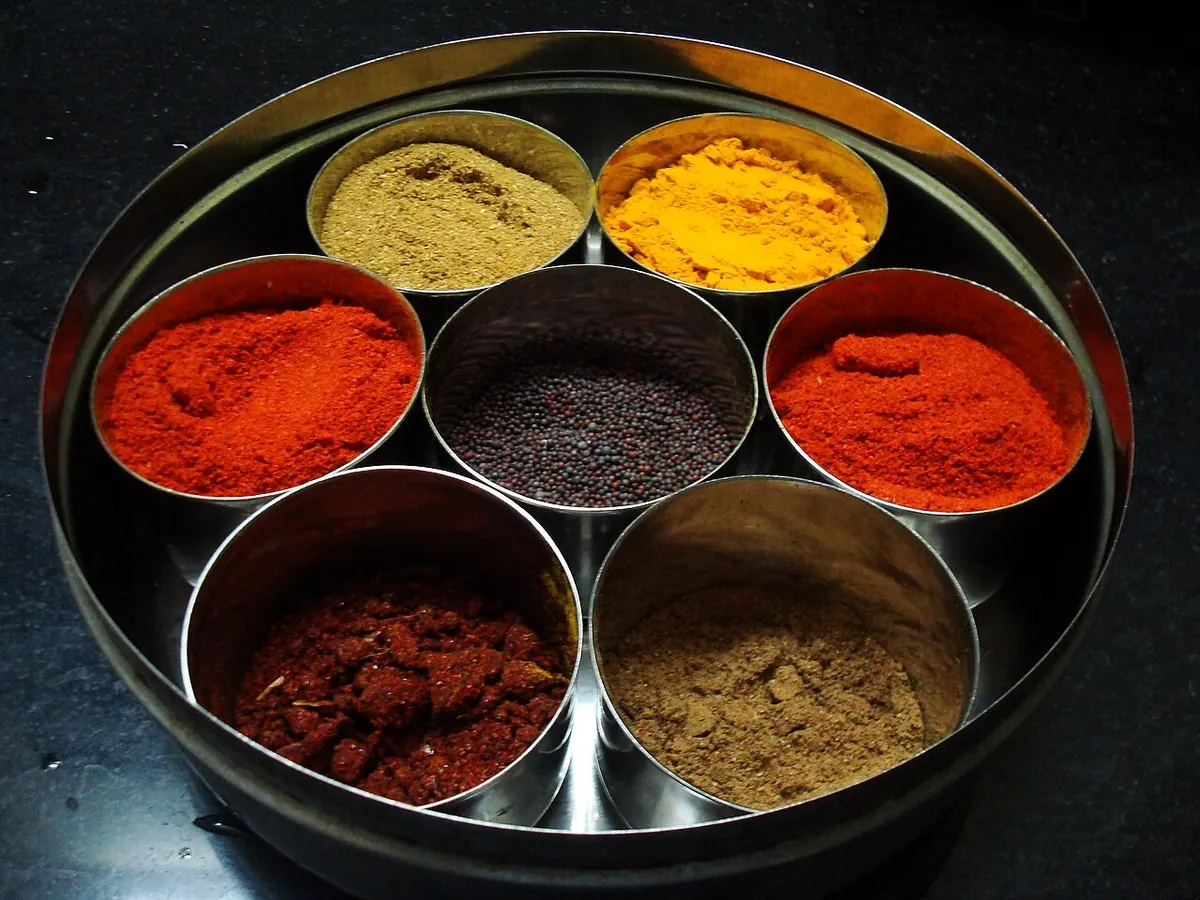
- Whole with or without stems, flakes or powder, with the particle size for flakes and powder.
- Heat
- Scoville heat units with the method named: the ISO 3513 Scoville index, or HPLC for capsaicinoids, which is regarded as more reliable.
- Colour
- Extractable colour by ISO 7541 or by the ASTA method, as a minimum with the method named, not a colour name.
- Moisture
- A maximum by ISO 939 and a barrier pack, because damp chilli in humid storage is where aflatoxin grows.
- Cleanliness
- Extraneous matter by ISO 927 and acid-insoluble ash by ISO 930, since drying on the ground lets soil and insects in.
- Contaminants
- Aflatoxins, ochratoxin A, Sudan dyes and Salmonella, each against your market's limits.
Standards and tests for chilli
- ISO 972
- The ISO specification for chillies and capsicums, whole or ground, last revised in 1997. Use it as a base and add your heat and colour limits.
- ISO 7540
- The 2020 specification for ground sweet and hot paprika, which replaced the 2006 edition. Useful where your market sells red chilli powder as paprika.
- BSTI CM licence
- Chilli powder is on BSTI's mandatory list; whole dried chilli is not. A Bangladeshi processor selling powder at home needs the CM licence, valid three years.
- Regulation (EU) 2023/915
- Holds the EU aflatoxin and ochratoxin A limits for chilli. Capsicum usually has its own ochratoxin A row, higher than for other spices, so test against the right one.
- ESA Quality Minima
- European Spice Association minima for chilli on a dry basis: total ash at most 10 percent, acid-insoluble ash 1.6 percent and moisture 11 percent. Write them in when your market follows ESA.
Lead times and delivery
No fixed lead time can be given for dried chilli. Whole pods already dried and in store move faster than powder ground to your heat and colour, and retail packs take longer because artwork and printed film come first. A lot that fails a mycotoxin or dye test has to be replaced and tested again. Roptan confirms the dates and the minimum order in the quote.
Inside Bangladesh, Roptan delivers chilli to spice packers, food makers, restaurants and hotels in lined sacks or cartons labelled with the lot. You receive the packing list, the lab reports you ordered and a VAT invoice (Mushak 6.3). Damp chilli moulds, so it is kept dry in transit.
Buying dried chilli and chilli powder for export
Roptan quotes chilli FOB Chattogram, or CFR or CIF to your port, with samples by air from Dhaka. Capsicum exports sit under HS 0904.21 when dried whole and 0904.22 when crushed or ground; heading 0904 also holds pepper, so your customs broker confirms the line. Documents: commercial invoice, packing list, bill of lading, a REX origin statement for EU GSP where it applies, and the lab reports.
Questions buyers ask
Why name the method for Scoville heat?
Because results depend on it. The original Scoville test is a tasting panel, and its results can differ by up to about half between labs; HPLC measures capsaicinoids directly. Cayenne is typically 25,000 to 50,000 SHU and bird's eye 50,000 to 100,000. Agree one method for the sample and the bulk.
Why do importers ask for a Sudan dye test?
Sudan I was once used to colour curry and chilli powder, and the EU acted against chilli products carrying it from 2003 after repeated alerts. Importers therefore often ask for a Sudan dye report on each lot of chilli powder and spice blends.
Why is aflatoxin a risk in chilli?
The moulds that make aflatoxin grow in warm, damp conditions, fastest at around 27 to 30 degrees C, and long spells of high humidity during drying or storage raise the risk. Chilli is among the crops regularly affected, so moisture at packing and a barrier pack are the first controls.
Is the chilli grown in Bangladesh?
Often, yes, since Bangladesh is a large grower of dry chilli. Spices are also imported, and the wholesale trade runs through markets such as Khatunganj in Chattogram, so the origin of a lot is not obvious. Ask the seller to state the origin of your lot; Roptan asks for it before the order is placed.
How soon will I hear back about spices and tea?
Within 48 hours of a complete requirement, with a price and a delivery date. A requirement is complete when it has the quantity, where it is needed and by when.
Who do I deal with?
With Roptan, when Roptan manages the order: we buy from the verified seller and deliver to you. With the supplier directly, when you post on the requirement board and choose a quote yourself.