Managed sourcing from Bangladesh, for export and for buyers at home
Get it sourced

Food and agro · Spices and tea

Coriander and cumin exporter in Bangladesh

Buy whole or ground coriander and cumin through Roptan, your coriander and cumin exporter in Bangladesh. Name the form, aroma and cleanliness limits, pack and market: we source from a verified seller, have each lot tested, then ship or deliver it.

  • Verified sellers
  • Checked before it ships
  • Delivered by Roptan

Get coriander and cumin sourced

Prefer to deal with suppliers yourself? Post it on the requirement board

Buying coriander and cumin in Bangladesh

Coriander and cumin are seed spices at the base of curry powder, sold whole or ground. Bangladesh grows little or no cumin: a 2025 tariff commission report put demand at about 60,000 tonnes a year, with about 34,000 tonnes imported legally in FY2023-24. Even so, the country exports cumin, most of it ground in packs of 2.5 kg or less, while its coriander exports are mostly whole seed in bulk.

A coriander and cumin exporter in Bangladesh has to answer two questions: where the seed came from, and how much aroma it still holds. Roptan sources from verified sellers, asks the origin of every lot, writes volatile oil, moisture and cleanliness limits into the order and has an accredited lab test the lot before it ships.
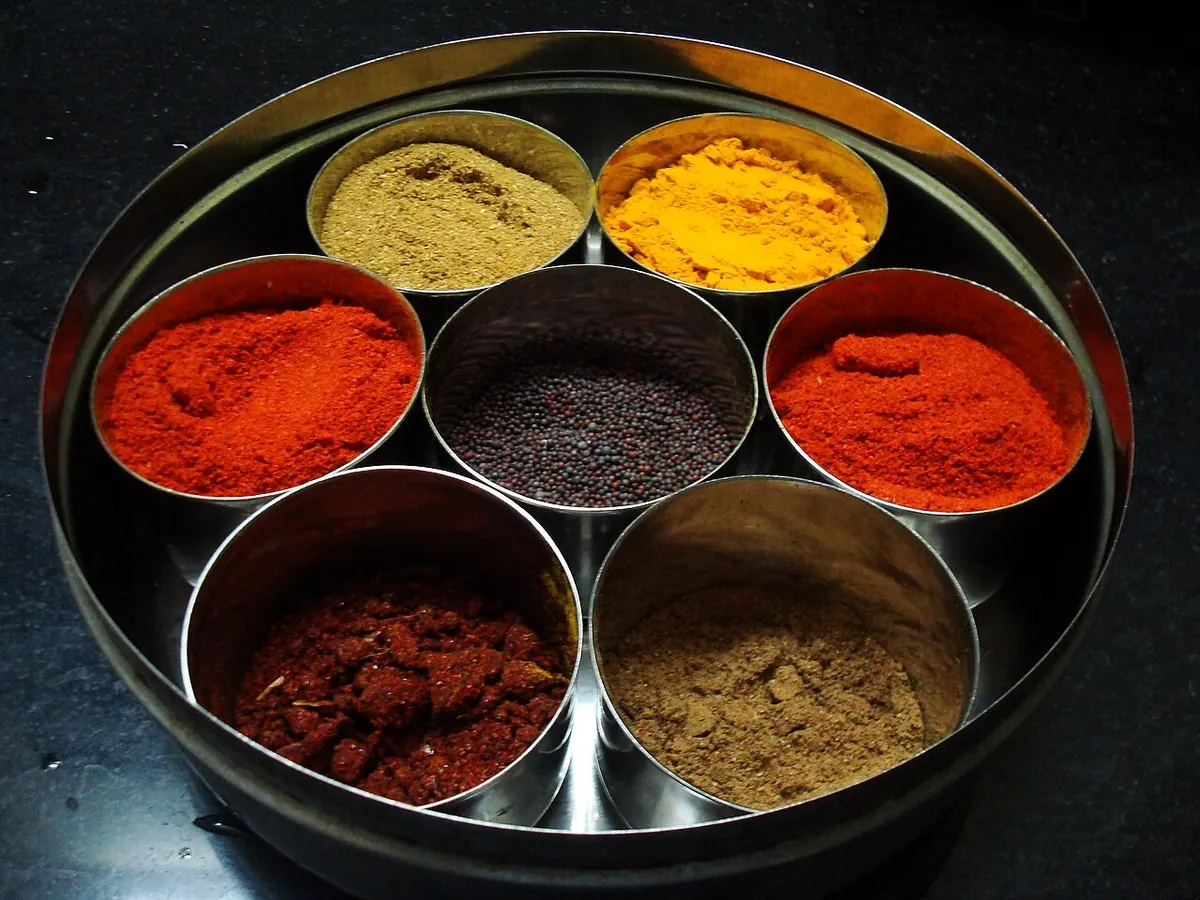
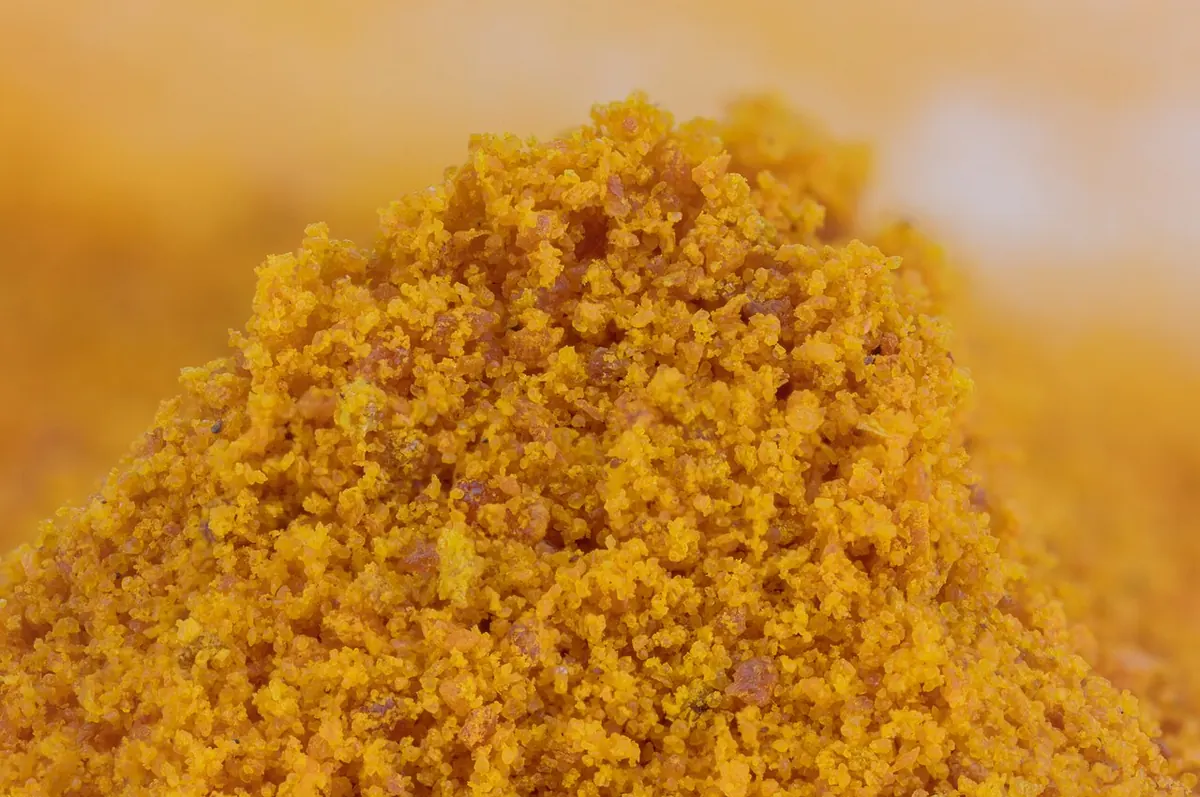
Kinds of coriander and cumin

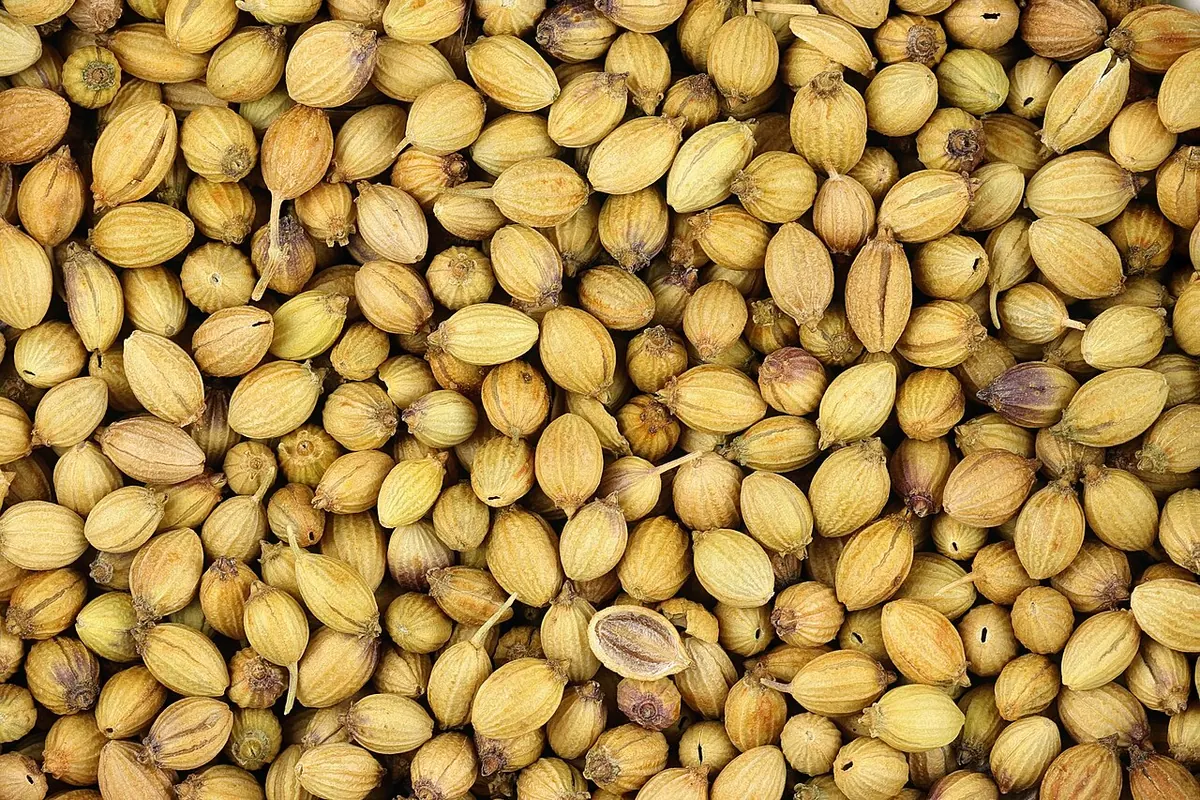
Whole coriander seed

Dried round fruits, the usual form for blending and for grinding close to use. Large-fruited types are the common blending kind and are lower in volatile oil than small-fruited types grown for oil.

Ground coriander

Coriander loses flavour quickly once ground. Choose powder for ready use in packs and kitchens, and ask for a recent grind date and a barrier pack.

Whole cumin seed

The form ISO 6465 is written for. Choose whole cumin for tempering, blending and longer storage, since whole spice keeps for roughly two years.

Ground cumin

The form most of Bangladesh's cumin exports take, in small retail packs. Choose it for retail and food service, and set your own limits, since the ISO cumin specification covers whole seed.

How to brief a coriander and cumin exporter in Bangladesh

Species and form
Coriandrum sativum or Cuminum cyminum, whole or ground, the particle size for powder, and raw or roasted seed.
Aroma
A volatile oil minimum by ISO 6571. Coriander's fragrance comes largely from linalool; cumin's mainly from cuminaldehyde, cymene and terpenoids.
Moisture
A moisture maximum by ISO 939, and a barrier pack for powder.
Cleanliness
Extraneous matter by ISO 927 and acid-insoluble ash by ISO 930, the test that shows sand and soil in seed.
Origin
The country of origin of each lot. Cumin is imported, and coriander's source should be stated too, not assumed.
Microbes and contaminants
Salmonella by ISO 6579-1, yeasts and moulds by ISO 21527-2, and the contaminant limits of your market.

Specifications and tests for seed spices

ISO 2255
The 1996 specification for coriander, whole or ground. Buy the text or ask the seller for it, and attach the clauses you rely on to the contract.
ISO 6465
The 2009 specification for cumin, written for whole seed. For ground cumin, write your own moisture, ash and volatile oil limits.
BSTI CM licence
Coriander powder and cumin powder are both on BSTI's mandatory list. A Bangladeshi packer selling either at home needs the CM licence, valid three years.
EU contaminant limits
Regulation (EU) 2023/915 usually applies its seed spice lead limit and an ochratoxin A limit to both, and EU rules set a pyrrolizidine alkaloid limit for cumin seed.
ESA Quality Minima
European Spice Association minima, dry basis. Coriander seed: ash at most 7 percent, acid-insoluble ash 1.5, moisture 12, volatile oil at least 0.6 ml per 100 g for small-fruited seed, traces for large-fruited. Cumin: ash 14, acid-insoluble ash 3, moisture 13, volatile oil 1.5.

What moves the price of coriander and cumin

  • Aroma and purity: higher volatile oil and cleaner seed usually cost more.
  • Origin: for imported cumin, the source country usually moves the price.
  • Form: ground seed in retail packs costs more per kilogram than whole seed in bulk.
  • Cleaning and sorting: removing stones, dust and other seeds adds cost.
  • Testing: each lot test you ask for adds to the cost.

Lead times and delivery

No fixed lead time can be given for coriander or cumin. Whole seed in store moves faster than a fresh grind to your particle size and pack. Imported cumin depends on what has landed, and retail packs wait for artwork and printed film. Lab results must be back before loading. Roptan confirms the dates and the minimum order in the quote.

Inside Bangladesh, Roptan delivers seed and powder to spice packers, food makers, restaurants and hotels in lined sacks or cartons marked with the lot and grind date. You receive the packing list, the lab reports you ordered and a VAT invoice (Mushak 6.3).

Buying coriander and cumin for export

Roptan quotes FOB Chattogram, or CFR or CIF to your port, with samples by air from Dhaka. Coriander ships under HS 0909.21 whole or 0909.22 ground, cumin under 0909.31 whole or 0909.32 ground; your broker confirms the line. Documents: commercial invoice, packing list, bill of lading and lab reports. Under EU GSP the exporter declares origin through the REX system; ask how imported cumin seed stands under the origin rules before you count on the preference.

What we check for this order

  • Origin of the seedWe ask the country of origin of each lot and, for cumin, the import papers behind it.
  • Aroma and grind dateWe read the volatile oil result and the grind date against your limits before the lot is packed.
  • Cleanliness per lotAn accredited lab tests extraneous matter, acid-insoluble ash and moisture on your lot and names its sampling method.
  • Licence and packFor powder sold at home, the packer's BSTI CM licence; on every order, sealed packs with lot and date.

Questions buyers ask

Does Bangladesh grow its own cumin?

Little or none. A 2025 Bangladesh Trade and Tariff Commission report, as quoted in the press, put demand at about 60,000 tonnes a year, against about 34,000 tonnes imported legally in FY2023-24. India grows about 70 percent of the world's cumin. Ask for the origin of every lot.

Which keeps better, whole or ground seed?

Whole. Whole spice keeps for roughly two years and ground spice for about six months, and ground coriander loses flavour especially fast. If you have a mill, buy whole seed and grind close to use; if you buy powder, ask for the grind date and a barrier pack.

How is the aroma of coriander and cumin tested?

By volatile oil content, by hydrodistillation to ISO 6571. Large-fruited coriander used for blending is typically low in oil, about 0.1 to 0.4 percent, while small-fruited types grown for oil run higher. Agree the minimum on a sample before bulk, and test the bulk the same way.

Does roasting change the seed?

Yes. Dry-heating coriander seed lifts its flavour, aroma and pungency, which suits some blends. It also makes a different product from raw seed, so state raw or roasted in the order and approve a sample that was treated the same way.

How soon will I hear back about spices and tea?

Within 48 hours of a complete requirement, with a price and a delivery date. A requirement is complete when it has the quantity, where it is needed and by when.

Who do I deal with?

With Roptan, when Roptan manages the order: we buy from the verified seller and deliver to you. With the supplier directly, when you post on the requirement board and choose a quote yourself.

Other spice and tea products

Each product type has its own page as it is published; until then its card opens the category form.

All spices and tea