Managed sourcing from Bangladesh, for export and for buyers at home
Get it sourced

Water and wastewater · Wastewater treatment plant

Industrial treatment supplier in Bangladesh

Roptan works as your industrial treatment supplier in Bangladesh. Send the effluent analysis, the flow and where the water goes: we source effluent treatment plants and packages from verified sellers, check each offer against your limits and deliver to the factory.

  • Verified sellers
  • Checked before it ships
  • Delivered by Roptan

Get industrial treatment sourced

Prefer to deal with suppliers yourself? Post it on the requirement board

Buying industrial treatment in Bangladesh

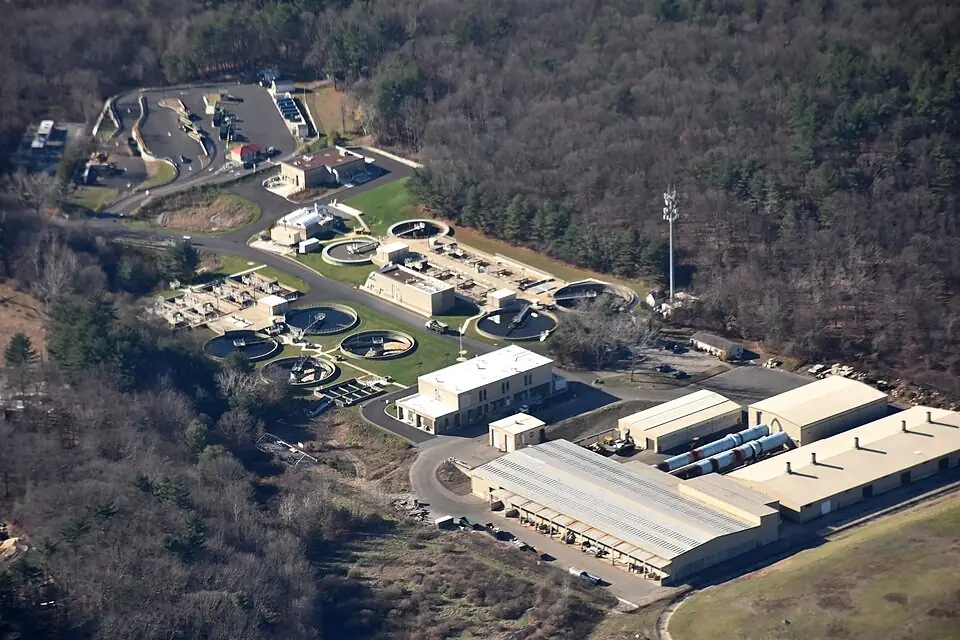
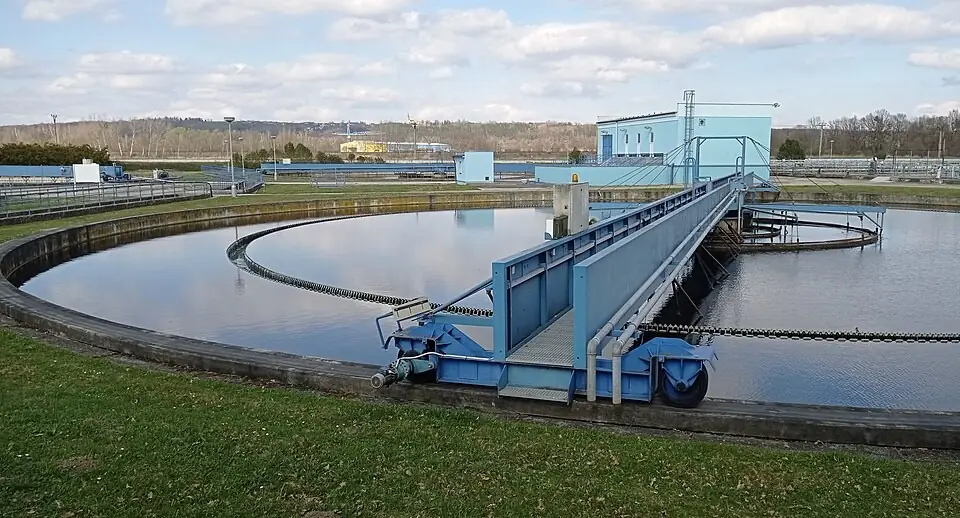
Industrial treatment means an effluent treatment plant, or ETP, built around one process: dyeing, washing, food, chemicals or a mix of tenants in a zone. Textile and garment effluent is usually treated in a chemical stage followed by a biological stage. Buyers are factory groups, zone developers and the contractors who build their plants.

An industrial treatment supplier in Bangladesh has to design to your effluent, not to a sewage load. We take your analysis and clearance conditions to verified sellers, check each offer covers every limit that applies, and deliver the equipment. The seller installs, commissions and proves it.
Kinds of industrial effluent plant

Chemical and biological ETPs

Coagulation, flocculation and settling, then a biological stage. The usual layout for dyeing and textile mills, where sulfide, phenols and chromium would harm the biology if they reached it untreated.

Equalisation and pre-treatment

A basin that holds and blends batch discharges from dyeing or washing, so strong or toxic slugs do not upset the biological stage. Needed wherever discharge comes in batches.

Dissolved air flotation units

Micro bubbles lift oil, grease and light solids to the surface, often after coagulant dosing. Widely used on refinery, chemical and paper mill effluent.

Biological plants for food effluent

Food and agro effluent is biodegradable but strong in BOD and solids, and its strength shifts with the season. Size the equalisation tank and biology for the peak season.

Pre-treatment for a central plant

In a zone with a central effluent treatment plant, a unit may only need to treat to the public sewer limits. The zone's rules decide whether a full ETP is still required.

How to brief an industrial treatment supplier in Bangladesh

Effluent analysis
BOD, COD, suspended solids, oil and grease, pH and metals such as chromium, from composite samples over several days of normal production, with daily and hourly flow.
Discharge point
Inland surface water, a public sewer or the coast. The gazette lists BOD5 at 30 mg/L to inland water against 250 mg/L to a public sewer at the secondary stage.
Which schedule applies
Schedule 4 of ECR 2023 is the general industrial standard; some industry classes have their own standards under Schedule 5. Check the sector schedule before fixing the design limit.
Batch and seasonal peaks
List batch dumps, wash cycles and seasonal peaks, so the equalisation volume and the biology are sized for the worst day, not the average.
Sludge and its route
Expected chemical and biological sludge, the dewatering method you want and where the cake will go. Sludge is sampled to ISO 5667-13:2011.
Reuse target
If treated water goes back into the process, say for what use. Minimal liquid discharge cuts discharge but leaves a brine to manage.

Approvals and test methods for an ETP

ECR 2023 Rule 33 and Schedule 12
Before building, the factory applies to the Department of Environment with a 1:200 layout, flow diagram, raw and treated quality and signed calculations, then builds to the approved drawings.
ECR 2023 categories
Projects are classed Green, Yellow, Orange or Red by activity and pollution, which sets the clearance route. Confirm your current category with the Department of Environment.
EN 12255-13:2023
The European part on chemical treatment by precipitation and flocculation; Part 12:2024 covers control and automation and Part 16:2021 physical filtration. Earlier editions are withdrawn.
Acceptance test methods
Sample to ISO 5667-10:2020; test BOD to ISO 5815-1:2019, suspended solids to EN 872:2005 and COD to ISO 15705:2002, since ISO 6060 was withdrawn in December 2023.

What moves the price of industrial treatment

  • How much chemical treatment the effluent needs: coagulant and flocculant dosing, and the extra sludge it makes.
  • The discharge point: surface water limits ask far more of the plant than the public sewer column.
  • Equalisation volume for batch dyeing or washing discharges.
  • Dewatering choice: a filter press gives drier cake but runs in batches and needs more handling than a belt press or centrifuge.
  • Reuse or minimal liquid discharge, which adds polishing stages and brine handling.

Lead times and delivery

No fair figure covers every ETP. Time grows with Department of Environment approval of the drawings, a chemical stage built to order, imported blowers or presses, and civil work on a running site. Roptan confirms dates and any minimum in the quote.

We deliver to the factory anywhere in Bangladesh. The seller installs and commissions the plant, sets chemical doses on your own effluent and trains the operators, since Schedule 12 expects suitably qualified staff. Handover includes as-built drawings, O&M manuals, warranties, the performance test report and a VAT invoice (Mushak 6.3).

What we check for this order

  • Discharge point and scheduleWe confirm the discharge point named in your clearance and the ECR 2023 schedule that applies before sellers design.
  • Every parameter guaranteedWe check the offer guarantees each applicable limit at that point, not BOD alone, which only measures organic load.
  • Drawings match the approvalWe compare the seller's drawings with the set approved by the Department of Environment, since the plant must be built to them.
  • Monitoring kit in scopeWe check a flow meter and sampling equipment are included, because the factory monitors its clearance parameters at its own cost.

Questions buyers ask

Do we need our own ETP inside an economic zone?

Often yes. The Bangladesh Economic Zones Authority said in 2021 that factories in its Mirsarai zone must keep their own ETPs besides the central plant. Ask the zone for its inlet limits; they may let your plant stop at pre-treatment to the sewer column.

Can a biological plant alone treat dyeing effluent?

Usually not. Dyeing effluent carries substances such as sulfide, phenols and chromium that can inhibit the biology, so a chemical stage normally sits ahead of it, with equalisation to smooth batch discharges.

Which discharge limits apply to our effluent?

Start with Schedule 4 of ECR 2023, which sets limits by discharge point, then check whether your industry class has its own standard under Schedule 5. Add any stricter condition in your environmental clearance, and write the final values into the guarantee.

What does the Department of Environment need before we build?

An application under Rule 33 with a 1:200 layout, a hydraulic flow diagram, flow and capacity, raw and treated effluent quality, the treatment scheme and calculations signed by a technically qualified person. The seller's design data feeds that file.

How soon will I hear back about wastewater treatment plant?

Within 48 hours of a complete requirement, with a price and a delivery date. A requirement is complete when it has the capacity, where it is needed and by when.

Who do I deal with?

With Roptan, when Roptan manages the order: we buy from the verified seller and deliver to you. With the supplier directly, when you post on the requirement board and choose a quote yourself.

Other wastewater treatment plant products

Each product type has its own page as it is published; until then its card opens the category form.

All wastewater treatment plant