Buying ghee in Bangladesh
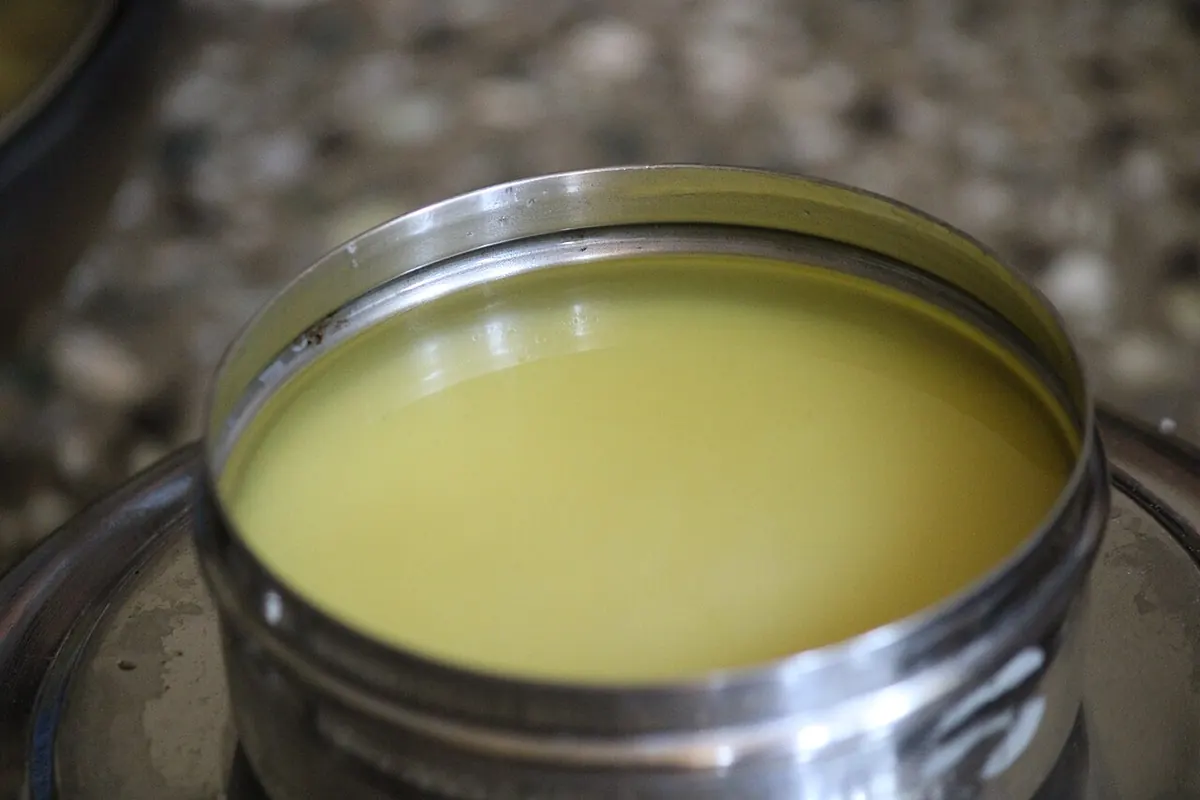
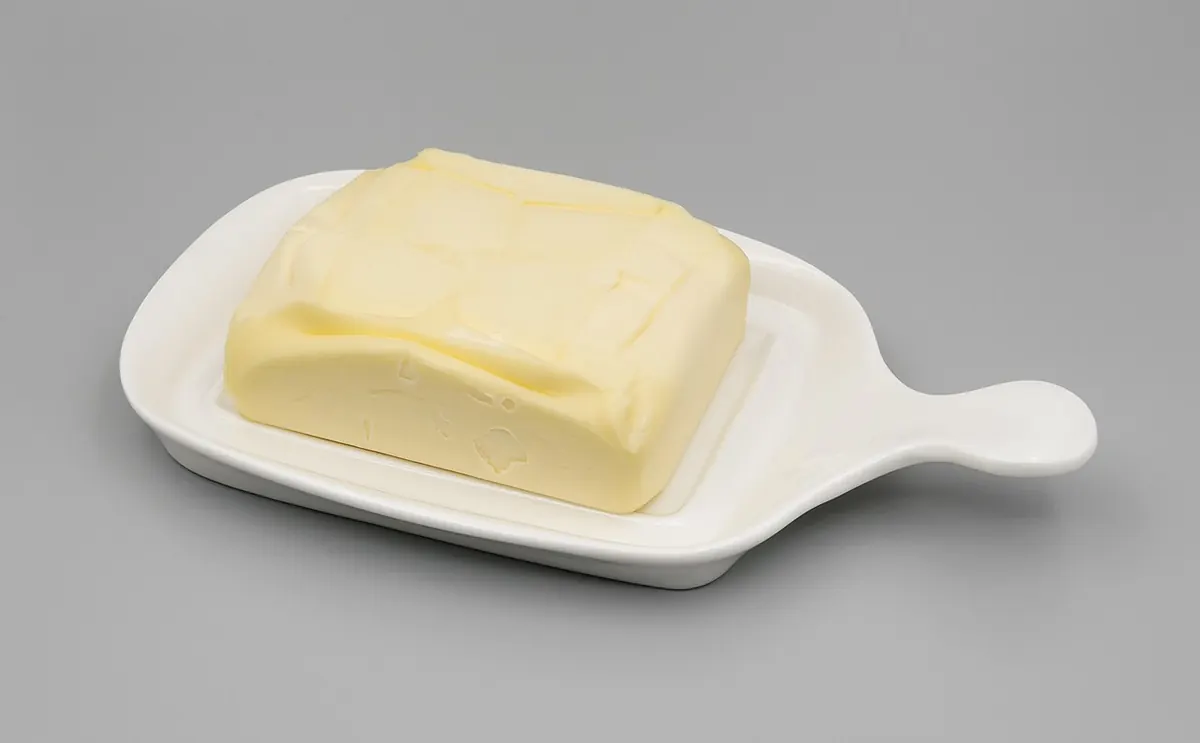
Ghee is butter with its water driven off, leaving a clear milk fat that keeps far longer than butter and needs no fridge. In Bangladesh it is a cooking and sweet-making fat, so sweet shops, hotels, caterers and retailers buy it in volume, and importers buy it for markets abroad.
Ghee is easy to fake with cheaper fats, so a ghee supplier in Bangladesh has to prove what is in the tin. Roptan sources from verified makers with a current BSTI licence, has each lot tested for fats that do not belong there, checks the packs and delivers or loads them.
How to specify ghee
- Milk fat only
- Write that the fat is milk fat with no vegetable or animal fat added. EU law reserves dairy fat names for products made only from milk, a useful model wording.
- Animal and route
- Cow, buffalo or a declared blend, and whether the ghee is made from cream, cultured butter or bought-in white butter.
- Flavour
- Ghee clarified at 100 °C or lower is usually mild; around 120 °C gives a strong flavour. Name the aroma you want and approve a sample.
- Moisture
- Well-made ghee is nearly all fat, with water usually around 0.2 percent. Ask for the moisture figure, since more water shortens keeping time.
- Pack and storage
- Sealed tins or glass jars kept out of sunlight, which can draw moisture into a jar. Ask for storage conditions and the expiry date.
- Label
- The BSTI mark and licence number, production and expiry dates and ingredients on every pack.
Tests and licences for ghee
- BSTI licence and mark
- In August 2026 BSTI was reported to have ordered substandard products withdrawn, ghee among them, after tests found palm olein and vanaspati sold as ghee. Check the licence.
- Fat purity values
- In that case BSTI named refractive index, iodine value, saponification value and Polenske value as outside limits. Ask for these on your lot, with the method and limit used.
- Reichert-Meissl value
- Measures volatile, water-soluble fatty acids, typically high in milk fat; foreign fats lower it. Ask the lab to state the range it applies.
- Food safety and halal
- Ghee sold in Bangladesh falls under the Bangladesh Food Safety Authority. Ask for HACCP or ISO 22000 for the plant, and halal from the Islamic Foundation Bangladesh.
Lead times and delivery
No typical lead time can be given for ghee. Stock in the maker's own tins moves fastest. A set aroma needs a sample and approval, private label waits for printed tins or labels, and a lab test adds days; orders before Ramadan usually take longer. Roptan confirms the dates and the minimum order in the quote.
Ghee travels at room temperature in covered transport, out of direct sun. We deliver to sweet shops, hotels, caterers and retailers with the packing list, batch and expiry dates, the lab report and a VAT invoice (Mushak 6.3), and check seals and dents on arrival.
Buying ghee for export
Ghee ships in dry containers, FOB Chattogram, in tins or jars. It is generally declared under HS heading 0405, butter and other milk fats; your customs broker confirms the line. Documents usually include a certificate of origin, the lab report, a health certificate where required and halal. We check your market's dairy import rules before samples are sent.
Questions buyers ask
How is ghee different from vegetable ghee?
Ghee is milk fat made from butter. Vegetable ghee, or vanaspati, is hydrogenated vegetable fat sold under its own name as a vegetarian alternative. Both are lawful when labelled honestly; the problem is vegetable fat sold as ghee, which BSTI's 2026 tests found. Your order should require milk fat only.
Can I judge ghee by smell or grain?
No. Aroma and grain vary in genuine ghee with the animal, the butter and the heat used. Only lab values settle it: the BSTI purity tests and the Reichert-Meissl value on your lot. We order them from an accredited lab and keep sealed samples.
Does ghee need a fridge?
Usually not: ghee has very little water, so sealed tins and jars are kept at room temperature across the trade and keep far longer than butter. Keep them out of sunlight, which can draw moisture inside. Cooler storage extends keeping time, and the seller's expiry date and storage instructions govern.
Is ghee suitable for frying?
Yes. Its smoke point is usually about 250 °C, above normal frying temperatures and above most vegetable oils. A sample that smokes early can point to free fatty acids or blending, and is a reason to test the lot.
How soon will I hear back about dairy products and honey?
Within 48 hours of a complete requirement, with a price and a delivery date. A requirement is complete when it has the quantity, where it is needed and by when.
Who do I deal with?
With Roptan, when Roptan manages the order: we buy from the verified seller and deliver to you. With the supplier directly, when you post on the requirement board and choose a quote yourself.