Managed sourcing from Bangladesh, for export and for buyers at home
Get it sourced

Power and energy · UPS

UPS battery supplier in Bangladesh

Roptan acts as your UPS battery supplier in Bangladesh: give us the UPS model, its DC string voltage, your load and the minutes you need. We source VRLA, flooded or lithium strings from a verified seller, check them and deliver them charged.

  • Verified sellers
  • Checked before it ships
  • Delivered by Roptan

Get UPS batteries sourced

Prefer to deal with suppliers yourself? Post it on the requirement board

Buying UPS batteries in Bangladesh

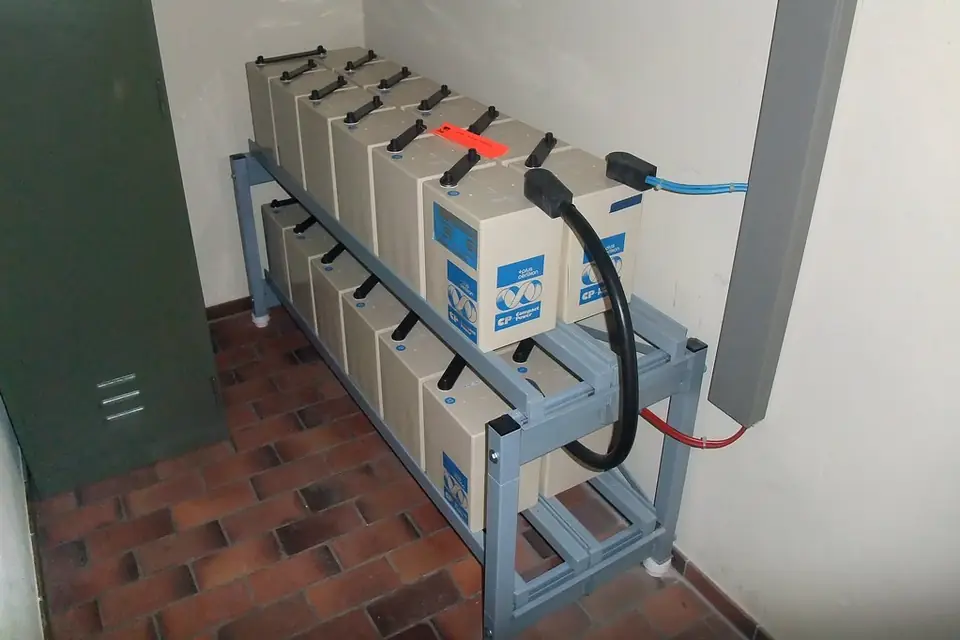
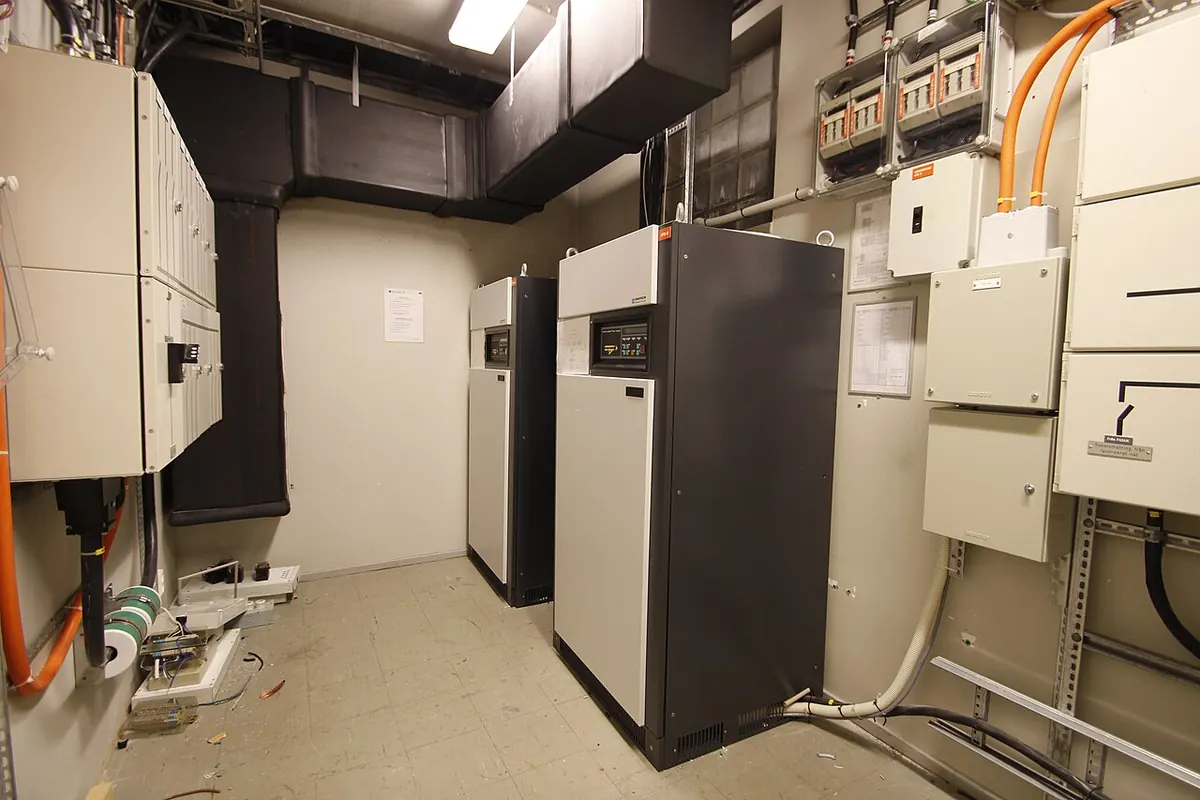
Behind every online or three-phase UPS sits a battery string: blocks wired in series to the DC voltage the UPS needs, in a cabinet or rack. The string sets the backup minutes, battery problems are a common cause of UPS failure, and a string is usually replaced within one UPS's life.

As your UPS battery supplier in Bangladesh, Roptan matches the string to the UPS model and charger, asks verified sellers for runtime at your load, not a bare Ah figure, and checks every block before delivery. The seller installs the string, sets the charger to it and tests it.

Kinds of UPS battery string

VRLA strings (AGM or gel)

Sealed blocks with a pressure-relief valve on each cell, in cabinets or on racks. They still need cleaning and regular testing, and the charger must be set lower than for flooded cells.

Flooded (vented) stand-by strings

Designed for deep discharge in large backup supplies such as telephone and computer centres. They give off gas, so they need a ventilated battery room.

Lithium iron phosphate cabinets

Cells of 3.2 V nominal, usually working between 2.5 and 3.65 V, with cycle life stated at 2,000 and higher. A battery management system does much of the work, since voltage says little about charge.

Replacement strings

A new string for a UPS already in service. Match the chemistry the charger is set for, replace the whole string and do not mix old and new blocks.

What a UPS battery supplier in Bangladesh needs from you

Runtime at your load
Lead-acid is rated at slow 5-hour or 20-hour rates and gives substantially less in a fast discharge. Ask for the runtime table at your load in kW, not an Ah figure.
String voltage and block count
Take the DC voltage from the UPS model. IEC 62040-3 and IEC 62485-2 both stop at 1,500 V DC, so a long series string must stay within that.
Float voltage
Large stationary lead-acid cells typically float at about 2.25 V a cell at 25 °C. The string figure is that times the cells in series; set the charger to it.
Temperature sensor
Ask for temperature-compensated charging with a sensor on the string. Makers advise a lower float voltage once the room passes 29 °C; without the sensor the charger overcharges in a hot room.
Room temperature
Lead-acid life falls roughly by half in a room held well above 25 °C, and summer maximums here usually reach 38 to 41 °C. Plan a cooled room or cabinet.
One string or several
A defective battery in one parallel string can drag down good or new batteries in the others. Prefer fewer strings, or a separate charger for each series string.
Recharge between cuts
Lead-acid should be fully recharged soon after each discharge. Say how long and how often cuts run, so the charger is sized to refill the string before the next one.
Standards for UPS battery strings and rooms

IEC 60896-21 and IEC 60896-22
Test methods and requirements for valve-regulated cells and monoblocs on float, as in a UPS string. Part 22 sets requirement levels for the duty; ask for reports to both.
IEC 62485-2
Safety in erecting, using, inspecting and maintaining stationary lead-acid and nickel battery installations to 1,500 V DC nominal, covering electricity, gas and electrolyte hazards; it governs room ventilation.
IEC 62619:2022
Safety requirements and tests for industrial lithium cells and batteries, including stationary uses such as UPS. Ask for it on any lithium cabinet; IEC 62485-2 does not cover lithium.

What moves the price of UPS batteries

  • Chemistry: lead-acid is inexpensive per watt, which keeps it the usual UPS battery; lithium usually costs more to buy.
  • Minutes at your load: fast discharge gets less from each block, so short high-load backup needs more blocks than Ah suggests.
  • Lifetime: heat shortens lead-acid life, while lithium iron phosphate cycle life is stated at 2,000 and higher; count replacements within the UPS's life.
  • Room and racking: cabinets, racks, ventilation and cooling add cost.

Lead times and delivery

Time depends on the block size and count, the chemistry, whether a cabinet or rack is needed, and how the batteries ship. Open sources give no reliable typical figure, so Roptan confirms the delivery date and any minimum in your quote.

Batteries usually ship as dangerous goods: acid-filled and non-spillable wet batteries under UN 2794 and UN 2800, class 8, lithium-ion under UN 3480, class 9. We deliver them charged. The seller installs the string, sets float and compensation, and runs a rundown at your load. Old lead-acid strings should go to a recycler holding environmental certification.

What we check for this order

  • Charged on arrivalOpen circuit voltage of every block recorded on delivery, since lead-acid must be stored charged and topped up about every 6 months.
  • Charger set for the typeFloat voltage, charge limit and temperature sensor matched to VRLA, flooded or lithium before the string is connected.
  • String test at your loadA rundown at your load after installation, and a way to isolate one string or cell for testing while the rest stays charged.
  • Old string disposalThe replacement quote names who takes the old lead-acid string and that the recycler holds environmental certification.

Questions buyers ask

Why does my UPS give fewer minutes than the Ah rating suggests?

Because lead-acid capacity depends on the discharge rate. Ratings use slow 5-hour or 20-hour rates, while a UPS empties the string in minutes, when far less capacity is available. Ask for a runtime table at your load.

Can I add a new string beside the old one?

It is risky. In parallel strings, a weak or defective battery can pull down good or new batteries in the others, and mixing old and new is the common trigger. Replace the whole string, or give each string its own charger.

Are sealed UPS batteries maintenance-free?

No. Each VRLA cell has a pressure-relief valve, and the blocks still need cleaning, voltage records and functional tests. A full rundown wears the battery, so it is usually done every six months to a year.

Is lithium iron phosphate worth it for a UPS?

It can be where heat and frequent cuts shorten lead-acid life. It usually costs more to buy, but cycle life is stated at 2,000 and higher. Ask for IEC 62619 test reports and confirm the battery management system works with your UPS charger.

How soon will I hear back about UPS?

Within 48 hours of a complete requirement, with a price and a delivery date. A requirement is complete when it has the rating, where it is needed and by when.

Who do I deal with?

With Roptan, when Roptan manages the order: we buy from the verified seller and deliver to you. With the supplier directly, when you post on the requirement board and choose a quote yourself.

Other UPS products

Each product type has its own page as it is published; until then its card opens the category form.

All UPS