Buying frozen whole fish in Bangladesh
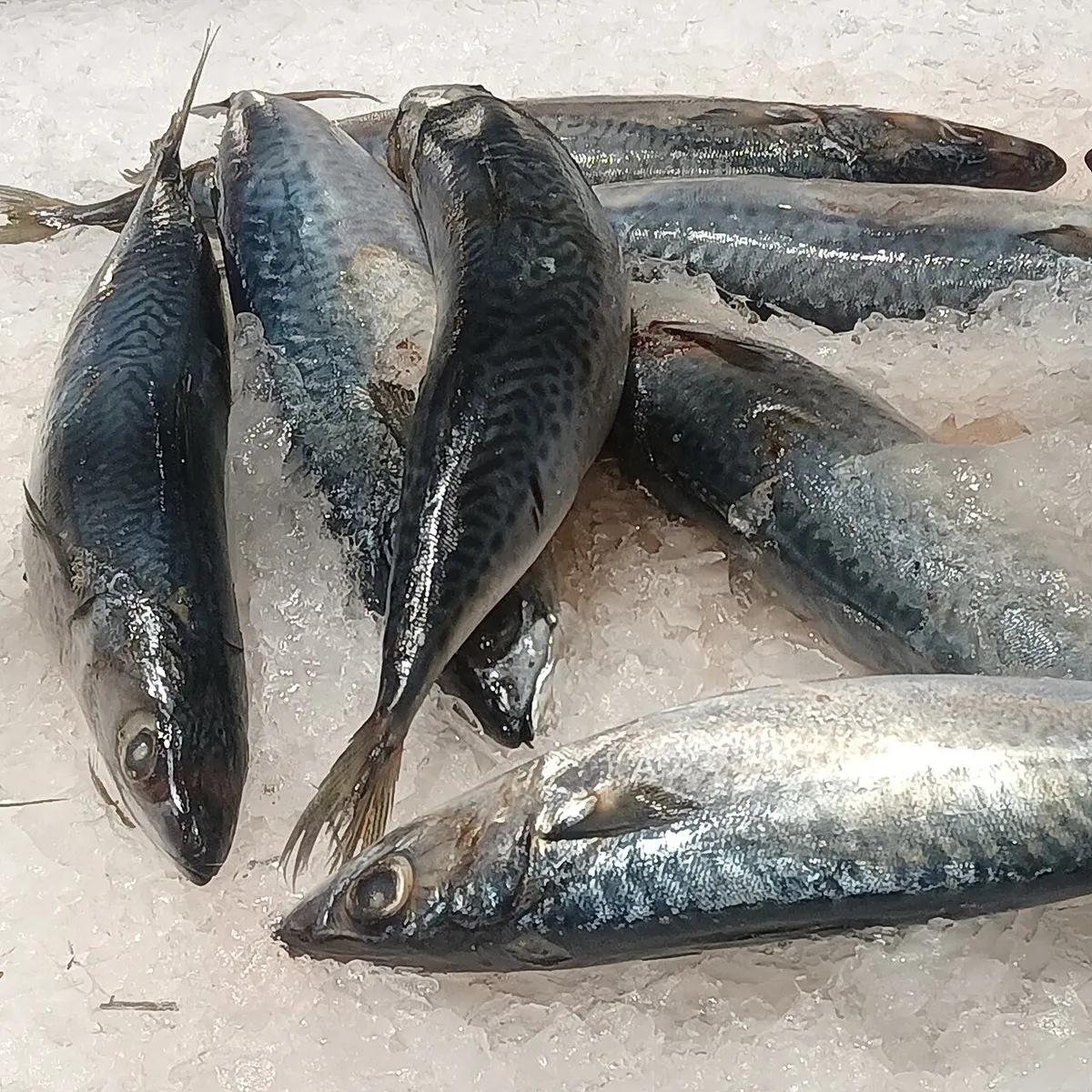
Bangladesh freezes farmed freshwater fish such as rohu, catla and pangas, and sea fish such as pomfret and snapper. Rohu is an important farmed species in South Asia and very commonly eaten at home, and tilapia output is growing. Hotels and food businesses buy frozen fish here; recorded frozen exports of the farmed species are small, so lots abroad are usually packed to order.
A frozen whole fish exporter in Bangladesh is judged on species, size and cold chain. Roptan sources from verified plants, writes species, size per piece and glaze into the order, keeps protected species out of mixed lots, has residues tested where you ask and checks the fish before the reefer is sealed.
How to brief a frozen whole fish exporter in Bangladesh
- Species
- Local and scientific name, such as rohu (Labeo rohita), and whether the fish is farmed or wild-caught.
- Size per piece
- Weight per fish in grams, the range you accept and the share of each size in the lot.
- Presentation
- Whole round, gutted, or gutted and scaled, and whether heads and fins stay on.
- Glaze and net weight
- Glaze as a share of gross weight and a net weight without it; counting glaze as fish overstates net quantity under US rules.
- Freezing and storage
- Block or individually frozen, a core temperature usually of -18 °C or colder, and how many cold stores the fish passes through before loading.
- Residues
- For farmed fish, a panel covering antibiotics common on Bangladeshi fish farms, such as oxytetracycline and ciprofloxacin, plus whatever your market bans.
Rules and papers for frozen fish
- FIQC health certificate
- Issued by the Department of Fisheries' Fish Inspection and Quality Control offices, which license plants under the Fish and Fish Products (Inspection and Quality Control) Act 2020.
- EU residue control plans
- Farmed fish shipped to the EU must come from a country running residue plans for drugs, pesticides and contaminants under Delegated Regulation (EU) 2022/1644.
- US seafood HACCP (21 CFR Part 123)
- A foreign fish processor needs a written HACCP plan that the US importer verifies; without that assurance fish can be denied entry.
- IUU fishing plan
- Bangladesh's National Plan of Action against illegal, unreported and unregulated fishing dates from 2021. For wild sea fish, ask what catch papers your market requires.
Lead times and delivery
No fixed lead time can be given for frozen whole fish. Farmed fish are harvested to order, so the date depends on pond harvests, sizes and the plant's freezing capacity; sea fish depend on landings and the fishing season. Lab tests and reefer space at Chattogram add time. Roptan confirms the dates and the minimum order in the quote.
Inside Bangladesh, Roptan delivers frozen fish by refrigerated truck to hotels, caterers, supermarkets and food processors, packed by species and size with a temperature record. You receive a packing list, any lab reports ordered and a VAT invoice (Mushak 6.3). Soft or short cartons are noted on receipt and settled with the seller.
Buying frozen whole fish for export
Frozen whole fish is quoted FOB Chattogram in a reefer container, or CFR or CIF on request. Documents: commercial invoice, packing list, bill of lading, FIQC health certificate, a certificate of origin or REX statement for EU GSP, the lab reports for the lot, and any catch papers your market requires for wild sea fish.
Questions buyers ask
Can you export hilsa?
Only when the government permits it. Bangladesh has regularly restricted hilsa exports, opening them at times for set quantities. We check the current position before quoting and say plainly if hilsa cannot ship, so other species can fill the order meanwhile.
Are rohu and pangas exported frozen in large volumes?
No. Export Promotion Bureau figures show recorded frozen exports of tilapia, pangas and carp are small, and most frozen fish leaves under a general other-fish line. Plants usually pack these fish to order, so allow time for harvest and freezing.
Why does it matter how often fish was stored?
A study of Bangladesh's marine fish chain found frozen fish processors had the highest quality loss, because fish went in and out of cold stores and small freezers more often and power cuts interrupted cooling. We ask how many times a lot has moved before loading.
Which antibiotics should a test cover for farmed fish?
A Bangladesh survey found oxytetracycline, amoxicillin, ciprofloxacin, levofloxacin, erythromycin, sulfadiazine and trimethoprim most commonly reported on fish farms. US rules bar extralabel use of fluoroquinolones such as ciprofloxacin in food-producing animals. Build your panel from that list and your market's rules.
How soon will I hear back about shrimp and fish?
Within 48 hours of a complete requirement, with a price and a delivery date. A requirement is complete when it has the quantity, where it is needed and by when.
Who do I deal with?
With Roptan, when Roptan manages the order: we buy from the verified seller and deliver to you. With the supplier directly, when you post on the requirement board and choose a quote yourself.