Buying dried fish in Bangladesh
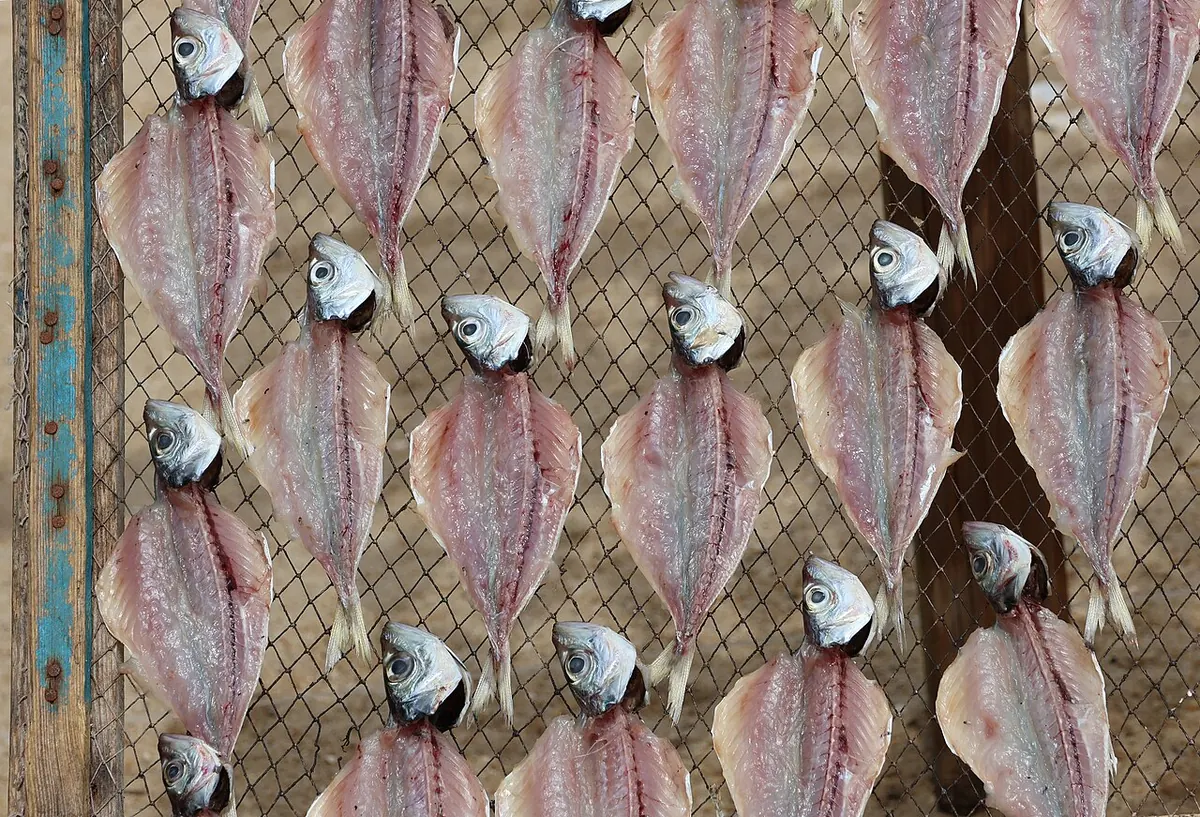
Dried fish, shutki in Bangla, is sea fish such as Bombay duck (loitta) and ribbon fish (chhuri), dried in the sun from mid October to mid April, when the Bay is calm and catches are large. Chattogram, Cox's Bazar, Dublar Char and Ashar Char are the main hubs. Home demand outruns production, so export buyers compete with local wholesalers for good lots.
A dried fish exporter in Bangladesh has to answer three questions: is it dry enough to keep, is it free of insects, and was pesticide used. There is no national grading scheme yet, so Roptan writes the grade into the order, sources from verified sellers, has each lot tested and inspects it before packing.
How to brief a dried fish exporter in Bangladesh
- Species and size
- Local and English name, such as loitta (Bombay duck), with length or pieces per kilogram and whether heads stay on.
- Moisture
- A maximum moisture percentage, tested by a lab. There is no national grading scheme to take one from, so agree it: damp fish weighs more and invites beetles and mites.
- Pesticide residues
- Name the panel. DDT, heptachlor and endosulfan have all been found in studies of Bangladeshi dried fish, so include them at least.
- Drying method
- Open sun-drying, drying under net enclosures, or solar tunnel drying, which some Cox's Bazar producers now use.
- Packing
- Vacuum packs or lined cartons, pack weight, and protection from damp for storage through the humid monsoon.
Rules, tests and papers for dried fish
- Pesticide ban
- DDT and heptachlor are banned in Bangladesh, and in May 2025 the chairman of the Bangladesh Food Safety Authority said pesticide use on dried fish will be treated as a punishable offence.
- FIQC health certificate
- The Department of Fisheries' inspection offices issue export health certificates under the Fish and Fish Products (Inspection and Quality Control) Act 2020. Ask whether your lot can be certified.
- EU residue control plans
- Countries shipping food of animal origin to the EU must run residue plans covering pesticides and contaminants, under Delegated Regulation (EU) 2022/1644.
- US seafood HACCP (21 CFR Part 123)
- US rules count preserving and packing fish as processing, so the packer likely needs a written HACCP plan that the US importer verifies.
Lead times and delivery
No fixed lead time can be given for dried fish. In season, lots can be bought from fresh drying; outside mid October to mid April only stored fish is available, and after the monsoon it needs a closer check for damp and insects. Lab tests for pesticides and moisture add time. Roptan confirms the dates and the minimum order in the quote.
Inside Bangladesh, Roptan delivers dried fish to wholesalers, retailers, caterers and food businesses in covered vehicles, packed to stay dry. You receive a packing list by species and size, the lab reports you ordered and a VAT invoice (Mushak 6.3). Damp, mouldy or insect-damaged packs are recorded on arrival and taken up with the seller.
Buying dried fish for export
Dried fish for export is quoted FOB Chattogram, or CFR or CIF on request. Documents: commercial invoice, packing list, bill of lading, a certificate of origin or REX statement for EU GSP, the pesticide and moisture reports for the lot, and an FIQC health certificate where your market asks for one.
Questions buyers ask
Is pesticide still used on shutki?
Less than before, but it has not gone. A 2025 study found residues in about 13 percent of samples, endosulfan sulfate most often, and a 2026 study found DDT far below earlier levels, pointing to past exposure. Officials have said pesticide use on dried fish will be punished. We test every lot.
What moisture should I specify?
There is no national grading scheme to take one from, so agree a limit with your importer. In a 2009 study, moisture ranged from about 23 percent in anchovy to 43 percent in Chinese pomfret, which the authors called high. Lower moisture keeps better, because drying works by removing the water microbes need to grow.
When is dried fish made?
Mostly from mid October to mid April, when the Bay is calm and catches are large. In the monsoon the air is humid and dried fish absorbs moisture fast, inviting beetles and mites, so a lot bought then needs a closer check.
Is there a grade standard for dried fish?
Not a national one. Industry groups have called for a national certification and grading system, but none exists yet, so you set the grade: species, size, moisture, residue limits and defects. We write those into the order and check the lot against them.
How soon will I hear back about shrimp and fish?
Within 48 hours of a complete requirement, with a price and a delivery date. A requirement is complete when it has the quantity, where it is needed and by when.
Who do I deal with?
With Roptan, when Roptan manages the order: we buy from the verified seller and deliver to you. With the supplier directly, when you post on the requirement board and choose a quote yourself.