Buying freshwater prawn in Bangladesh
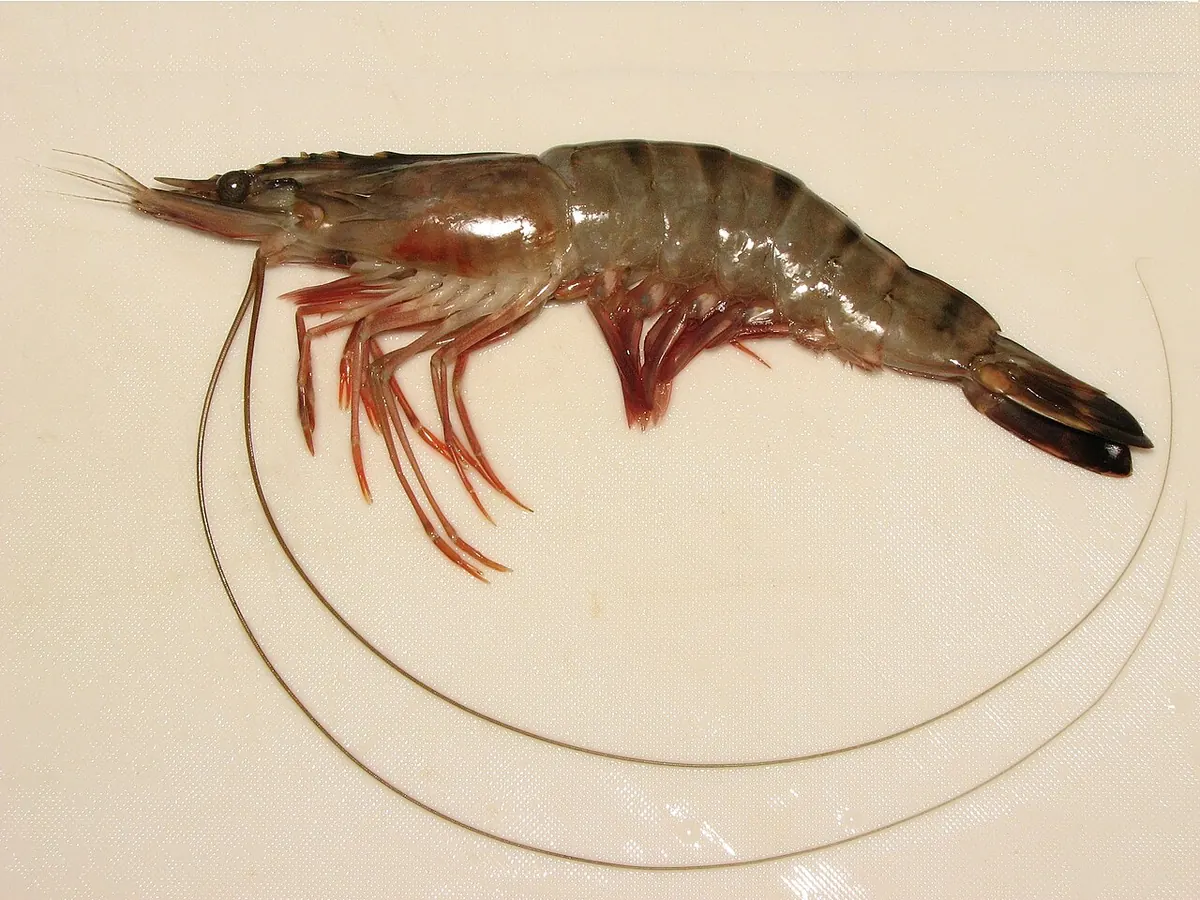
Freshwater prawn is Macrobrachium rosenbergii, golda chingri in Bangla, and with black tiger shrimp one of Bangladesh's two main farmed species. Its larvae need brackish water, then it lives entirely in fresh water, so it grows in south-west ponds: Bagerhat, Khulna, Satkhira and Jashore lead on 2019 district figures. Importers, caterers and restaurants buy it frozen, head-on or as tails.
A freshwater prawn exporter in Bangladesh has to handle a mixed crop: males outgrow females, and mature blue claw males carry much of their weight in claws. Roptan sources from verified plants, writes grading and defect limits into the order, has the lot tested and checks the cartons before the reefer is sealed.
How to brief a freshwater prawn exporter in Bangladesh
- Species
- Ask for Macrobrachium rosenbergii by name on the offer, the contract and the label, since rules written for shrimp may not apply.
- Form and grade
- Head-on or tails, then the count with its unit, per pound or per kilogram, and whether grading is by sex and claw stage.
- Visible defects
- Set limits for broken antennae and rostrum, black gill and soft shell, the defects south-west prawn farms themselves report.
- Glaze, phosphate and gel
- Net weight without glaze, whether phosphate soaking is allowed, and a check for injected gel, a known fraud in prawns.
- Sulphite
- Agree whether it may be used at all, and which limit your importer applies to golda.
- Residues and temperature
- A residue panel naming chloramphenicol, nitrofuran metabolites and tetracycline at least, and a core temperature at loading usually of -18 °C or colder.
Rules and papers for golda shipments
- FIQC health certificate
- The export health certificate comes from the Fish Inspection and Quality Control offices, working under the Fish and Fish Products (Inspection and Quality Control) Act 2020 and its rules.
- EU residue control plans
- Food of animal origin shipped to the EU must come from a country running residue control plans for drugs, pesticides and contaminants, under Delegated Regulation (EU) 2022/1644.
- US seafood HACCP (21 CFR Part 123)
- The plant needs a written HACCP plan that the US importer verifies; prawns from a plant without that assurance can be refused entry.
- US sulphite labelling (21 CFR 101.100)
- Sulphite at 10 mg/kg or more in the finished food must be declared, so the label has to match the lab result.
Lead times and delivery
No fixed lead time can be given for golda. Stock in a plant's cold store ships soonest; a lot packed to order waits for a harvest with the right grades, and hatchery seed problems can thin supply. Residue tests, carton artwork and reefer space at Chattogram add time. Roptan confirms the dates and the minimum order in the quote.
Inside Bangladesh, Roptan delivers frozen golda by refrigerated truck to hotels, restaurants and supermarkets, with a temperature record. You get a packing list by grade and lot, any lab reports ordered and a VAT invoice (Mushak 6.3). Cartons that arrive soft or short are recorded at the door and taken up with the seller.
Buying freshwater prawn for export
Golda for export is quoted FOB Chattogram in a reefer container, or CFR or CIF on request. The papers are the commercial invoice, packing list, bill of lading, FIQC health certificate, a certificate of origin or REX statement for EU GSP, and the lab reports for the lot. Official export figures do not separate golda from other frozen shrimp.
Questions buyers ask
Is golda a shrimp or a prawn?
Golda is the giant freshwater prawn, Macrobrachium rosenbergii, of the Palaemonidae family; black tiger shrimp is a penaeid. The difference matters on paper, because some limits are written for penaeid shrimp only.
Do EU sulphite limits for shrimp apply to golda?
Not automatically. The EU limits by count per kilogram usually quoted for shrimp cover penaeid families, and golda is a palaemonid. Ask your importer which limit applies to golda; we have the lot tested against it.
Why do golda in one lot vary so much in size?
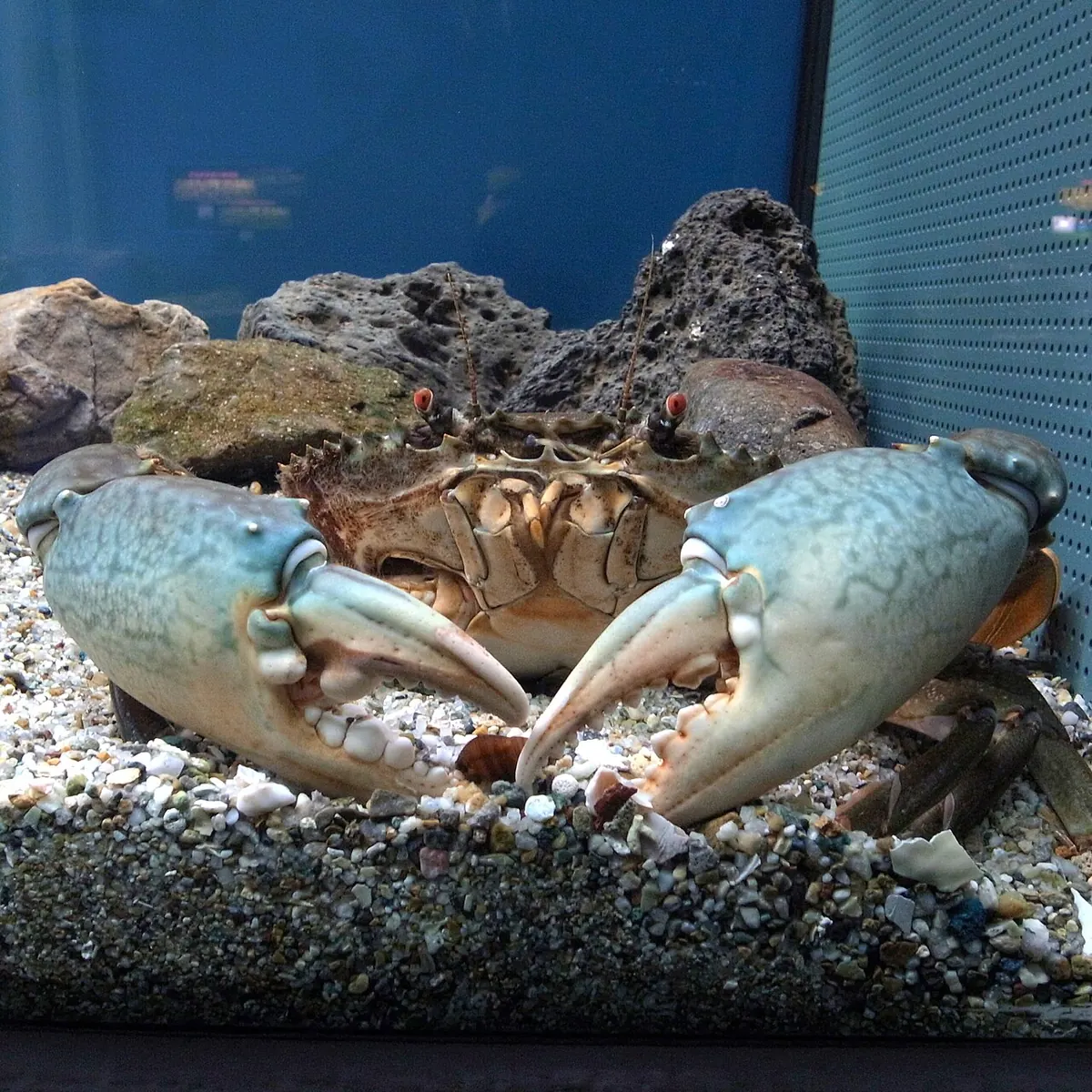
Males grow larger than females, and mature males pass through three stages: small male, orange claw and blue claw. A blue claw male's claws may reach twice its body length. Without grading by sex and stage, one carton can mix very different prawns.
Is golda supply steady through the year?
Not always. Golda larvae need brackish water, and mass larval deaths in Bangladeshi hatcheries since 2011, which a 2020 paper linked to a newly found virus, cut the number of working hatcheries. Pond harvests follow the seed supply, so ask early for large lots.
How soon will I hear back about shrimp and fish?
Within 48 hours of a complete requirement, with a price and a delivery date. A requirement is complete when it has the quantity, where it is needed and by when.
Who do I deal with?
With Roptan, when Roptan manages the order: we buy from the verified seller and deliver to you. With the supplier directly, when you post on the requirement board and choose a quote yourself.