Buying sauces and ketchup in Bangladesh
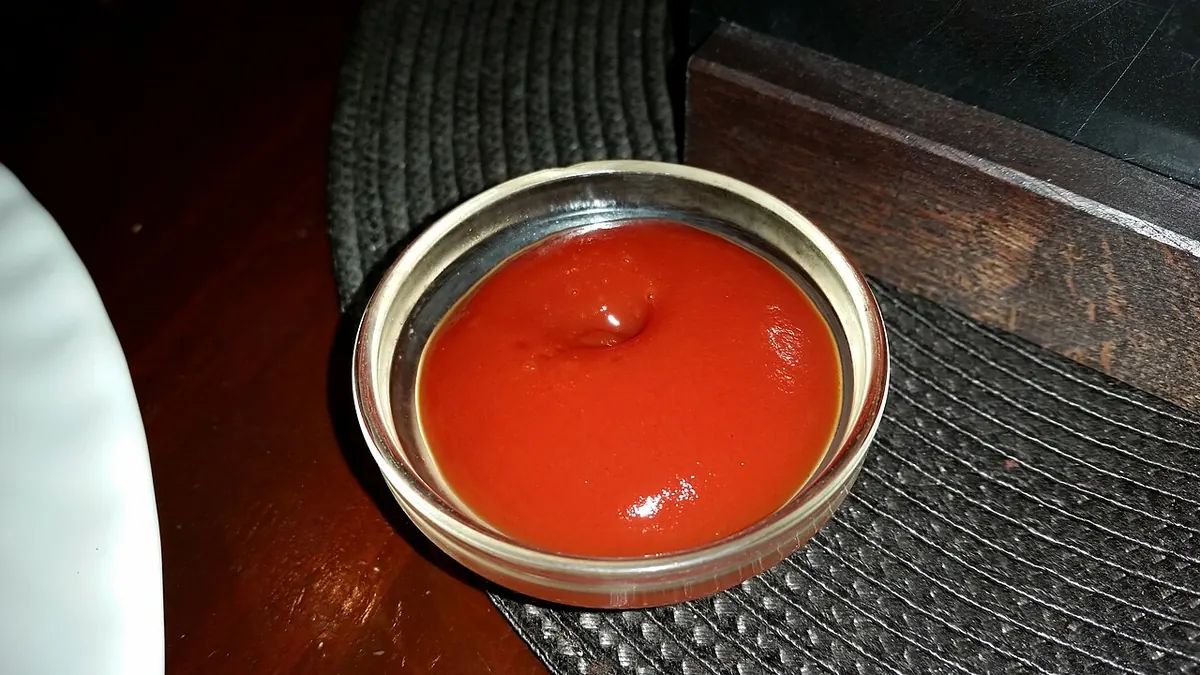
Ketchup is a sweet and sour table sauce made from tomato with vinegar, sweetener and spices. Chilli sauces are cooked from chilli, vinegar, sugar and salt, and may be hot, sweet or both. Restaurants, hotels and caterers buy them in bulk packs inside Bangladesh, shops sell them by the bottle, and importers buy them for South Asian grocery shelves.
Two ketchups with the same label can differ in tomato, thickness and acid. A sauces and ketchup manufacturer in Bangladesh should give you test figures, not adjectives, so Roptan writes measurable limits into the order, sources from verified plants and checks your lot against them before it leaves.
How to specify a sauce or ketchup
- Thickness
- Give a Bostwick flow range: centimetres travelled in 30 seconds at 20 °C. A higher reading is a thinner sauce. The word thick on a brief is not testable.
- Acid and heat step
- Set a pH target with a tolerance, plus the heat step and clean filling. One study found E. coli resists the low pH of vegetable sauces, so pH alone is not enough.
- Chilli and spice inputs
- Ask for tests on the dried chilli and spices going in. EU limits for aflatoxin and ochratoxin A apply to dried chilli.
- Colour
- Ask for a lab screen for unauthorised dyes, such as the Sudan dyes, on red sauces, chilli sauces and their chilli powder.
- Allergens
- List celery, mustard, sesame and sulphites above 10 mg per kg, which EU labels must emphasise, and check the full recipe before artwork.
- Pack and date
- Bottle, jar, pouch or sachet, the fill weight, and the date format your market uses on the label.
Standards, rules and certificates for sauces
- BDS 530:2002 and BDS 512:2017 (BSTI)
- Tomato ketchup and fruit or vegetable sauces are separate products on BSTI's mandatory certification list. For sale in Bangladesh, ask for the licence that names your product.
- 21 CFR 114 (US)
- Covers a sauce that is a low-acid food, such as one built on garlic, onion or vegetables, with acid added. Acid sauces holding small amounts of low-acid food, and tomato products below pH 4.7, sit outside it.
- Regulation (EU) 2023/915
- Sets EU limits for aflatoxin and ochratoxin A in dried chilli and spice mixtures. Test the chilli lot that goes into the sauce.
- Regulation (EU) No 1169/2011
- EU labels: net quantity, a date of minimum durability, storage conditions, and allergens such as celery, mustard and sesame emphasised.
Lead times and delivery
We give no standard lead time or minimum for sauces, because plants differ too much. Recipe sampling, printed pouches or sachet film, bottle supply, lab tests and any US filing for an acidified sauce all add time; a plant's own recipe in its own bottle is quicker. Roptan confirms the dates and the minimum in the quote.
We deliver inside Bangladesh by the carton or catering pack to restaurants, hotels, shops and warehouses, with the packing list, batch codes, lab reports where ordered and a VAT invoice (Mushak 6.3). Packs are checked on arrival for leaks and swelling.
Buying sauces and ketchup for export
Ketchup falls under HS 2103, sauces and condiments; a chilli or garlic sauce usually sits in the same heading, and your customs broker confirms the line. We quote FOB Chattogram. For the US, the plant needs FDA food facility registration and you run a foreign supplier verification programme; a process filing applies only if the sauce is an acidified food.
Questions buyers ask
Does ketchup fall under the US acidified-food rules?
Usually not. US rules say tomato products with a finished equilibrium pH below 4.7 are not low-acid foods, and acid condiment sauces with small amounts of low-acid food are excluded. A sauce built on garlic, onion or other vegetables with acid added can fall inside the rules. Your importer confirms where your recipe sits.
What Bostwick reading should ketchup have?
The US standard of quality for ketchup has set a flow of no more than 14 cm in 30 seconds at 20 °C. An amendment to that section was published in October 2026, so check the current text. For other markets, agree a range with the buyer and test every lot against it.
Why test a chilli sauce for dyes?
EU rapid alerts have reported unauthorised dyes, including Sudan I, III and IV, in chilli and tomato products in the supply chain. A lab screen on the sauce and its chilli powder is a fair ask before your brand goes on the bottle.
Does Bangladesh have a standard for ketchup?
Yes. Tomato ketchup is on BSTI's mandatory certification list under BDS 530:2002, beside separate standards for fruit or vegetable sauces, tomato paste, soy sauce and mayonnaise. A plant selling ketchup here needs the licence for that product.
How soon will I hear back about pickles, sauces and preserved food?
Within 48 hours of a complete requirement, with a price and a delivery date. A requirement is complete when it has the quantity, where it is needed and by when.
Who do I deal with?
With Roptan, when Roptan manages the order: we buy from the verified seller and deliver to you. With the supplier directly, when you post on the requirement board and choose a quote yourself.