Buying jams and jellies in Bangladesh
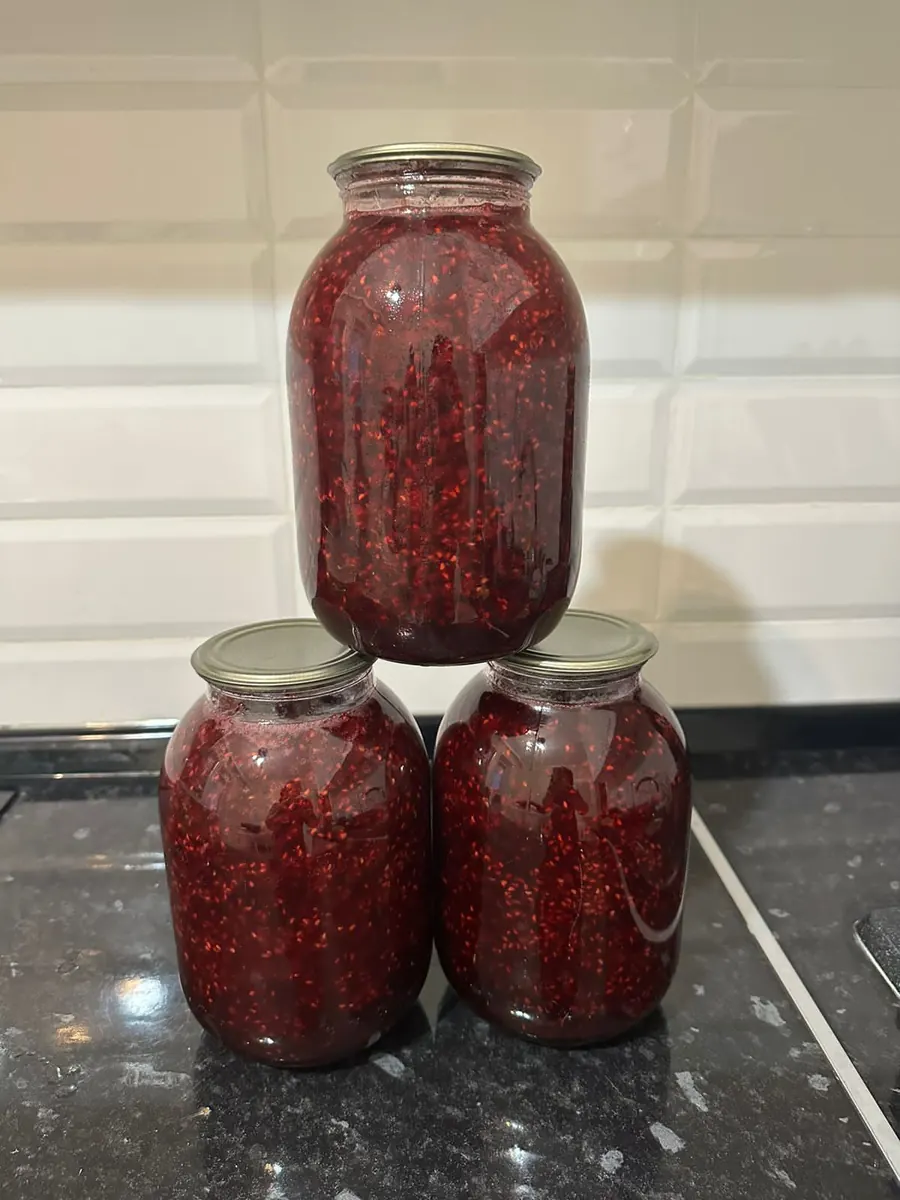
Jam is fruit pulp cooked with sugar until it sets; jelly is made from fruit juice, so it is clear and smooth with no pulp. Sugar is the main preserving agent, sometimes helped by acid. Shops, bakeries, hotels and caterers buy jam and jelly inside Bangladesh, and importers buy them for grocery shelves abroad.
A jams and jelly manufacturer in Bangladesh has to meet a fruit and sugar rule that changes by market. Roptan sources from verified plants, writes your market's fruit minimum and soluble solids into the order, has the lot tested and checks the label before it prints.
How to specify jam and jelly
- Fruit content
- State grams of fruit per kilo of finished product, and which market's rule it must meet. Since 14 June 2026 the EU minimum is 450 g for jam and 500 g for extra jam as a general rule, with lower figures for a few fruits.
- Soluble solids
- State degrees Brix by refractometer. EU jam needs at least 60 percent soluble solids unless sold as reduced sugar; the US standard typically asks for 65 percent.
- Pectin and set
- Pectin usually gels above about 60 percent soluble solids at pH 2.8 to 3.6. Agree the set by a sample, and whether added pectin is allowed.
- Process records
- Ask the plant to record Brix at set points and the cooking temperature. One Bangladeshi laboratory method cooked to 65 percent Brix at 104 to 105 °C.
- Sulphite and colour
- Say whether sulphite or added colour is allowed. Sulphite above 10 mg per kg must appear on EU labels, and at 10 ppm or more on US labels.
- Jar and fill
- Glass jar, cap, fill weight, headspace and jars per carton, plus the label language and artwork owner.
Standards and rules for jams and jellies
- BDS CAC 296:2014 (BSTI)
- Jams, jellies and marmalades are on BSTI's mandatory certification list. A jelly dessert is a different product, Edible Jell, with its own standard.
- Directive 2001/113/EC and (EU) 2024/1438
- EU jam rules: the names jam, extra jam, jelly and marmalade, the fruit minimums raised from June 2026, and the 60 percent soluble solids rule.
- 21 CFR 150.160 (US)
- The US standard for jams and preserves sets soluble solids and a fruit-to-sugar ratio. An amendment was published in October 2026, so check the current text.
- US facility registration
- Jams are outside the US acidified-food rules, but the plant still registers with FDA and the importer runs a foreign supplier verification programme.
Lead times and delivery
We give no standard lead time or minimum for jam, because plants and fruit supply differ. Time grows with recipe sampling, fruit availability, glass jar and label supply, and lab tests on fruit content and Brix. A plant's own recipe in its own jar is quicker than a new private label. Roptan confirms the dates and the minimum in the quote.
We deliver inside Bangladesh by the carton to shops, bakeries, hotels and warehouses, with glass jars between dividers. You receive the packing list, batch codes, lab reports where ordered and a VAT invoice (Mushak 6.3). Jars are checked on arrival for broken seals, leaks and mould at the rim.
Buying jams and jellies for export
Jams and jellies fall under HS 2007. We quote FOB Chattogram. For the EU, the fruit content must meet the 2026 minimums, and the origin statement for GSP goes through REX. For the US, jams are excluded from the acidified-food filing, but the plant needs FDA facility registration and you run a foreign supplier verification programme.
Questions buyers ask
How much fruit must jam contain for the EU?
Since 14 June 2026, at least 450 g of fruit pulp or purée per kilo of jam as a general rule, and 500 g for extra jam. The earlier rule was lower, and stock placed on the market or labelled before that date may be sold until it runs out. Check the national text of your EU country.
What is the difference between jam and jelly?
Jam is made from fruit pulp or purée, so it has pieces or texture. Jelly is made from fruit juice, so it is clear and smooth with no pulp. That changes how the fruit content is measured, and the EU treats them as separate names.
Does a US importer need an acidified-food filing for jam?
No. US acidified-food rules expressly exclude jams, jellies and preserves. The plant must still register with FDA as a food facility, and the importer runs a foreign supplier verification programme for each food it imports.
Does Bangladesh have a standard for jam?
Yes. Jams, jellies and marmalades are on BSTI's mandatory certification list under BDS CAC 296:2014, which points to the Codex standard of the same number. A plant selling jam in Bangladesh needs the BSTI licence for it.
How soon will I hear back about pickles, sauces and preserved food?
Within 48 hours of a complete requirement, with a price and a delivery date. A requirement is complete when it has the quantity, where it is needed and by when.
Who do I deal with?
With Roptan, when Roptan manages the order: we buy from the verified seller and deliver to you. With the supplier directly, when you post on the requirement board and choose a quote yourself.