Buying cut flowers in Bangladesh
Commercial flower growing in Bangladesh is usually traced to Godkhali in Jashore in the 1980s. Tuberose, rose and marigold usually dominate, with gerbera, lilium and others behind. Hotels, event planners and florists are the main buyers, and flowers usually reach Dhaka by overnight road from the growing areas.
There is no nationwide cold chain for flowers and, in practice, no standard grade, so a cut flower exporter in Bangladesh has to agree stem length, bud stage and packing order by order. Roptan writes them into your order, sources from verified growers, checks the flowers before dispatch and treats any export as a bespoke order.
How to brief a cut flower exporter in Bangladesh
- Flower and colour
- The flower, variety and colour mix, with the botanical name for export papers.
- Stem length and bud stage
- Length in centimetres and how open the bud is at cutting. In practice there is no national grade, so your order is the grade.
- Bunching and boxes
- Stems per bunch, bunches per box and the box type, written down, since there is no uniform packing practice.
- Cold handling
- Stems usually go into clean buckets of low pH water, are cooled to 2 to 4 degrees C before grading and packing, and are kept cool on the road.
- Date and season
- Delivery date and time. Winter, November to February, is usually the festival and wedding season, when bulk orders compete with local demand.
- Destination
- A venue in Bangladesh or an airport abroad, and for the EU, which pest statements your flowers need.
Certificates and permits for cut flowers
- Phytosanitary certificate
- Issued by the Plant Quarantine Wing of the DAE under the Plant Quarantine Act 2011. For perishable goods, apply at least a day ahead; it is valid 24 hours.
- Agro-products exporter licence
- From the Department of Agricultural Marketing, renewed yearly, and listed on the customs sheets for roses and orchids. Ask for a current copy.
- CITES for orchids
- Almost all orchids are in CITES Appendix II, but the listing exempts cut flowers of artificially propagated plants, so propagated stems usually need no permit. We do not source wild protected plants.
- Implementing Regulation (EU) 2019/2072
- Cut chrysanthemum, carnation, gypsophila and solidago need an official statement of freedom from two leaf miners; cut orchids need one for Thrips palmi.
Lead times and delivery
Flowers are cut for the date, not held in stock: a domestic order is usually cut shortly before delivery and trucked overnight. An export needs set-up time for the licence, cooling and cargo booking before the first flight, then runs on the perishable clock, with the certificate applied for at least a day ahead. Roptan confirms dates and minimums in the quote.
Inside Bangladesh we deliver to hotels, venues, florists and offices in water or in cooled boxes, with stems counted against the order and a VAT invoice (Mushak 6.3). Most losses happen on the road, so we ask each grower how flowers are held on overnight legs before we place the order.
Buying cut flowers for export
Bangladesh's recorded cut flower exports are very small, so treat an export as a bespoke order and expect to build the cold chain for it. The seller, holding an ERC and an agro-products exporter licence, ships by air from Hazrat Shahjalal International Airport, Dhaka, with invoice, packing list, phytosanitary certificate, CITES papers where an orchid needs them and any EU pest statement.
Questions buyers ask
Does Bangladesh export cut flowers?
Only in very small amounts today. Older reports of large flower exports do not match recent export data, and the trade is mainly domestic. We treat an export order as bespoke and check cold handling, cargo space and papers before we quote.
Which flowers are grown in Bangladesh?
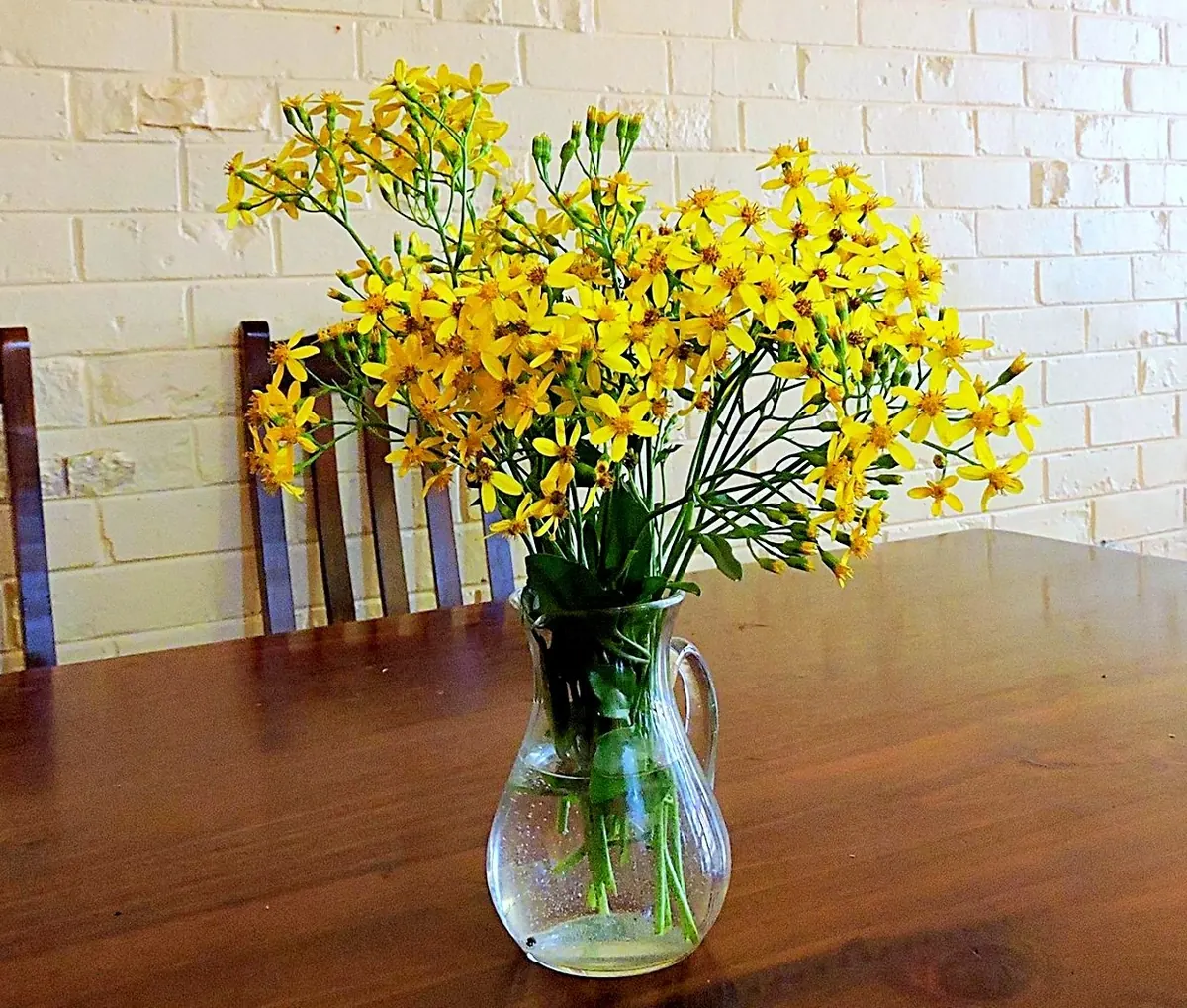
Tuberose, rose and marigold usually lead, with gerbera, lilium and others behind. Growers can usually also supply gladiolus, carnation, gypsophila, anthurium and dendrobium orchids. Godkhali in Jashore is the long-established growing area.
How long will the flowers last?
It depends on the flower and the cold chain. Roses, marigolds and orchids usually last 6 to 14 days in the vase; chrysanthemums and carnations 2 to 4 weeks. Flowers with a short vase life suit nearby markets only.
When is supply tight?
Prices are usually highest from July to October and from Thursday to Saturday, and winter is the festival and wedding season. Book large event orders early and give the date when you enquire.
How soon will I hear back about betel leaves and plant products?
Within 48 hours of a complete requirement, with a price and a delivery date. A requirement is complete when it has the quantity, where it is needed and by when.
Who do I deal with?
With Roptan, when Roptan manages the order: we buy from the verified seller and deliver to you. With the supplier directly, when you post on the requirement board and choose a quote yourself.