Buying white sesame seeds in Bangladesh
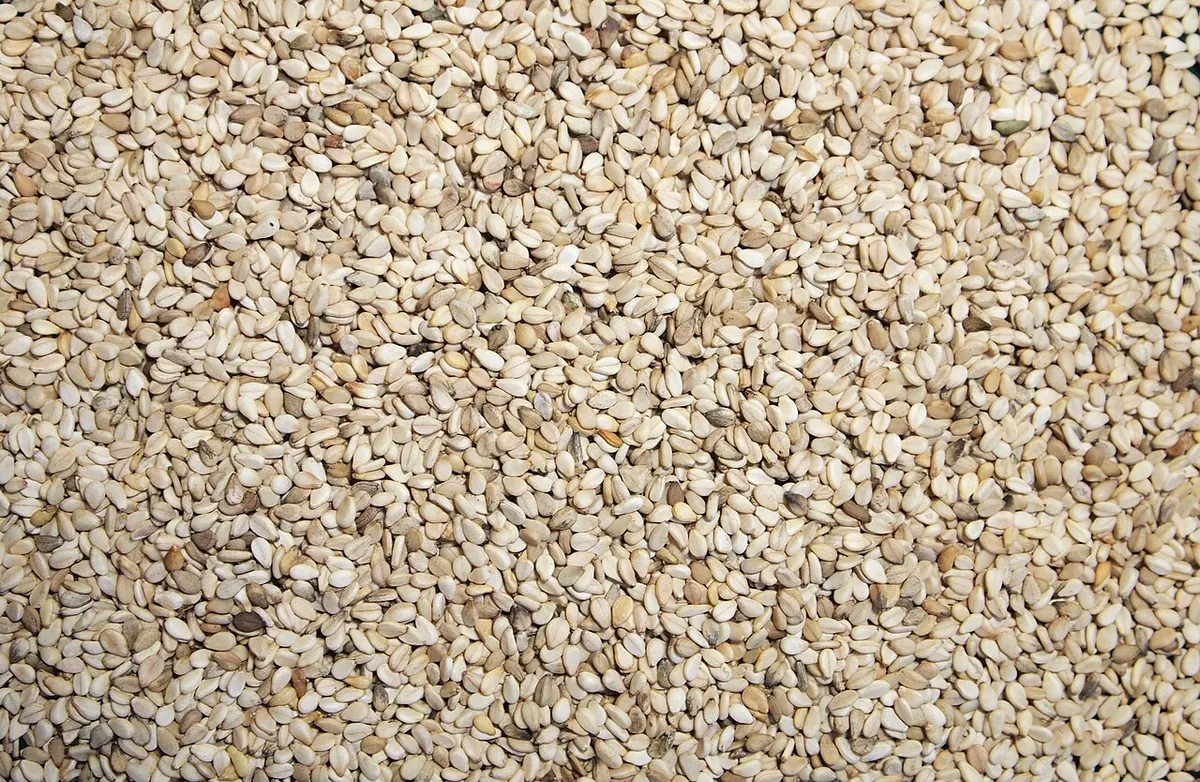
White sesame is the light-coloured seed of Sesamum indicum, the form most common in Europe, the Americas, West Asia and the Indian subcontinent. Bakers, sweet makers and tahini makers buy it, and oil millers press it, since sesame holds one of the highest oil contents of any seed. Bangladesh's export data record sesame under HS 1207.40 without a colour split.
A white sesame seed exporter in Bangladesh is judged on clean, dry seed with test reports that hold up at the importer's lab. Roptan sources from a verified seller, states the origin of the lot in writing, agrees purity, moisture and tests before the order, and checks cleaning, sorting and bagging before the container is closed.
What to ask a white sesame seed exporter in Bangladesh
- Purity
- Purity as a percentage by weight and the limit for other plant matter. One EU trader's hulled sesame sheet asks for 99.98 percent minimum; your own contract figure decides.
- Moisture
- Usually 5 to 6 percent maximum. Seed stored damper than about 6 percent can heat up and turn rancid, so measure it before bagging.
- Oil content and acidity
- For oil buyers: oil content, usually at least 40 percent in market grading, and the acid value, which rises in old or badly stored seed.
- Colour and size
- Natural or hulled, the colour range accepted, and the size sorting. A sealed reference sample avoids arguments at arrival.
- Microbiology
- Salmonella testing on every lot; one EU trader's sheet asks for Salmonella absent in 25 g. Ask whether the seed was treated, and how.
- Residues
- Ethylene oxide and pesticide residues tested against your market's limits by an accredited lab on a sample drawn across the lot.
- Packing
- Moisture-proof bags or liners, since seed in a humid climate takes damp back up after drying. State the bag weight and labels.
Tests and rules for white sesame seed
- ISO 665, ISO 658 and ISO 659
- ISO test methods for oilseeds: moisture and volatile matter, impurities, and oil content. Ask which method the lab used for each figure.
- ISO 660
- The ISO method for the acid value of fats and oils, used to judge whether seed oil has started to break down.
- Ethylene oxide residue
- In the 2020 EU sesame recalls the residue limit applied was reported as 0.05 mg per kg, with some batches far above it. Test every lot.
- Allergen labelling
- Sesame must be declared in packaged food in the EU under Regulation (EU) No 1169/2011, and in the US under the FASTER Act from 2023.
- Phytosanitary certificate to ISPM 12
- The international standard for preparing and issuing export plant-health certificates. The lot details on it should match your bags.
Lead times and delivery
No sourced lead time exists for white sesame, so this page gives none. Time grows with hulling and colour sorting, with waiting for the lab report on the lot, and around harvest when new seed is still being dried and cleaned. Roptan confirms the dates and the minimum order in the quote.
Inside Bangladesh, Roptan delivers to bakeries, sweet makers and oil mills in moisture-proof bags with lot labels, the lab reports you ordered and a VAT invoice (Mushak 6.3). Store bags cool, dry and apart from other foods, since sesame is a declared allergen.
Buying white sesame seeds for export
Roptan quotes FOB Chattogram (Chittagong) or CFR to your port, with invoice, packing list, bill of lading, phytosanitary certificate, a REX origin statement for EU GSP where it applies, and lab reports for the lot. EU records show 419 residue notices on sesame from 2020 to early 2024, most on Indian seed, so test before you load.
Questions buyers ask
Is white sesame from Bangladesh grown in Bangladesh?
Not always. Sesame is grown in Bangladesh, but the origin of every exported lot has not been established, and some seed may be imported and re-exported. Ask for the origin in writing and check it against the certificate of origin before you rely on a preference such as EU GSP.
Why do importers ask for an ethylene oxide test on sesame?
Because in 2020 ethylene oxide was found in a 250-tonne shipment of Indian sesame, recalls spread across the EU, and it became the main contaminant in EU sesame notices. National rules still vary, and some importers reject any treated food, so a test on your lot is the safe course.
What moisture should white sesame have?
Usually 5 to 6 percent at most. Seed kept damper than about 6 percent can heat up and turn rancid in store, and in humid weather it should go into moisture-proof bags straight after drying.
Is hulled or natural white sesame better for tahini?
Tahini makers usually choose hulled seed, which is lighter in colour once the coat is removed. Natural seed suits pressing and roasting. Ask for a sample of each if you are unsure.
How soon will I hear back about areca nut and sesame?
Within 48 hours of a complete requirement, with a price and a delivery date. A requirement is complete when it has the quantity, where it is needed and by when.
Who do I deal with?
With Roptan, when Roptan manages the order: we buy from the verified seller and deliver to you. With the supplier directly, when you post on the requirement board and choose a quote yourself.