Managed sourcing from Bangladesh, for export and for buyers at home
Get it sourced

Power and energy · Petroleum products and LPG

Furnace oil supplier in Bangladesh

Need a furnace oil supplier in Bangladesh? Send the grade, sulphur limit, quantity and site. We source from lawful, licensed sellers, check their licences and each lot's test results, and deliver by licensed road or river tanker, or in drums.

  • Verified sellers
  • Checked before it ships
  • Delivered by Roptan

Get furnace oil sourced

Prefer to deal with suppliers yourself? Post it on the requirement board

Buying furnace oil in Bangladesh

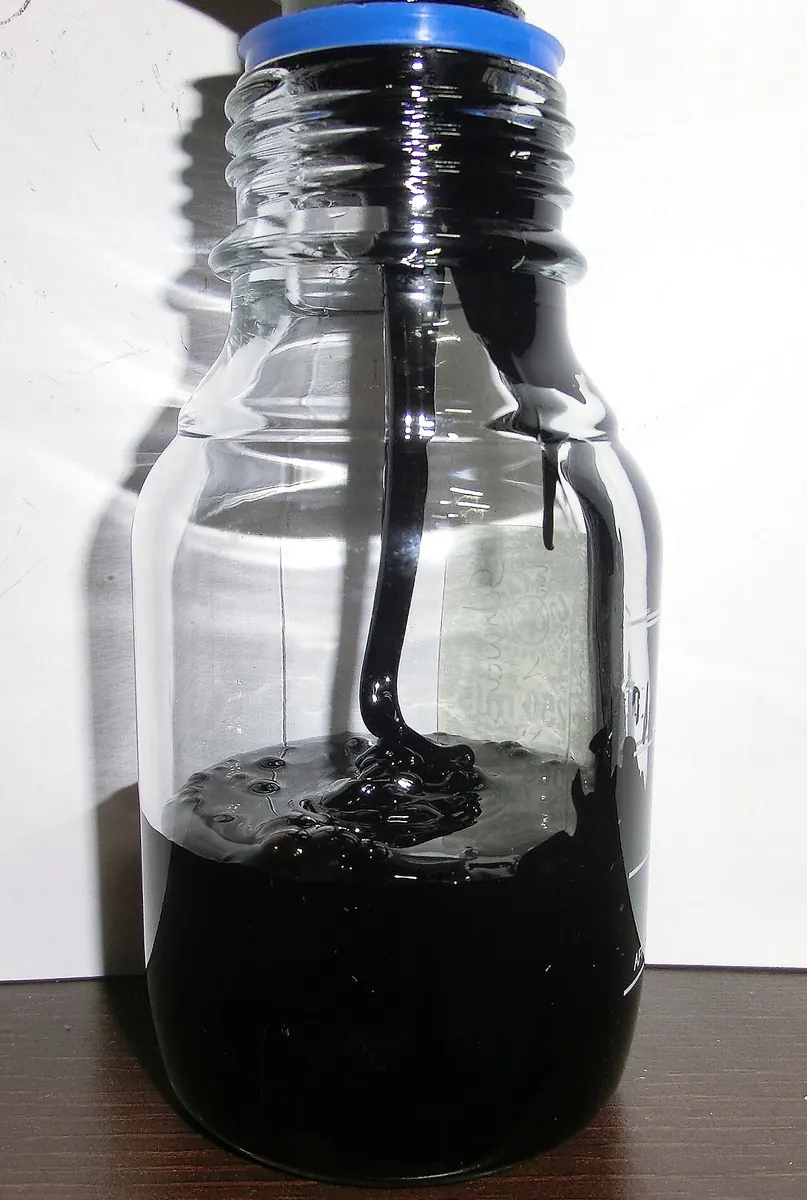
Furnace oil is the trade name for heavy fuel oil, the thick residual oil also called No. 6 or Bunker C. In Bangladesh it fires industrial boilers and furnaces and runs engine-driven power plants. It is stored warm and heated again before it can be pumped and burned, so your tanks and lines matter as much as the oil.

Section 4 of the Petroleum Act 2016 allows no one to import, transport, store or distribute petroleum except under the rules. As your furnace oil supplier in Bangladesh, Roptan sources only from sellers holding the licences for what they do, checks those licences and each lot's results, and books a licensed tanker. You deal with us alone.
Kinds of furnace oil and supply

High-viscosity grades

Residual grades named by maximum viscosity at 50 °C, such as ISO 8217 RMG 380, at most 380 cSt. Choose them for large boilers and power plant engines with heated tanks, lines and preheaters.

Lower-viscosity grades

Grades with a lower maximum viscosity, such as ISO 8217 RME 180 at most 180 cSt, usually need less heating to pump and atomise. Choose one when your burner or engine maker names it, or when tank heating at the site is limited.

Low-sulphur grades

Grades held to a lower sulphur limit, such as the 0.5 per cent cap the IMO has set for ship fuel since 2020. Choose one when your contract or buyer sets a sulphur limit.

Bulk by road or river tanker

Delivered into your licensed storage tank. Road and river tankers each need their own Department of Explosives transport licence; river delivery suits plants with a jetty.

Furnace oil in drums

For small users and standby plant. Storing petroleum in drums has its own licence, and in cool weather drummed oil can thicken and need warming before it flows.

How to specify furnace oil

Viscosity grade
The grade by maximum viscosity in cSt at 50 °C, and the ISO 8217 edition (2024 is current), so each result is read against a fixed limit.
Density, flash point, water and pour point
ISO 8217 sets limits for each: for RMG 380, density at 15 °C of at most 991 kg/m3, flash point of at least 60 °C, water of at most 0.5 per cent by volume and pour point of at most 30 °C.
Tests on the certificate
Ask for each lot's results with the method: viscosity to ISO 3104, density to ISO 3675 or ISO 12185, flash point to ISO 2719, water to ISO 3733, sulphur to ISO 8754, pour point to ISO 3016, ash to ISO 6245.
Heating at your site
What heating your tank, lines and unloading point have, and the temperature you can hold. Heavy grades will not pump from a cold tank.
Sulphur limit
The maximum sulphur content, in per cent by mass, that your contract or burner requires, with the result reported for each lot.
Quantity and pack
Litres or tonnes per load and per month, by road tanker, river tanker or drums, and the free space in your tank.
Route and unloading
Road or river access to your plant, the unloading point and pump, and who provides hoses during discharge.
Your storage licence
Storage at an installation or in drums is licensed by the Department of Explosives. Have the licence and its approved quantity ready before the first load.

Law, specifications and papers for furnace oil

Petroleum Act 2016, section 4
Import, transport, storage and distribution only under the rules. Section 11 makes the Chief Inspector of Explosives the licensing authority; breach can bring prison, a fine and confiscation.
Department of Explosives licences
Separate licences cover import and storage at an installation, storage in drums, and transport by road or river tanker.
ISO 8217
The marine fuel specification whose residual grades are often used to name furnace oil. The 2024 edition is current, and its scope also covers stationary diesel engines of marine type. Ask for results against every limit of the grade you order.
Safety data sheet
A safety data sheet to GHS for the grade supplied, covering handling of hot oil, storage, spills and fire.

What moves the price of furnace oil

  • World fuel oil prices and freight, since Bangladesh imports much of the furnace oil it uses.
  • Sulphur: taking more sulphur out at the refinery adds energy and capital cost, so lower-sulphur grades usually cost more.
  • Viscosity: heavier, more viscous grades usually cost less than lighter ones, which is why plants with heated tanks burn them.
  • Route: the delivery leg by licensed road or river tanker is priced into the quote, so give the distance and the unloading point.

Lead times and delivery

No standard figure applies. Dates depend on the seller's stock and import arrivals, on the route, road or river, and on whether your storage licence, free tank space and heating are ready before the first load. Roptan confirms the dates and any minimum order in the quote.

Inside Bangladesh, furnace oil travels by licensed road tanker or, to plants on a river, by licensed river tanker, and goes only into a tank whose licence covers the product and quantity. Quantity is measured at loading and again before discharge. You receive the delivery note, the seller's test results for the lot, the safety data sheet and a VAT invoice (Mushak 6.3).

What we check for this order

  • Seller's licencesImport or storage and transport licences covering furnace oil, with class and number checked against the Department of Explosives list of cancelled licences.
  • Grade results per lotViscosity at 50 °C, sulphur and your other limits, reported for the lot being loaded, not a typical sheet.
  • Licensed tankerThe road or river tanker holds its own transport licence, is free of the previous cargo and is sealed after loading.
  • Your site readyYour storage licence, free tank space and tank heating confirmed before we book the load.

Questions buyers ask

Who may sell furnace oil in Bangladesh?

Only those acting under the Petroleum Act 2016 and its rules: section 4 forbids importing, transporting, storing or distributing petroleum except under the rules, and the Chief Inspector of Explosives issues the licences. Roptan sources only from sellers holding current licences for the oil they sell.

Why does furnace oil need heating?

It is too thick to pump or burn when cool and can set into a tarry semi-solid. Heavy fuel oil is usually stored at about 38 °C, heated to roughly 65 to 120 °C to pump, and preheated further before the burner.

Do I need a licence to store furnace oil?

Usually yes, for a plant's working stock. The Petroleum Act 2016 frees only transport or storage of Class II or III petroleum up to 2,000 litres, in containers of 1,000 litres or less (section 6), and does not apply at all to oil with a flash point of 95 °C or above (section 10). Residual grades to ISO 8217 have a flash point of at least 60 °C, so they fall inside the Act; ask the Department of Explosives which class yours is in. Breach can bring prison, a fine and confiscation.

What sulphur limit should I ask for?

The one your contract, buyer or burner maker sets. The IMO 0.5 per cent cap since 2020 applies to ship fuel outside emission control areas, not to land use. For a boiler or engine, write the limit into the order and ask for each lot's result.

How soon will I hear back about petroleum products and LPG?

Within 48 hours of a complete requirement, with a price and a delivery date. A requirement is complete when it has the quantity, where it is needed and by when.

Who do I deal with?

With Roptan, when Roptan manages the order: we buy from the verified seller and deliver to you. With the supplier directly, when you post on the requirement board and choose a quote yourself.

Other petroleum product products

Each product type has its own page as it is published; until then its card opens the category form.

All petroleum products and LPG